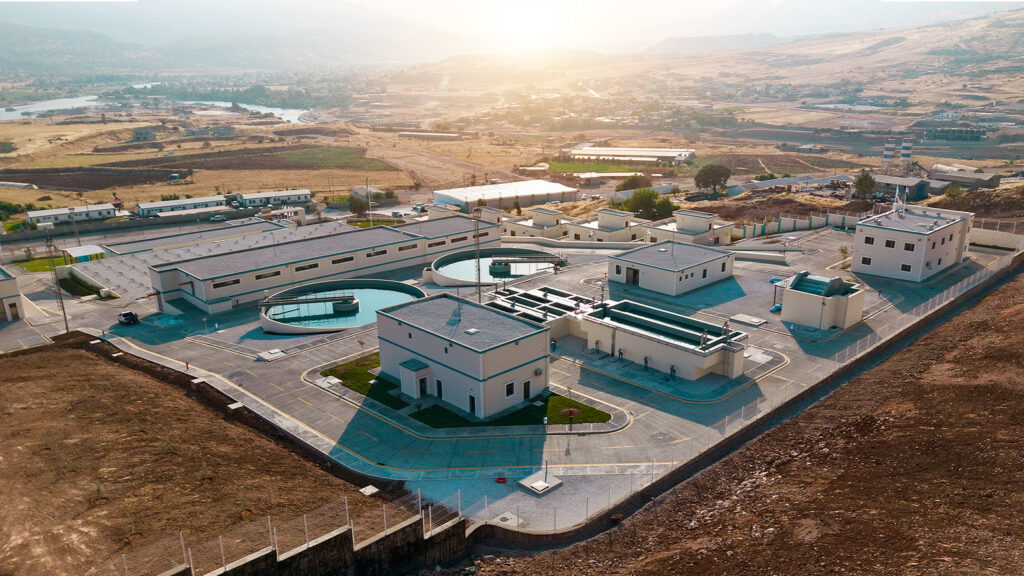


Kurdish literature continues to gain new visibility through the work of writers, poets, translators, and cultural figures who are preserving the stories, memories, and mythology of the Kurdistan Region while bringing them to wider international audiences.
Recent literary developments, including the English-language publication of Kurdish novels and renewed attention to oral history, reflect the growing importance of books and storytelling as part of the Kurdistan Region’s cultural identity. From mythology rooted in the Zagros Mountains to memories of village life in Hawraman and Biyara, Kurdish writers and cultural figures are using literature to connect the past with the present.
Bringing Kurdish Mythology to International Readers
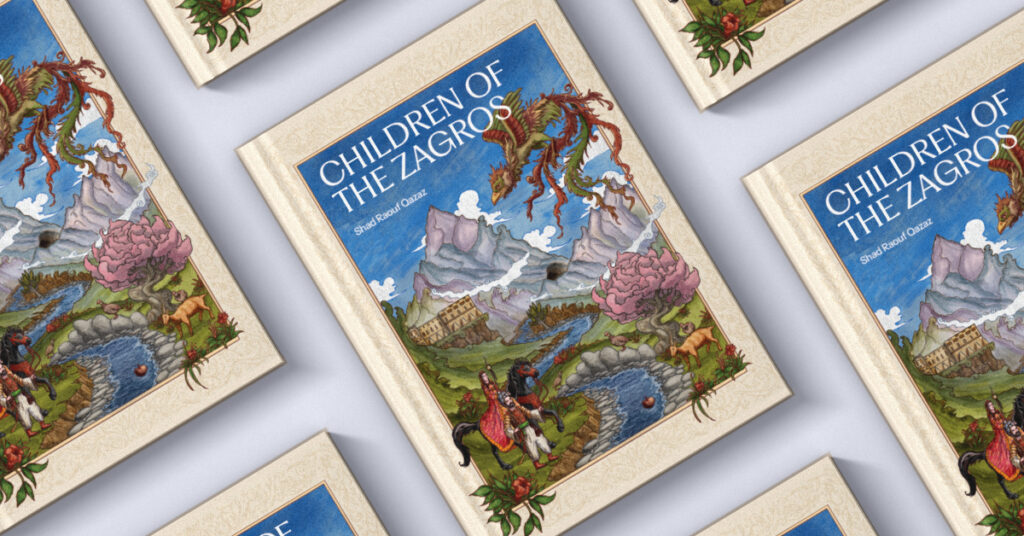
Kurdish novelist Shad Raouf Qazaz recently announced the English-language edition of his novel, Children of the Zagros. Originally from Ranya and now based in the Netherlands, Qazaz first wrote and published the novel in Dutch before making it available to English-speaking readers.
The novel draws heavily on Kurdish mythology, folklore, and legends from the Zagros region. Through figures such as the Simurgh, Shamaran, and Zahak, Children of the Zagros introduces international readers to a world shaped by ancient stories, political intrigue, mythical creatures, and cultural memory.
At the center of the story is Princess Runak, a Kurdish princess unexpectedly named heir to the throne over her three older brothers. Her disappearance behind palace doors begins a larger journey through conspiracy, hidden histories, and questions of power and responsibility.
For Kurdish readers, the novel carries deeper cultural meaning through scenes and symbols rooted in regional folklore. For international readers, it offers an accessible fantasy epic that opens a door to Kurdish storytelling traditions and the cultural imagination of the Zagros.
Kurdish Novels in Translation
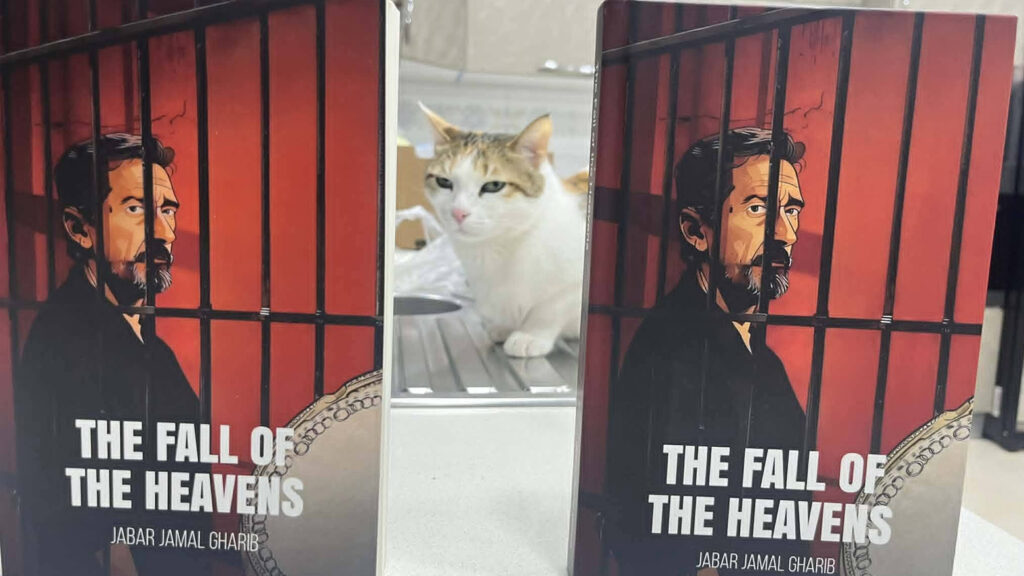
The growing availability of Kurdish novels in English is also reflected in the publication of The Fall of the Heavens by Kurdish author Jabar Jamal Gharib. The novel, already recognized in Kurdish and regional literary circles, was released in English and made available to international readers through Amazon.
The Fall of the Heavens is set against the backdrop of the Iran-Iraq War and follows five interconnected lives shaped by conflict, social pressure, forbidden love, religious extremism, and the legacy of the former Iraqi regime. Through a mix of realism, mysticism, and Kurdish literary style, the novel presents a difficult but important portrait of trauma, survival, and society.
The English publication of Kurdish novels marks an important step for cultural representation. Translation allows Kurdish stories to move beyond regional boundaries, reaching readers who may be unfamiliar with the history, experiences, and literary traditions of the Kurdish people.
Oral Tradition and the Role of Memory
Kurdish literary culture is not limited to published books. Oral history, poetry, and spoken memory remain central to the preservation of Kurdish identity.
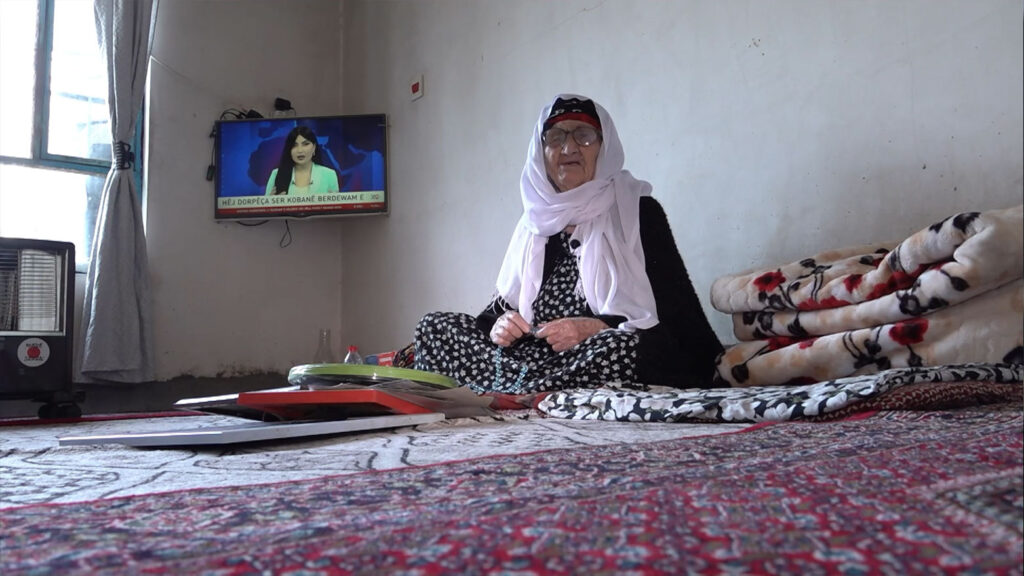
Daye Altun, an elderly Kurdish woman from Hawraman who later settled in Biyara, has helped preserve memories of rural and spiritual life through poetry and oral storytelling. Her recollections offer a living record of village traditions, women’s labor, communal hospitality, and the role of Sufi Khanqahs in daily life.
Through her poetry, Daye Altun preserves not only personal memories, but also the emotional and cultural texture of an earlier way of life. Her stories reflect the importance of women in sustaining Kurdish social traditions, from domestic and agricultural work to hospitality, religious service, and cultural transmission.
This oral tradition remains one of the foundations of Kurdish literature. Long before stories are printed in books, they are carried through memory, poetry, song, and family history.
Honoring Kurdish Intellectual Contributions
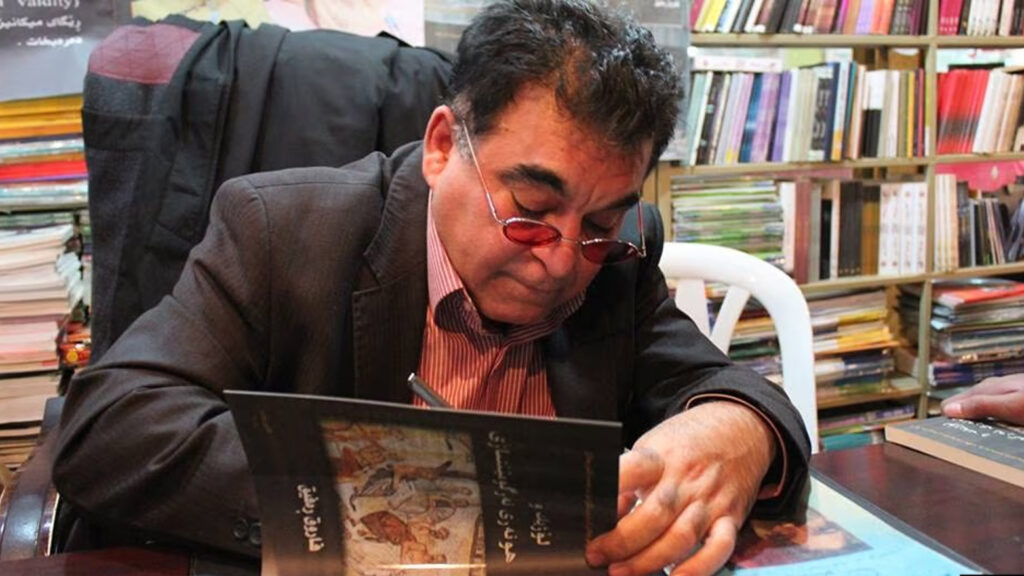
The passing of Kurdish writer and intellectual Faruq Rafiq in Erbil also marked a significant loss for the Kurdistan Region’s literary and intellectual community. Born in Sulaimani in 1961, Rafiq was known for his work on philosophy, liberalism, political theory, and civic thought.
Throughout his career, he authored several works that contributed to intellectual life in the Kurdistan Region, including writings on reason, love, philosophy, and political thought. He also served as editor-in-chief of Awaz magazine, which focused on philosophy and science.
Rafiq’s legacy reflects the wider role of Kurdish writers and thinkers in shaping public discourse, preserving intellectual life, and contributing to the Region’s cultural development.
Literature as Cultural Preservation
Together, these stories show the importance of literature in preserving and sharing Kurdish identity. Kurdish books, translations, poetry, and oral histories carry more than individual narratives. They preserve collective memory, regional mythology, social experience, and the voices of communities shaped by resilience.
As Kurdish authors reach new audiences through English-language publication and international distribution, the Kurdistan Region’s literary culture continues to expand beyond geographic and linguistic borders. At the same time, oral traditions and local memory remain essential to protecting the roots of Kurdish storytelling.
Through novels, poetry, philosophy, and personal testimony, Kurdish literature continues to serve as both a cultural archive and a bridge to the world.