
Despite ongoing security challenges, the Kurdistan Region continues to advance efforts to ensure growth remains sustainable. From environmental protection campaigns at key tourist sites to large-scale green infrastructure projects in Erbil, the Region is steadily integrating sustainability into its broader development approach.
At the same time, long-term initiatives such as the Green Belt Project and energy reforms under the Runaki program are working to improve air quality, expand green space, and reduce emissions, positioning the Kurdistan Region as a proactive leader in environmental resilience.
Expanding Green Infrastructure in Urban Spaces
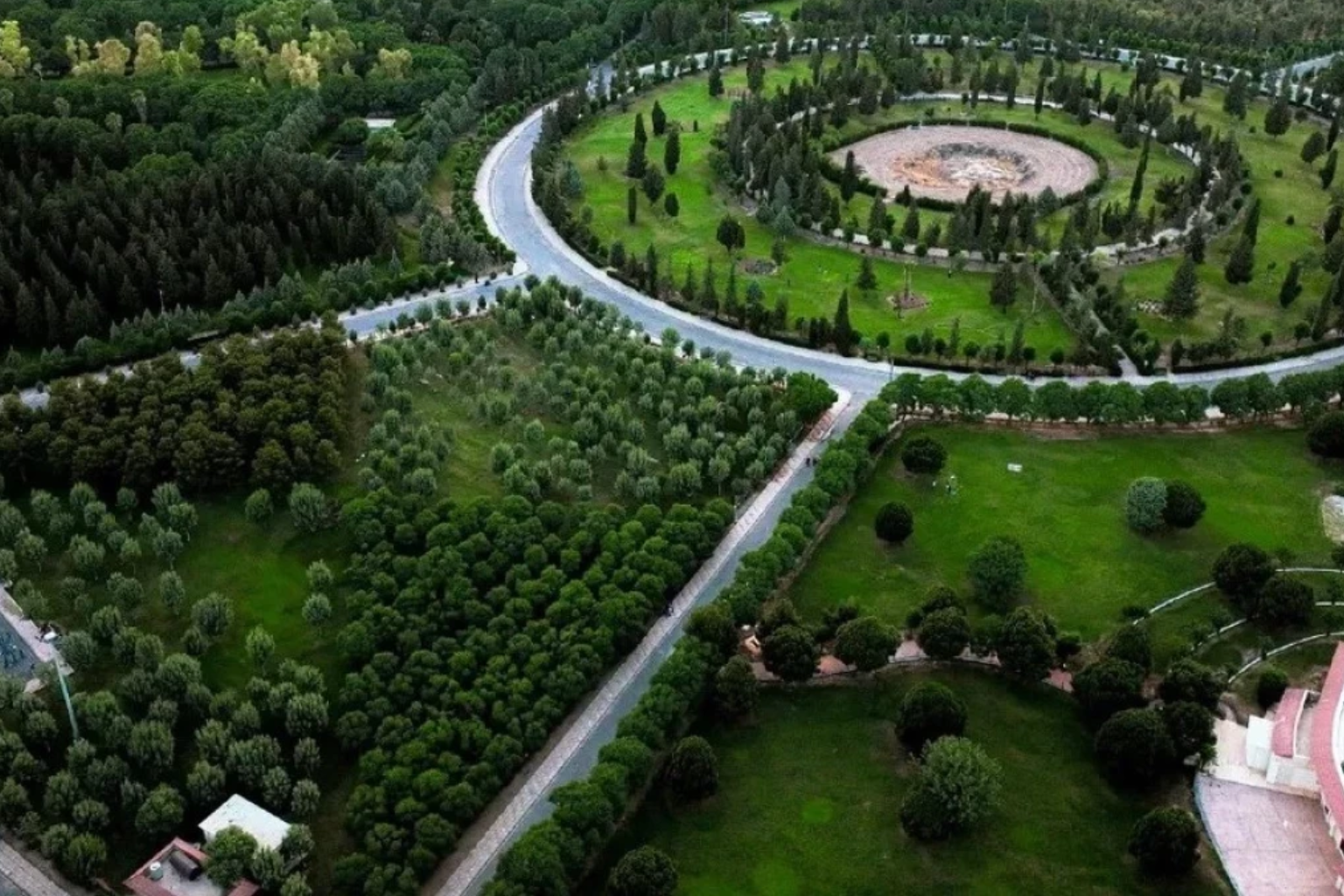
Sustainability efforts are also taking visible shape through major urban development projects in Erbil. Among the most prominent is Rashkeen Park, a large-scale green space currently under construction at a cost of 15 billion Iraqi dinars. Spanning approximately 120,000 square meters, the project will feature walking and cycling paths, water infrastructure, and extensive landscaping, including thousands of trees and tens of thousands of flowers.
More than a recreational space, Rashkeen Park reflects a broader push to expand green coverage and improve urban livability. As cities continue to grow, investments in green infrastructure play a key role in reducing heat, improving air quality, and creating healthier environments for residents.
A Broader Climate Strategy Taking Shape
Beyond individual projects, the Kurdistan Region is advancing a wider, integrated approach to environmental resilience. The Erbil Green Belt Project stands at the center of this effort, with 700,000 saplings already planted as part of a long-term plan to reach 7 million trees by 2050. Once completed, the project is expected to reduce emissions, improve air quality, and serve as a natural barrier against desertification and dust storms.
These visible efforts are complemented by ongoing energy reforms. Through the Runaki Project, the Kurdistan Regional Government is reducing reliance on private diesel generators—one of the largest sources of urban pollution. More than 2,500 generators have already been phased out, improving electricity access for over 2.7 million residents, with projected annual emissions reductions of up to 600,000 tons of carbon dioxide.
Together, these initiatives are helping to expand green space, improve air quality, and reduce emissions across the Region.
Sustainability as a Foundation for the Future
Taken together, these efforts reflect a broader transformation in how the Kurdistan Region approaches development. Sustainability is increasingly embedded in infrastructure, energy policy, and urban planning, ensuring that growth is both resilient and forward-looking.
At a time when environmental pressures are intensifying across the region, these initiatives position the Kurdistan Region as a proactive actor in environmental resilience—working to balance economic development with long-term sustainability.