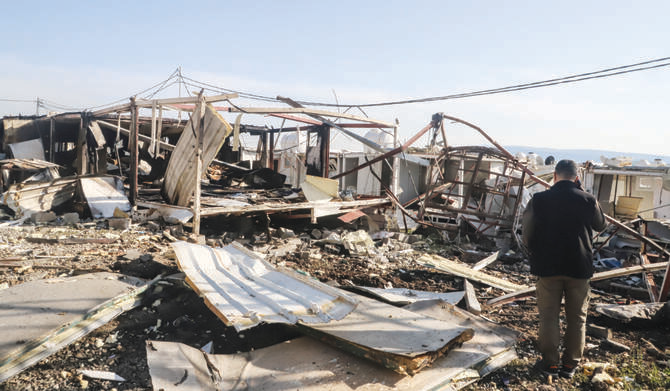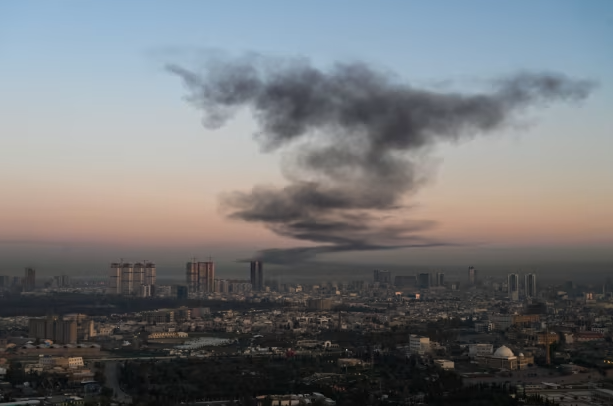

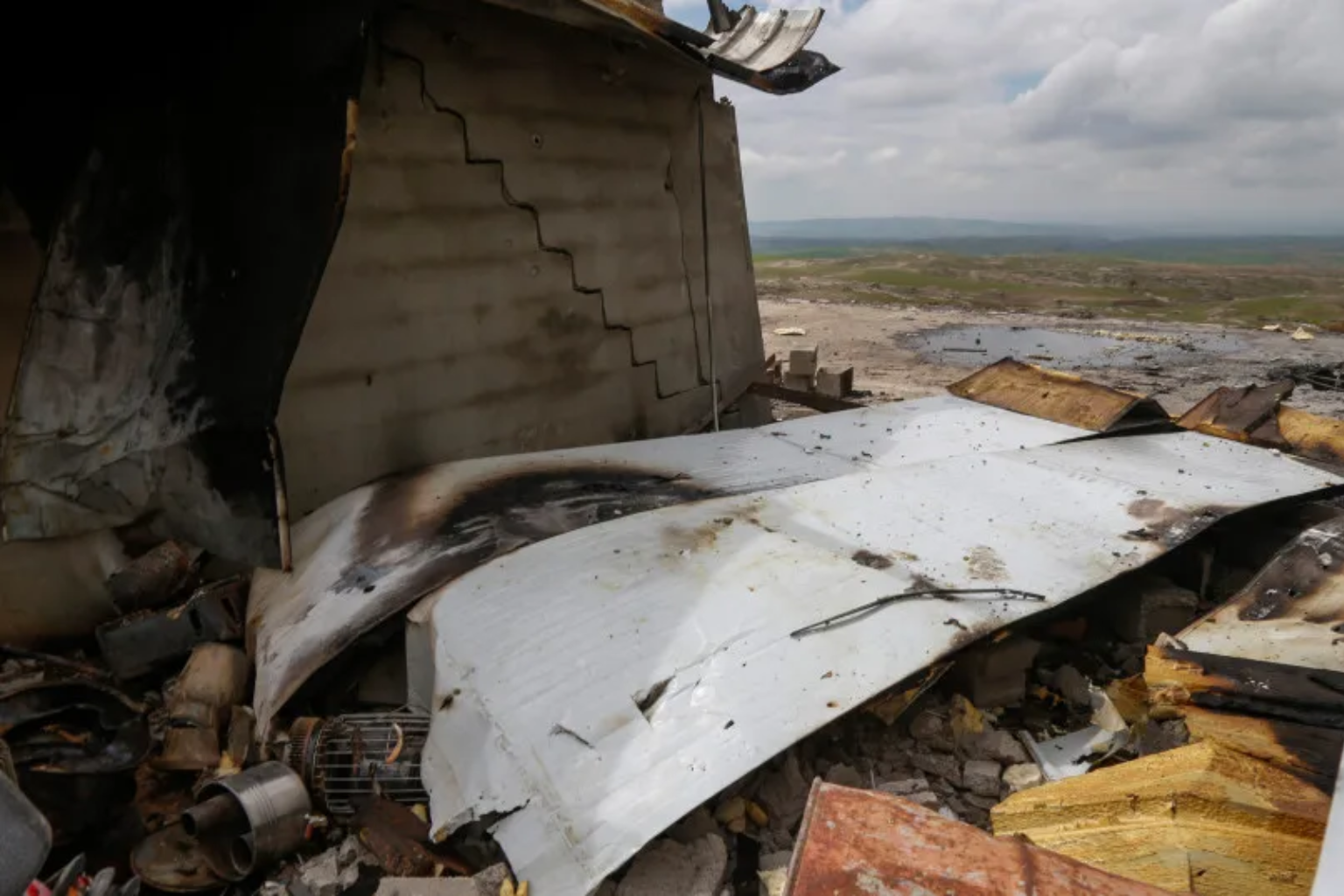
Despite the ceasefire, the Kurdistan Region of Iraq continues to face sustained drone and missile attacks. Since February 28, the Kurdistan Region has been attacked more than 800 times by drones and missiles, despite not being a party to the conflict. According to KRG data, these attacks have left 20 people dead and 123 wounded, while causing widespread damage to civilian infrastructure, including homes, businesses, and critical services.
A Region Under Persistent Threat
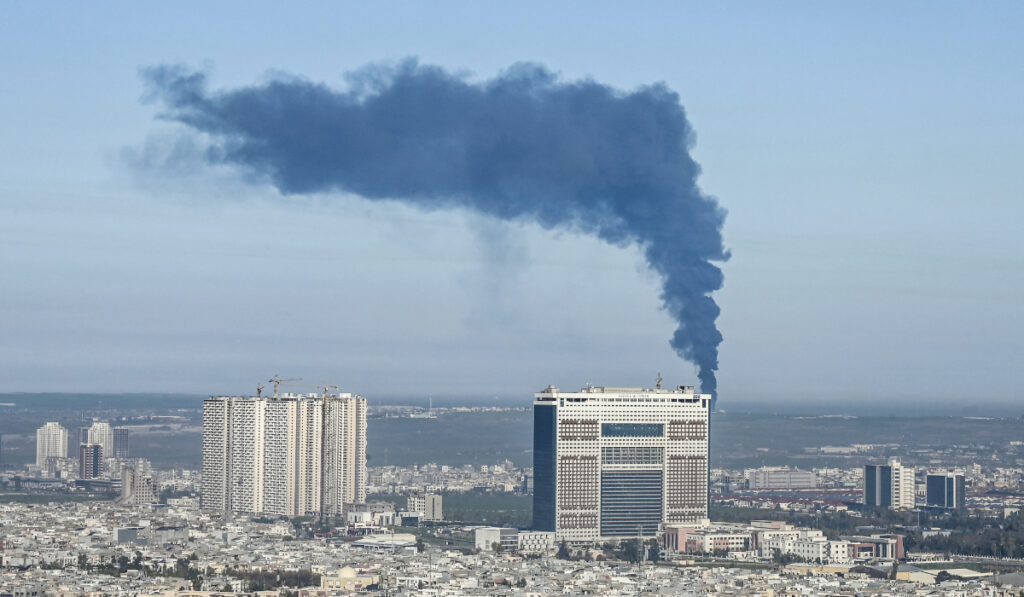
These attacks are not isolated incidents, but part of a sustained pattern targeting civilian areas, economic infrastructure, and strategic sites across the Region. The geographic scope of the attacks underscores their scale. Erbil has borne a significant share of the damage, while Sulaimani, Duhok, and Soran have also experienced repeated strikes affecting both residential areas and private-sector activity.
Despite not engaging in the conflict, the Kurdistan Region has faced a disproportionate level of attacks compared to other non-combatant areas. The result is a persistent environment of insecurity that continues to shape daily life for residents.
The Human Cost Behind the Numbers
Behind the figures are communities struggling to recover. Families are repairing damaged homes, business owners are attempting to reopen, and workers are navigating repeated interruptions to their livelihoods.
The impact is cumulative. Repeated attacks prevent meaningful recovery and instead create cycles of disruption:
- Families face ongoing financial loss and instability
- Businesses struggle to operate under uncertain conditions
- Public services are strained by damage and reduced resources
This is not a one-time crisis, but an ongoing reality that affects how people live, work, and plan for the future.
Infrastructure and Economic Stability Under Strain
The continued targeting of critical infrastructure has compounded the crisis. Energy facilities, industrial sites, and economic assets have all been affected, disrupting production and limiting the Region’s ability to sustain economic activity.
At the same time, broader economic pressures are intensifying. With Kurdish oil exports largely offline and infrastructure under threat, the Region faces increasing constraints on revenue generation and public spending. This has direct consequences for civilians, including pressure on salaries, services, and overall economic opportunity.
Security and economic challenges are deeply interconnected. Without stability, infrastructure cannot function effectively. Without economic flow, recovery becomes increasingly difficult.
Accountability and the Need for Protection
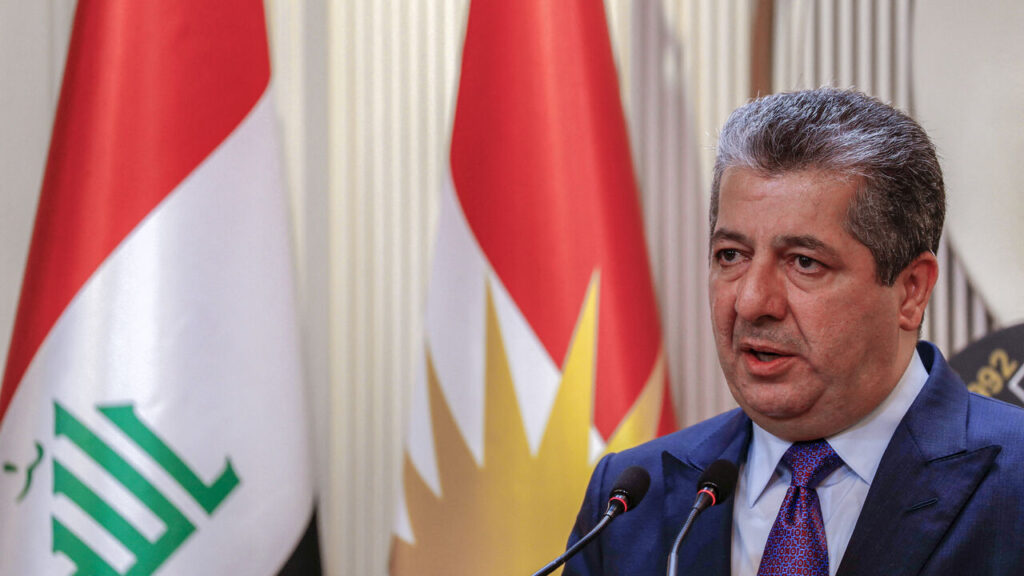
As attacks continue despite the ceasefire, the Kurdistan Regional Government has called on Baghdad to ensure accountability for US-sanctioned terrorist groups responsible for these strikes. Preventing further attacks and protecting civilian areas remains essential to restoring stability.
Safeguarding infrastructure and ensuring a secure environment for both residents and businesses is not only a regional priority, but a necessary step toward broader economic and political stability in Iraq.