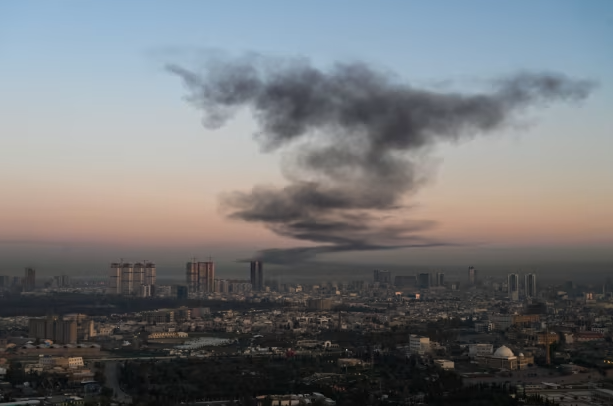

Amid heightened tensions during the U.S.–Iranian conflict, the Kurdistan Regional Government (KRG) Representation in Washington maintained steady engagement with U.S. officials to ensure that the implications for the Kurdistan Region remained clearly understood. These efforts focused on reinforcing the Region’s role as a stable and reliable partner, while emphasizing the urgent need to safeguard its security and economic resilience during a volatile period.
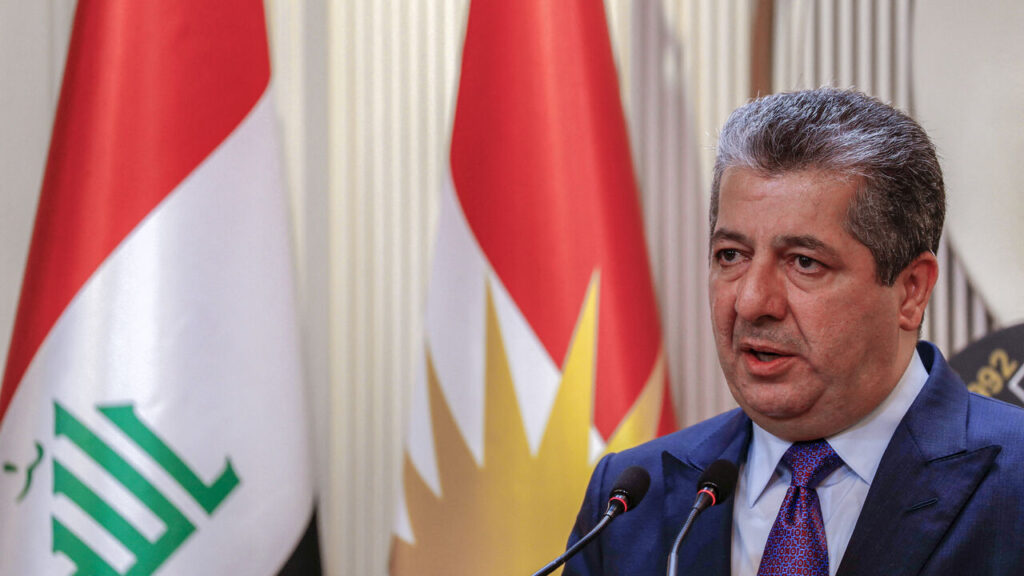
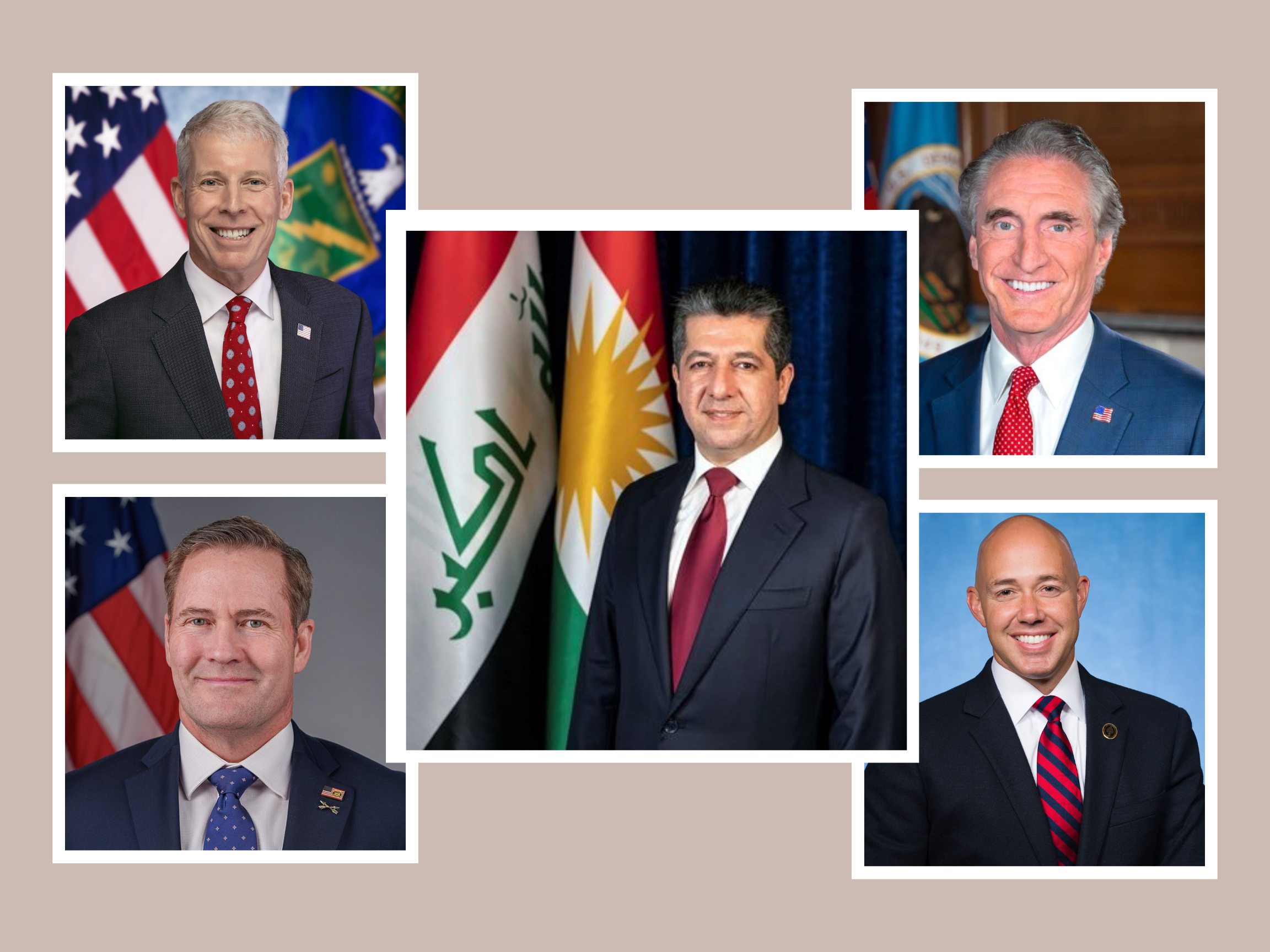
Prime Minister Masrour Barzani held a series of high-level calls with senior U.S. cabinet officials, including Secretary Marco Rubio, Secretary Chris Wright, and Secretary Doug Burgum. He also engaged with congressional leaders including House Foreign Affairs Chairman, Brian Mast and U.S. Ambassador to the United Nations, H.E. Michael Waltz. These discussions centered on urgent air defense requirements, the continuity of oil exports, and the protection of critical infrastructure in the Kurdistan Region.
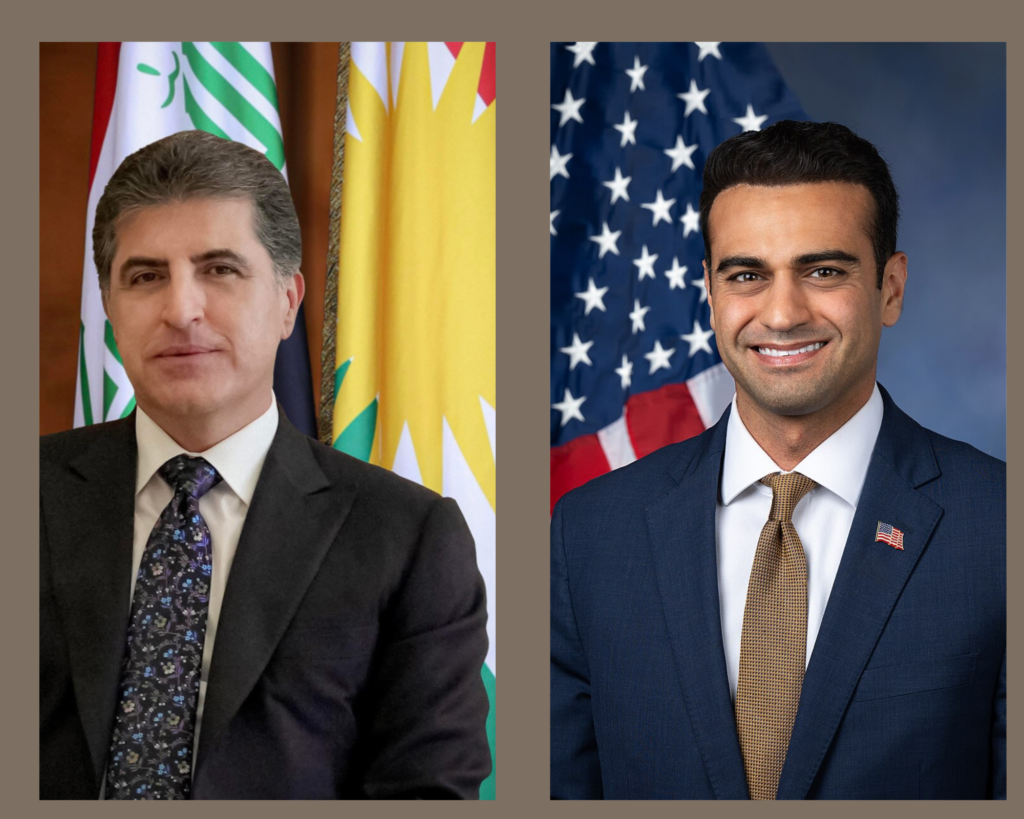
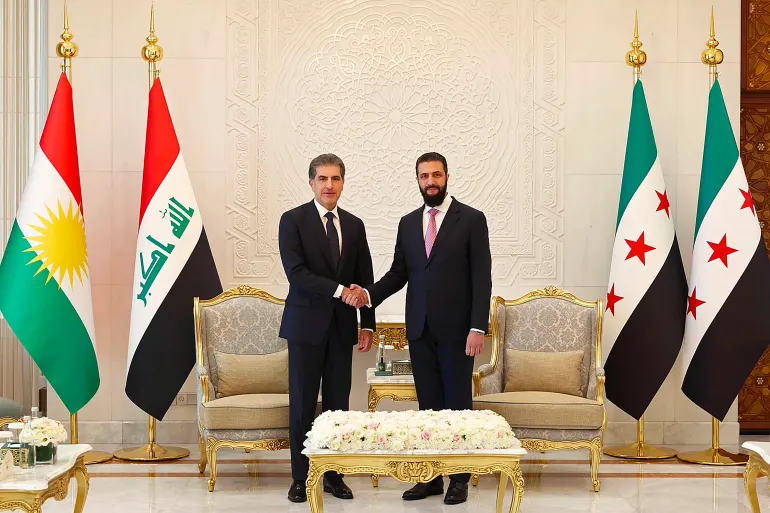
The President of the Kurdistan Region, H.E. Nechirvan Barzani also held a call with Congressman Abraham Hamadeh to discuss the regional situation.
The conversations addressed broader regional energy security, underscoring the Kurdistan Region’s strategic importance as a dependable energy partner. Kurdish leadership highlighted the need for coordinated efforts to ensure uninterrupted energy flows, strengthen infrastructure resilience, and mitigate risks posed by regional instability.
These engagements reflect the Kurdistan Region’s proactive diplomacy and its continued commitment to close coordination with the United States in advancing shared security and economic priorities.
Energy Exports and Strategic Coordination
In his conversation with Secretary Chris Wright, Prime Minister Masrour Barzani underscored the Kurdistan Regional Government’s strong and dependable partnership with the United States, particularly in advancing shared energy security objectives during a period of heightened regional uncertainty.
Against the backdrop of disruptions linked to the closure of the Strait of Hormuz, the KRG’s decision to facilitate the export of federal Iraqi oil through its pipeline to the Turkish port of Port of Ceyhan reflects a proactive and strategic contribution to maintaining global energy flows. By enabling northern export routes, the Kurdistan Region demonstrated its capacity to act as a reliable energy corridor, helping to mitigate supply risks and ease economic pressure on Iraq.
This coordination highlights the KRG’s role as a constructive and solutions-oriented partner, reinforcing its alignment with U.S. priorities on energy stability, regional resilience, and the uninterrupted movement of critical resources to international markets.
Protecting Infrastructure and Meeting Security Needs
In parallel discussions with Secretary Burgum and Secretary Rubio, Prime Minister Barzani underscored the urgent need to protect energy infrastructure and address ongoing security threats, including the need for enhanced air-defense capabilities.
Recent attacks targeting oil and gas fields have disrupted production and raised concerns about the safety of critical infrastructure and international operators. These threats not only impact the Kurdistan Region, but also have broader implications for Iraq’s economic stability and global energy supply.
PM Barzani emphasized that safeguarding infrastructure and ensuring a secure operating environment for international companies are essential to maintaining production, restoring investor confidence, and preventing further economic disruption.
Without secure infrastructure and full access to export channels, economic pressure continues to build, affecting public services, private sector activity, and long-term growth. In this context, energy policy is not simply an economic issue, but a central pillar of stability for both the Kurdistan Region and Iraq.