
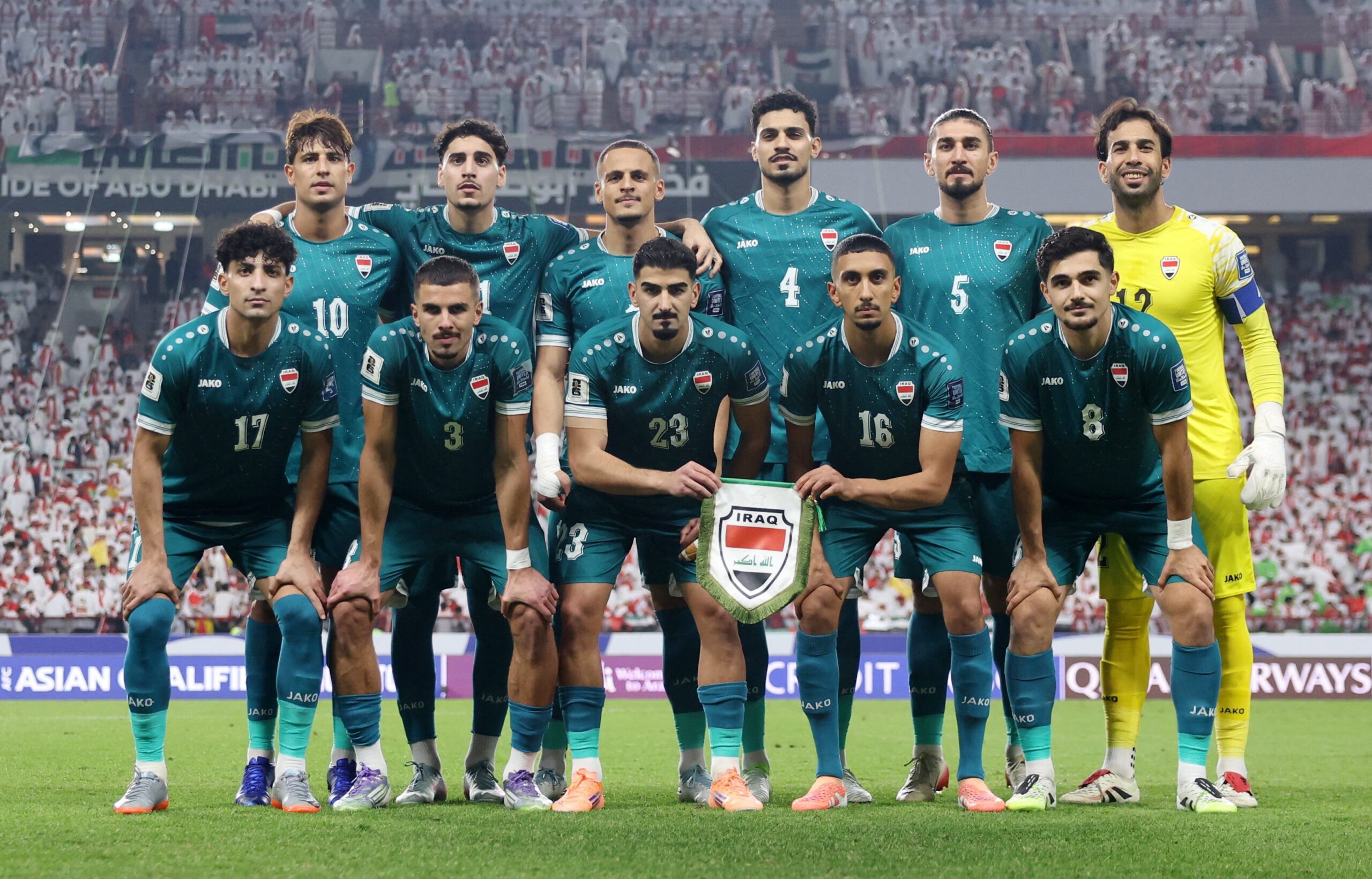
Forty years after its first appearance on football’s biggest stage, Iraq is returning to the FIFA World Cup.
The Lions of Mesopotamia have qualified for the 2026 FIFA World Cup in the United States, Canada, and Mexico, marking Iraq’s second appearance in the tournament and its first since Mexico 1986. For millions of Iraqis and members of the Iraqi, Kurdish, and Kurdistani diaspora around the world, the moment is more than a sporting milestone. It is a symbol of resilience, pride, and the power of football to unite communities across borders.
Iraq’s road back to the World Cup was long and dramatic. After a demanding qualification campaign across Asia, Iraq secured its place through the FIFA Play-Off Tournament in Monterrey, Mexico, defeating Bolivia 2–1 in the final. The victory sealed a historic return to the global stage and sparked celebrations among Iraqis at home and abroad.
Under head coach Graham Arnold, Iraq will compete in Group I against Norway, France, and Senegal. The team will open its campaign against Norway on June 16 at Boston Stadium, before facing France on June 22 in Philadelphia and Senegal on June 26 in Toronto.
The 2026 tournament gives Iraq a chance to write a new chapter in its football history. In 1986, Iraq exited in the group stage after matches against Paraguay, Belgium, and Mexico. Ahmed Radhi scored Iraq’s only World Cup goal to date, a moment that remains one of the most remembered achievements in Iraqi football. Four decades later, a new generation now has the opportunity to build on that legacy.
Among the players selected to represent Iraq at the 2026 FIFA World Cup are Kurdish and Kurdistani footballers whose journeys reflect the international reach of today’s game: Merchas Doski, Akam Hashim, Youssef Amyn, Marko Farji, Rebin Sulaka, and Aimar Sher.
Doski, Hashim, Amyn, and Farji are Kurdish players, while Sulaka and Sher are Assyrian/Chaldean players from the Kurdistan Region. Together, their stories span Erbil, Ankawa, Shaqlawa, Darbandikhan, Sulaymaniyah, Germany, Norway, Sweden, and professional leagues across Europe and Asia.
Merchas Doski
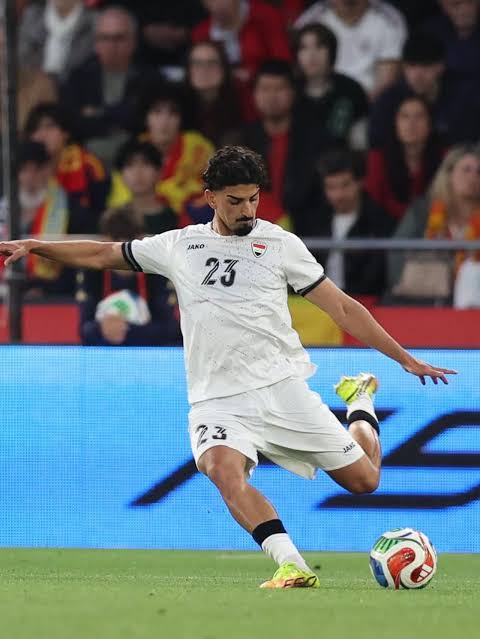
Merchas Doski, a left-back for Viktoria Plzeň, was born in Hanover, Germany, to Iraqi Kurdish parents. Known for his energy, discipline, and attacking support from the back line, Doski will bring European club experience to Iraq’s World Cup campaign.
His career has taken him from the lower divisions of German football to Austria and the Czech Republic, where he continued to develop into a regular professional player. After standout performances with Iraq’s U-23 team, he earned a place in the senior national team and has since represented Iraq in major competitions, including the AFC Asian Cup and World Cup qualifying.
Doski’s selection for Iraq’s 2026 FIFA World Cup squad highlights the role of diaspora players in strengthening modern national teams and creating new connections between communities across Europe, Iraq, and the Kurdistan Region
Akam Hashim
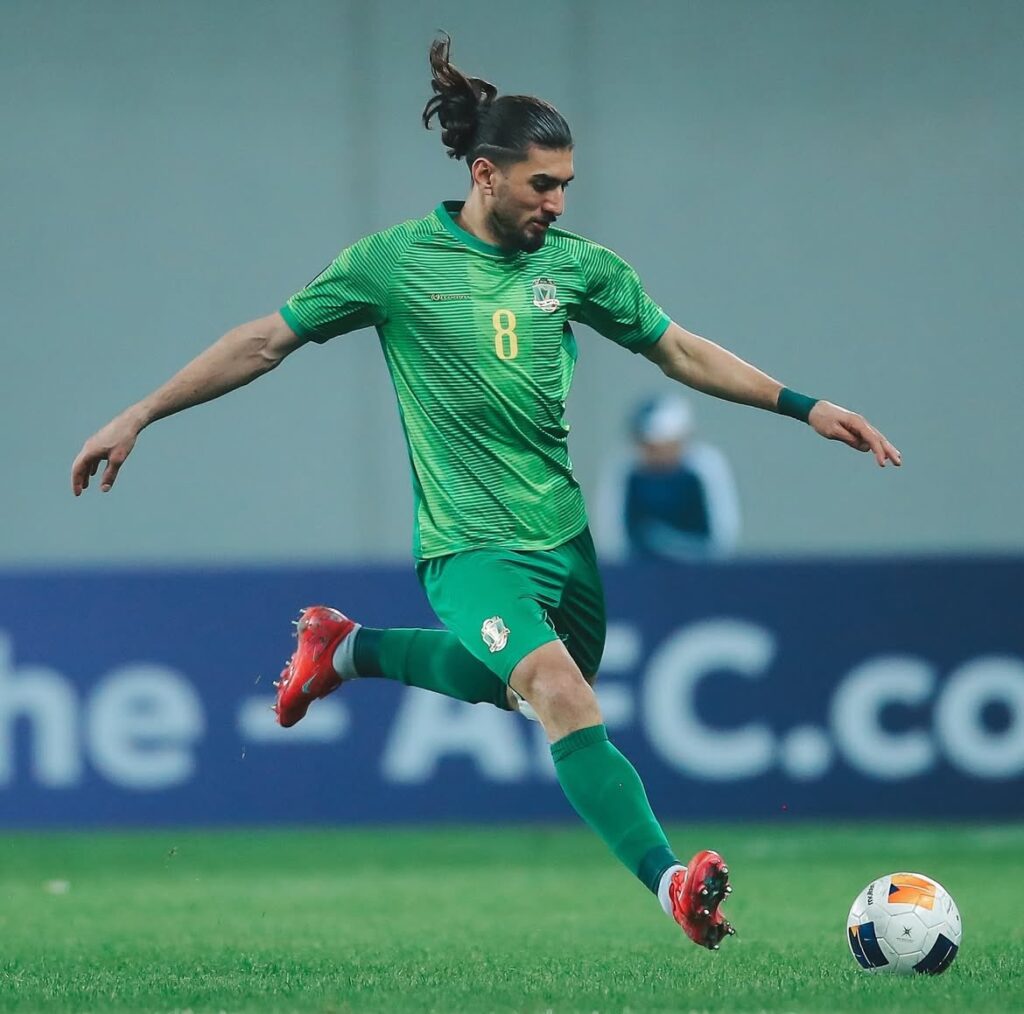
Akam Hashim, born in Erbil, represents the Kurdistan Region’s direct contribution to Iraq’s World Cup squad. A defender who can also play in midfield, Hashim developed through Erbil SC before continuing his professional career with major Iraqi clubs, including Al-Zawraa.
Hashim made his senior international debut for Iraq in a World Cup qualifier against Vietnam in June 2024. His rise from Erbil’s football system to Iraq’s World Cup squad reflects the talent being developed inside the Kurdistan Region and the growing presence of players from the Region in Iraqi football.
As Iraq prepares for its first World Cup in four decades, Hashim stands as an important representative of Erbil and the Kurdistan Region on the international stage.
Youssef Amyn
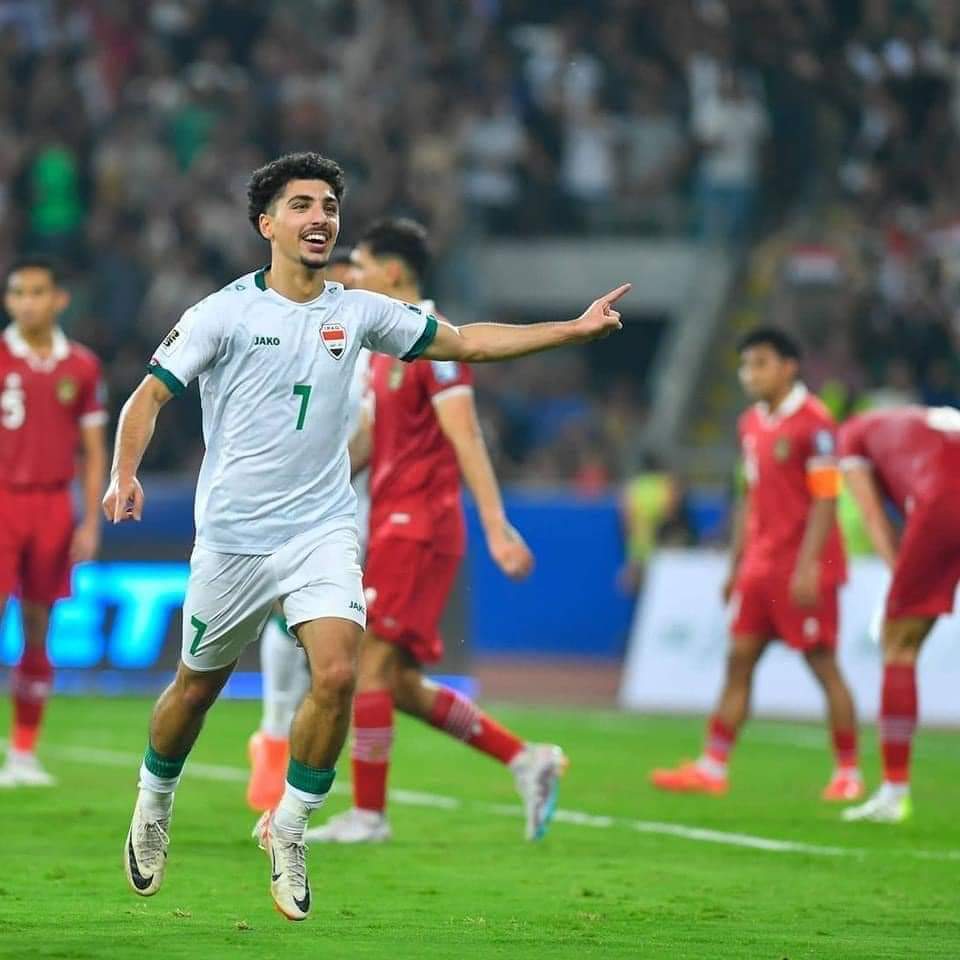
Youssef Amyn, a winger for AEK Larnaca, was born in Germany to Kurdish parents from Darbandikhan in the Kurdistan Region. A technically gifted attacking player, Amyn came through youth systems in Germany, including Borussia Dortmund, before beginning his senior club career in Europe and later representing Iraq internationally.
Amyn previously represented Germany at youth level before switching to Iraq, where he quickly became one of the country’s most exciting young attacking talents. He made his senior debut for Iraq in 2023 and scored in a World Cup qualifier against Indonesia.
At just 22, Amyn will arrive at the World Cup as part of a new generation of players raised in the diaspora who are bringing international experience, creativity, and ambition to Iraq’s return to the global stage.
Marko Farji
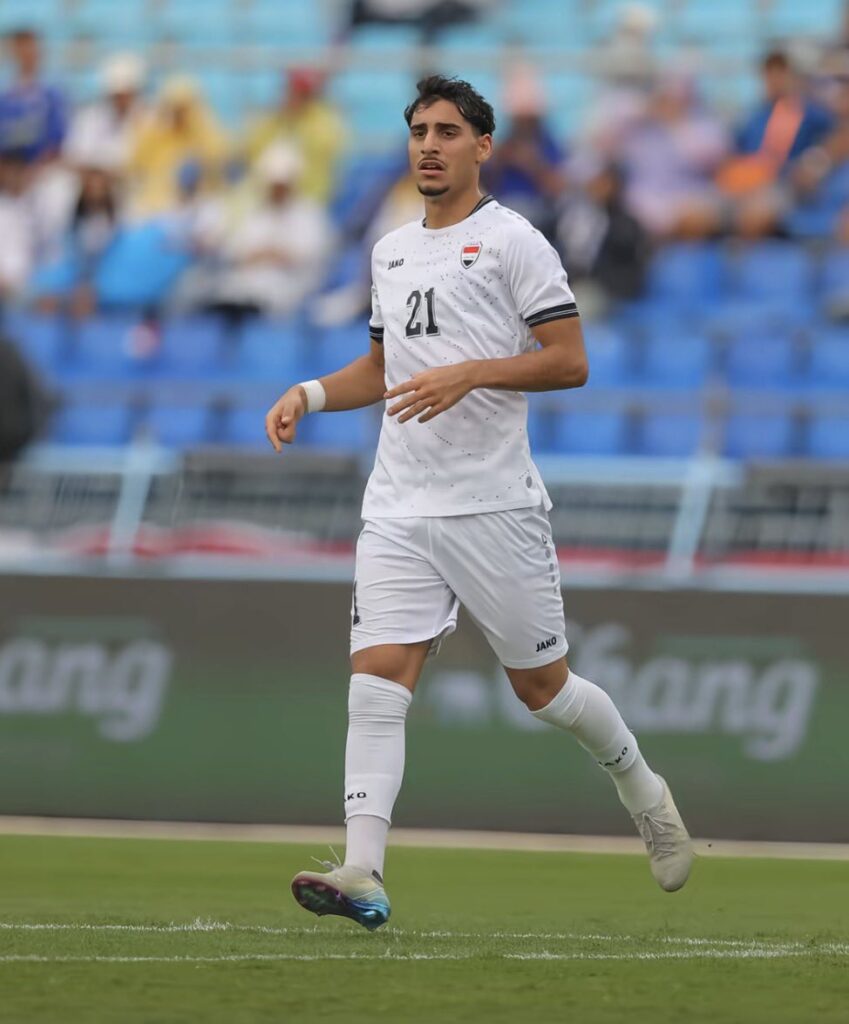
Marko Farji, a forward for Venezia, was born in Grimstad, Norway, to Kurdish parents from Sulaymaniyah. His career began in Norwegian football, where he developed through Jerv and Strømsgodset before earning a move to Italy.
Farji has represented Iraq at the U-23 and senior levels. His pace, height, and attacking instincts make him one of the young players to watch as Iraq prepares for the World Cup. After growing up in Norway and building his club career in Europe, Farji’s path reflects the international nature of Iraq’s 2026 squad and the growing role of diaspora athletes in the national team.
Following Iraq’s qualification, Farji described the moment as deeply emotional, noting that while he was born and raised in Norway, his family is from Iraq. His story captures part of the broader meaning of Iraq’s 2026 World Cup return: a team shaped by players from across Iraq, the Kurdistan Region, and the diaspora.
Rebin Sulaka
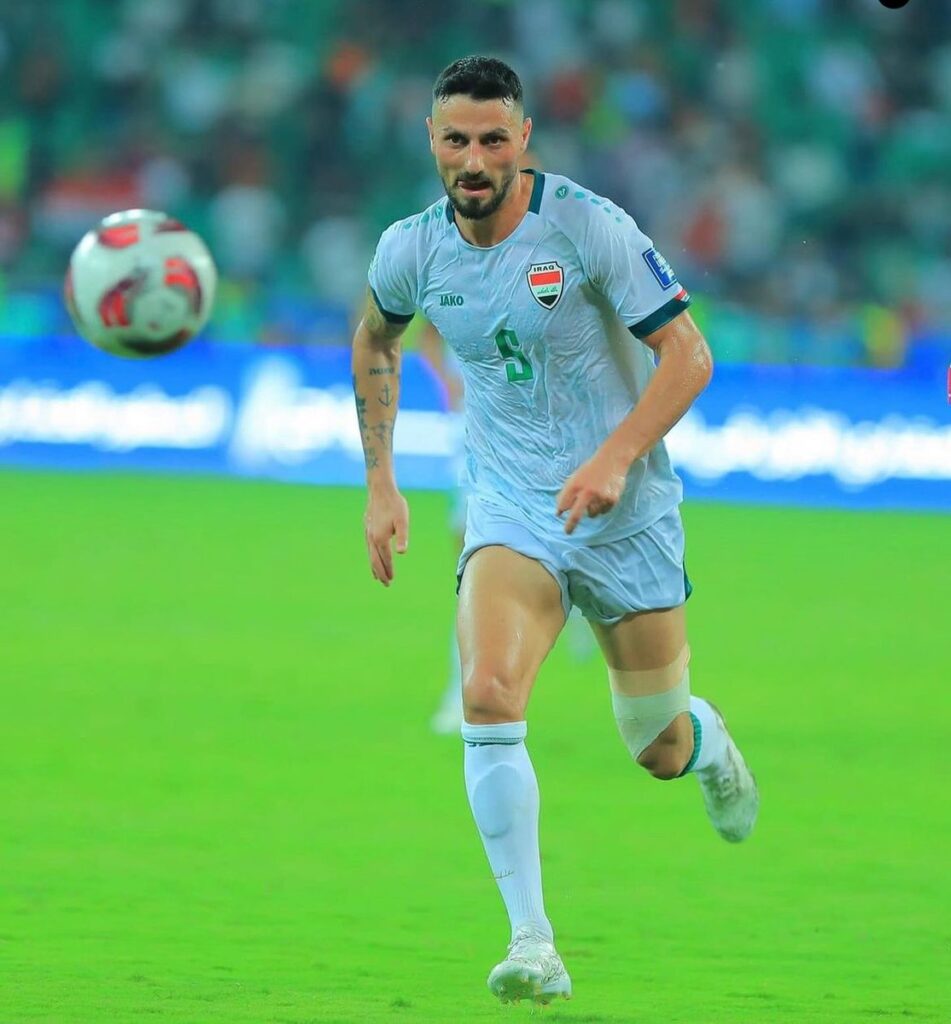
Rebin Sulaka, a centre back for Port FC, was born in Ankawa, Erbil, into an Assyrian Christian family. While Sulaka is not Kurdish, he is a Kurdistani player from the Kurdistan Region whose career reflects the diversity of Iraq’s World Cup squad and the communities that contribute to the country’s football story.
Sulaka moved to Sweden with his family as a child and began his football career there, making his senior debut as a teenager with Eskilstuna City. His professional path has since taken him through clubs in Sweden, Norway, Qatar, Serbia, Bulgaria, South Korea, Switzerland, and Thailand.
An experienced defender, Sulaka first represented Iraq in 2015 and has been part of several major campaigns, including World Cup qualifying and the AFC Asian Cup. After briefly retiring from international football in 2022, he returned to the national team in 2023 and later scored his first international goal during the 2023 AFC Asian Cup.
As an Assyrian Christian from Ankawa, Sulaka’s presence in Iraq’s World Cup squad is a reminder of the Kurdistan Region’s diversity and the broad range of communities represented in Iraqi football. His journey also reflects perseverance, professionalism, and the global paths many players take before reaching the World Cup.
Aimar Sher
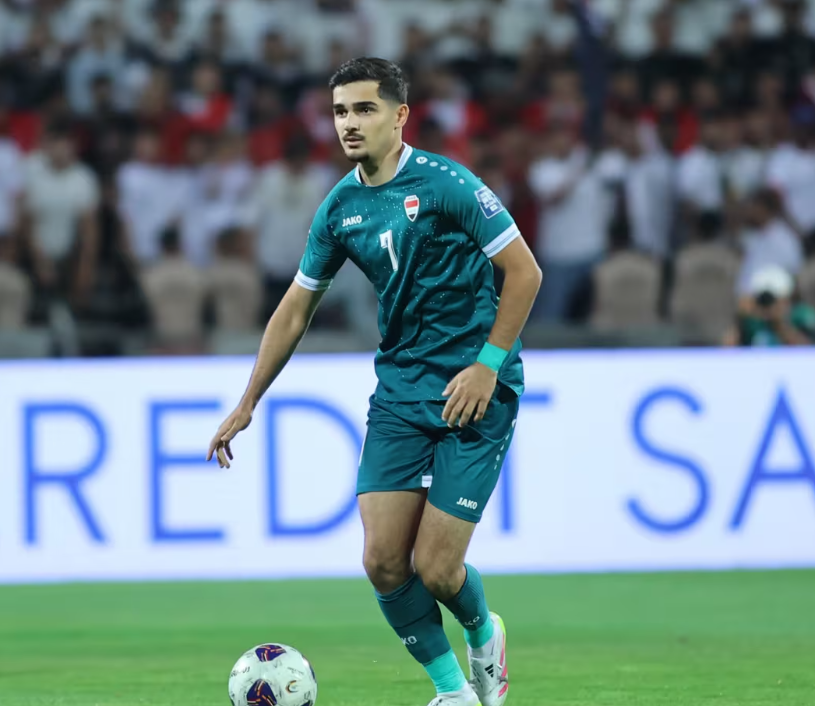
Aimar Sher, a midfielder for Sarpsborg 08, was born in Shaqlawa in the Kurdistan Region to an Assyrian/Chaldean family. While Sher is not Kurdish, he is a Kurdistani player whose journey from the Kurdistan Region to European football adds another dimension to Iraq’s diverse World Cup squad.
Sher moved to Sweden with his family at age four and grew up in Stockholm, where he began playing for local clubs before joining the Hammarby IF academy. In 2019, at the age of 16 years and nine months, he became Hammarby’s youngest-ever player to appear in Sweden’s top division.
After establishing himself at Hammarby, Sher moved to Spezia in Italy’s Serie A and later spent time with Groningen in the Netherlands. He now plays for Sarpsborg 08 in Norway.
Sher represented Sweden at the U-17 and U-21 levels before receiving FIFA approval in 2025 to represent Iraq internationally. His selection for Iraq’s 2026 FIFA World Cup squad marks another milestone in a career shaped by determination, international experience, and the opportunities created through diaspora football.
As an Assyrian/Chaldean player born in Shaqlawa, Sher reflects both the diversity of the Kurdistan Region and the global paths through which players can reach football’s biggest stage.
A Moment of Pride for Iraq and Kurdistan
Iraq’s participation in the 2026 FIFA World Cup is a historic achievement for the entire country. It is also a proud moment for the Kurdistan Region, with Kurdish and Kurdistani players connected to Erbil, Ankawa, Shaqlawa, Darbandikhan, Sulaymaniyah, and the diaspora selected to represent Iraq on football’s biggest stage.
The group reflects the diversity of the Kurdistan Region. It includes Kurdish players as well as Assyrian and Chaldean players from the Region, each reaching the World Cup through a different professional and personal journey.
For fans in Iraq, the Kurdistan Region, and communities around the world, the presence of these players in Iraq’s World Cup squad adds special meaning to the tournament. Their stories reflect perseverance, opportunity, and the shared joy that football can create across borders.
As Iraq prepares to face Norway, France, and Senegal, the team carries with it the hopes of a nation and the pride of communities far beyond the pitch. Forty years after Iraq’s first World Cup appearance, a new generation now has the chance to make history.