
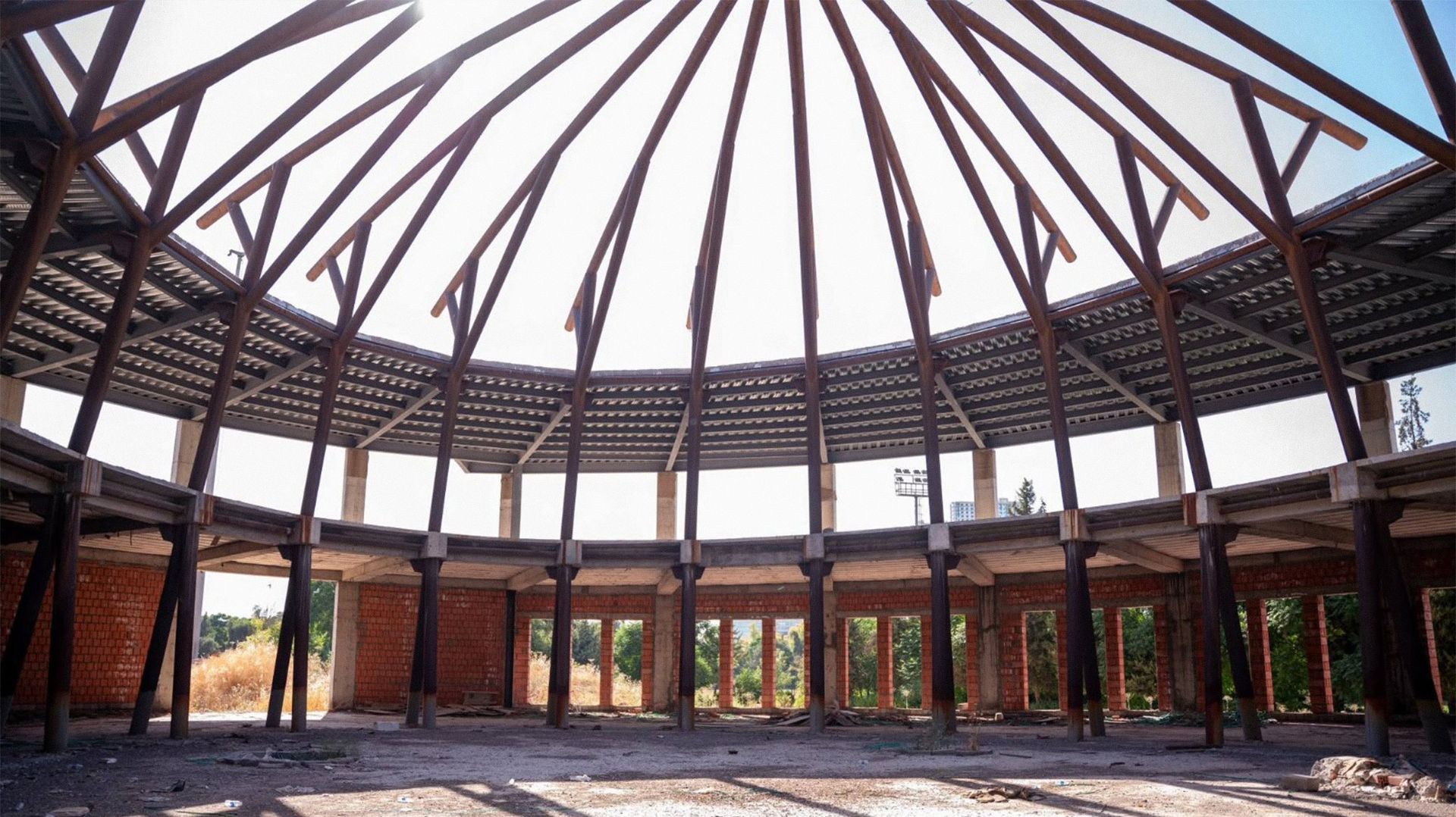
The Kurdistan Regional Government has launched two major cultural projects in Erbil: a new art gallery designed to become the largest of its kind in the Kurdistan Region and a modern museum dedicated to preserving the history and memory of the Anfal genocide.
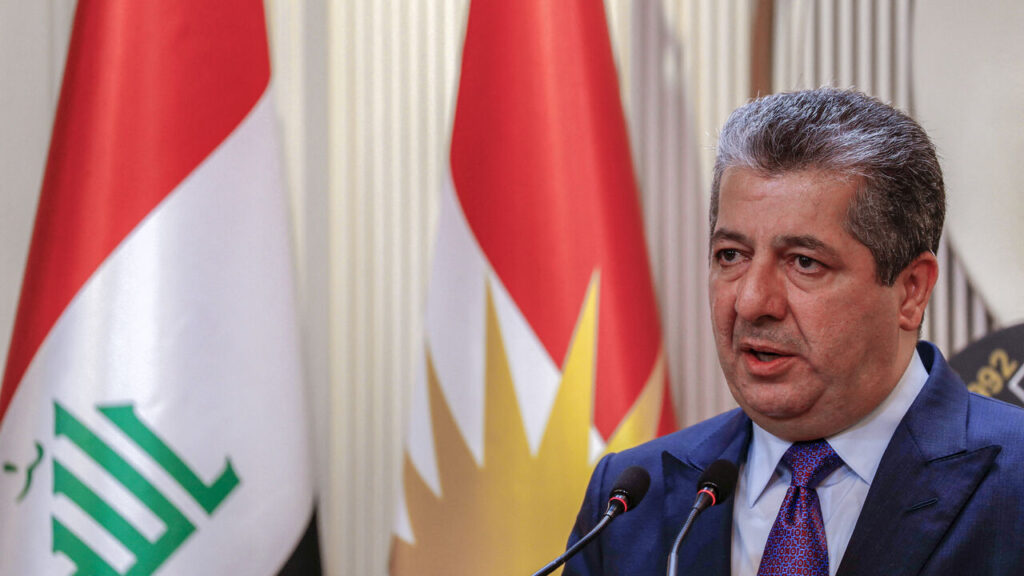
The projects are being developed in Sami Abdulrahman Park under the direction of Kurdistan Region Prime Minister Masrour Barzani. Senior KRG and Erbil officials recently visited the sites to review construction progress and emphasize the importance of completing both facilities on schedule and to high standards.
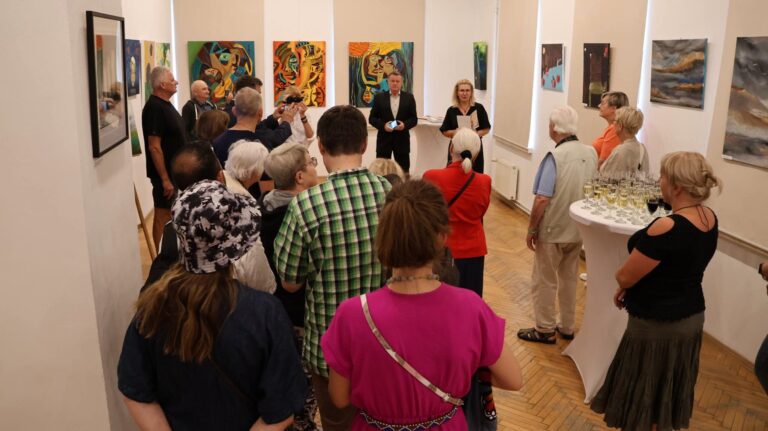
The new gallery is intended to serve as an international venue for visual arts, bringing together Kurdish and foreign artists and expanding opportunities for exhibitions, cultural programming, and artistic exchange.
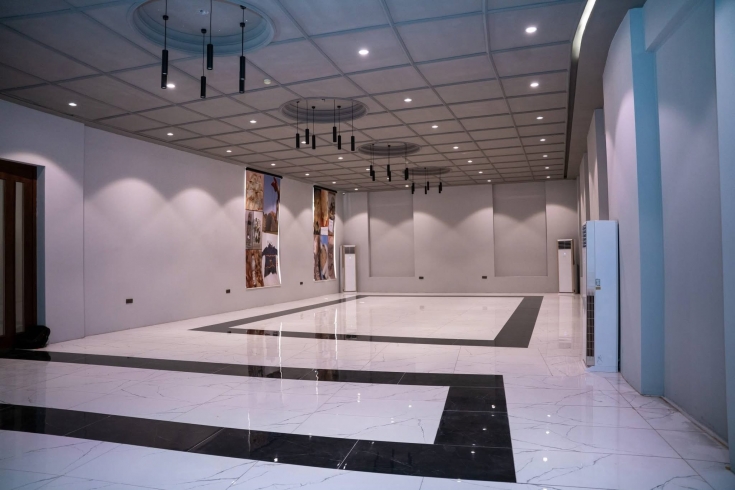
According to KRG Deputy Minister of Culture and Youth Aryan Salahaddin, Kurdish artists regularly participate in exhibitions abroad, but the Kurdistan Region has had fewer opportunities to host international artists and major exhibitions. The new venue is expected to help address that gap while providing Kurdish artists with a larger platform to present their work to international audiences.
Located near the Zaytun Library, it will form part of a wider cultural area within Sami Abdulrahman Park and support efforts to strengthen Erbil’s position as a regional center for art and creative activity.
Diplomatic missions and foreign consulates in the Kurdistan Region have also highlighted the value of establishing a permanent venue capable of hosting international exhibitions and cultural events. Officials expect the gallery to support greater cooperation between local institutions, artists, and international partners.
Alongside the gallery, construction is nearing completion on a modern museum dedicated to the Anfal genocide. The museum will document the atrocities committed against the Kurdish people, preserve the stories of victims and survivors, and provide an educational resource for future generations and international visitors.
The Anfal campaign, carried out by the former Iraqi regime in 1988, resulted in the deaths and disappearance of an estimated 182,000 Kurds and the destruction of thousands of villages. Iraq’s parliament formally recognized the campaign as genocide in 2008.
Together, the gallery and museum will create a major cultural and historical destination in the center of Erbil. The projects will provide space both to celebrate contemporary Kurdish creativity and to preserve the history of the Kurdish people.
The initiatives reflect the KRG’s broader investment in cultural institutions, heritage preservation, tourism, and the creative economy. By supporting new venues for artistic expression and historical education, the government aims to strengthen the Kurdistan Region’s cultural identity while expanding its engagement with international audiences.