
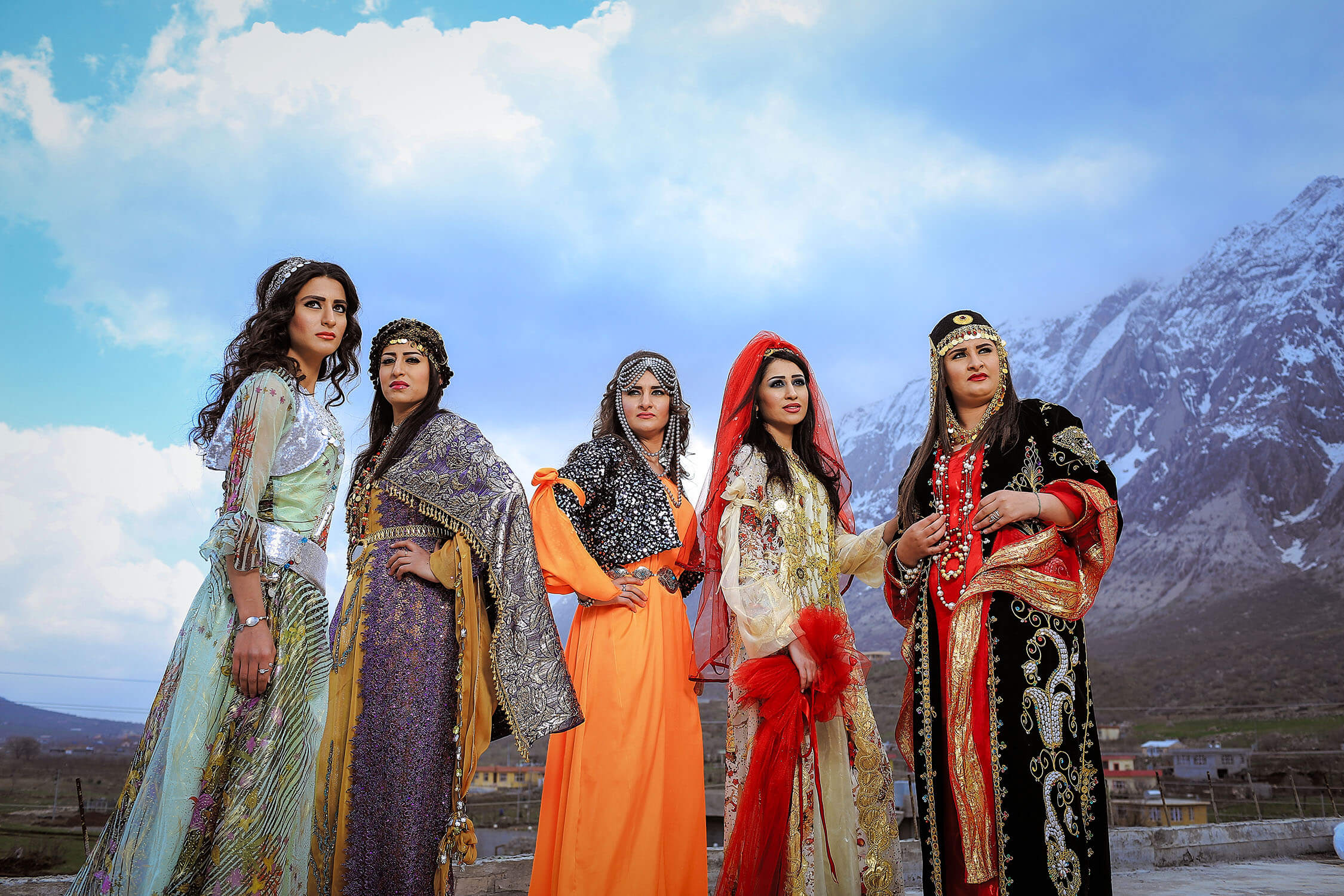
During Women’s History Month, the Kurdistan Regional Government Representation in the United States honors the women who have helped shape Kurdish history across generations: rulers, scholars, educators, artists, journalists, activists, and fighters whose leadership has left a lasting mark on Kurdish political, cultural, and public life. Their stories reflect a long tradition of women not at the margins of history, but at its center.
From the earliest periods of Kurdish history to the present day, Kurdish women have contributed to public life in many forms. They preserved knowledge, led communities, defended the homeland, carried Kurdish identity into global cultural spaces, and helped shape the institutions of modern Kurdistan. Together, their stories form a powerful historical continuum of leadership, courage, and service.
Guardians of Knowledge and Memory
Kurdish women have long played an essential role in preserving intellectual, religious, and historical life.
Asenath Barzani, born into a prominent Kurdish scholarly family, became a renowned religious scholar and yeshiva leader in seventeenth-century Kurdistan. Her life reflects the rich religious and cultural diversity of Kurdistan and the longstanding role of women in shaping spiritual and scholarly traditions.
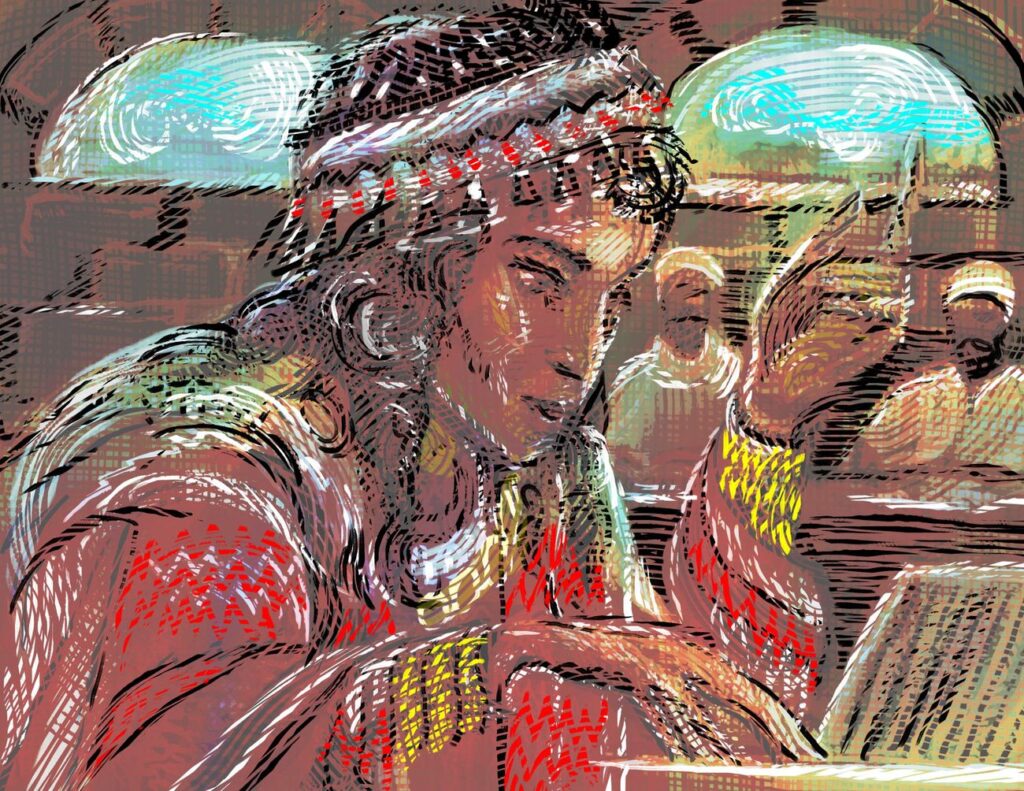
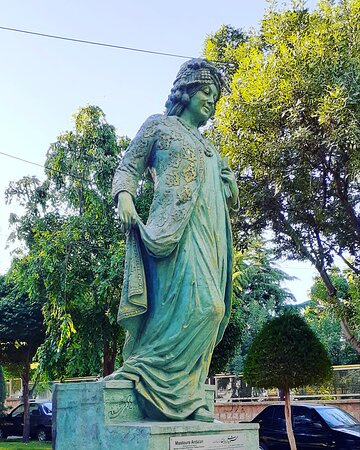
In the nineteenth century, Mastoureh Ardalan emerged as one of Kurdish history’s most important intellectuals. A historian and poet from Sanandaj, she preserved dynastic and political memory through her writings while contributing to Kurdish and Persian literary life. Her work reminds us that Kurdish women were not only witnesses to history, but also among its earliest chroniclers.
Women in Governance and Political Leadership
Kurdish history also offers powerful examples of women who exercised political authority and governed with vision.
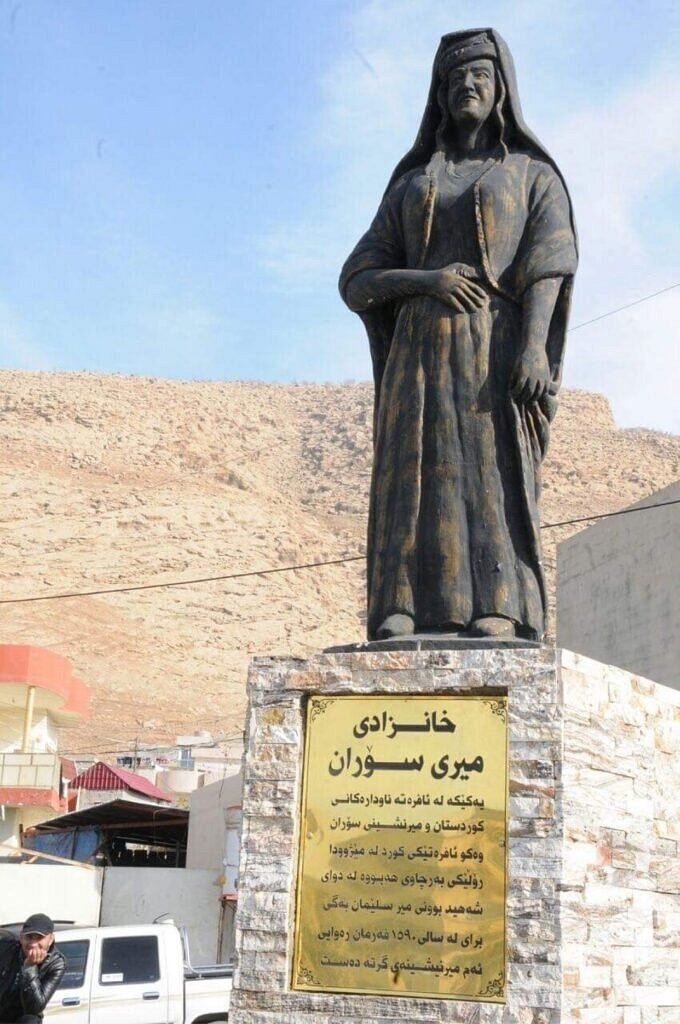
Princess Khanzad of Soran is remembered in Kurdish historical tradition as a ruler who governed with strategy and foresight, consolidating power while investing in construction, learning, and internal stability. Her story stands as an early example of women’s leadership in Kurdish political history.
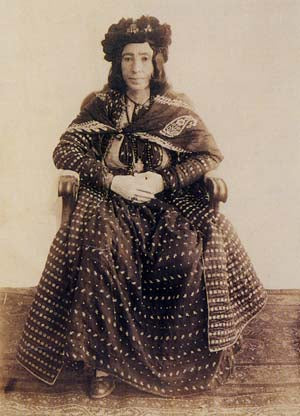
Centuries later, Adela Khanum, or Lady Adela, exercised real administrative authority in Halabja and the wider Jaff sphere. She mediated disputes, strengthened local administration, and maintained order during the upheaval of World War I. British officials later referred to her as the “Princess of the Brave,” reflecting the unusual respect she commanded in a male-dominated political landscape.
These women demonstrate that Kurdish women have long led not symbolically, but substantively, through governance, diplomacy, and political stewardship.
Education, Reform, and Civic Resistance
For many Kurdish women, resistance took the form of education, public advocacy, and social reform.
Hepse Xanî Neqîb, born in Sulaymaniyah in 1891, helped establish one of the first girls’ schools in the city and is widely associated with the first Kurdish women’s association in Iraqi Kurdistan. She went house to house encouraging families to educate their daughters, supported Kurdish political causes, and addressed the League of Nations in defense of Kurdish rights. Her legacy reminds us that Kurdish women’s resistance did not begin only on the battlefield. It also began in classrooms, homes, and civic life.
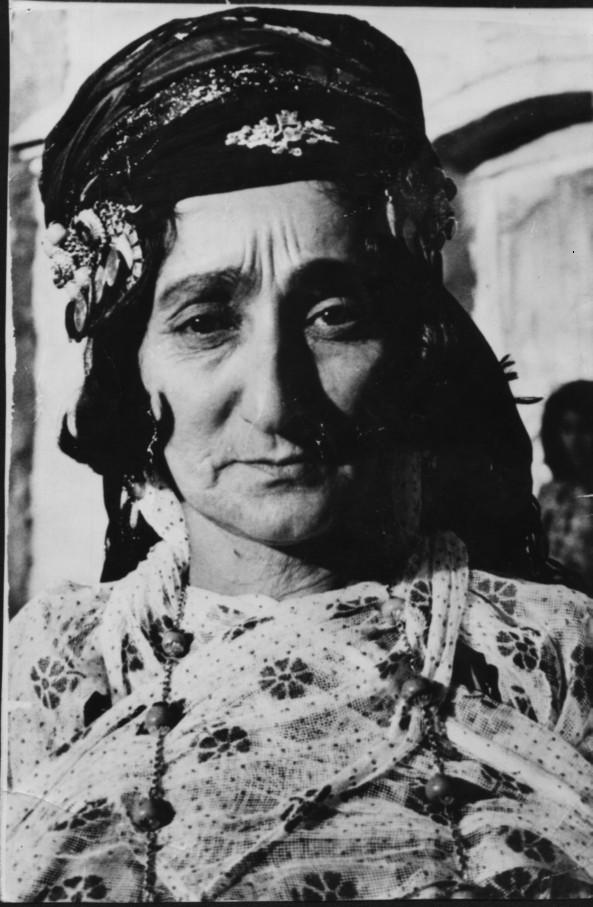
Her story reflects a broader truth: for generations, Kurdish women have understood education not simply as opportunity, but as liberation.
Breaking Barriers in Science and Medicine
Kurdish women have also left their mark in fields often closed to women in their time.
Sabat M. Islambouli, a pioneering physician of Kurdish heritage, traveled to the United States to study at the Woman’s Medical College of Pennsylvania and graduated in 1890. She is recognized as the first known female physician from Syria under Ottoman rule. Her achievement placed a Kurdish woman within one of the most demanding professions of her era and demonstrated that Kurdish women’s leadership has long extended into medicine, science, and transnational scholarship.
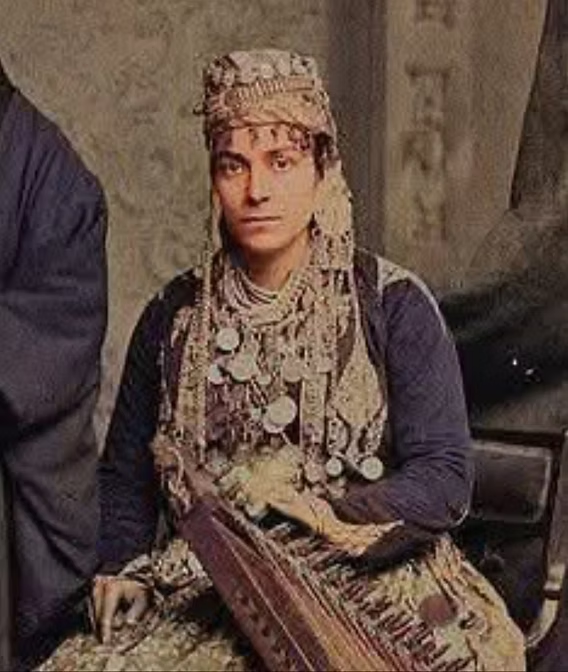
Her life is a reminder that Kurdish women have contributed not only to political and cultural history, but also to healing, professional achievement, and intellectual progress across borders.
Art, Culture, and Identity on the World Stage
Kurdish women have also carried Kurdish identity into global cultural spaces through art, music, and fashion.
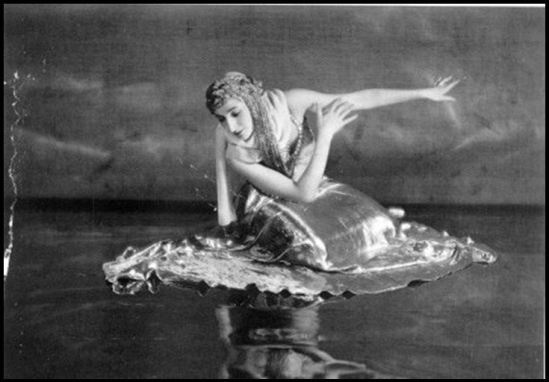
Leila Bedirxan, often remembered as the first Kurdish ballerina to achieve international renown, performed across Europe and the United States while publicly foregrounding her Kurdish identity at a time when Kurdish visibility on the world stage was limited. Her work functioned as an early form of cultural diplomacy, blending elegance, heritage, and modern artistic expression.
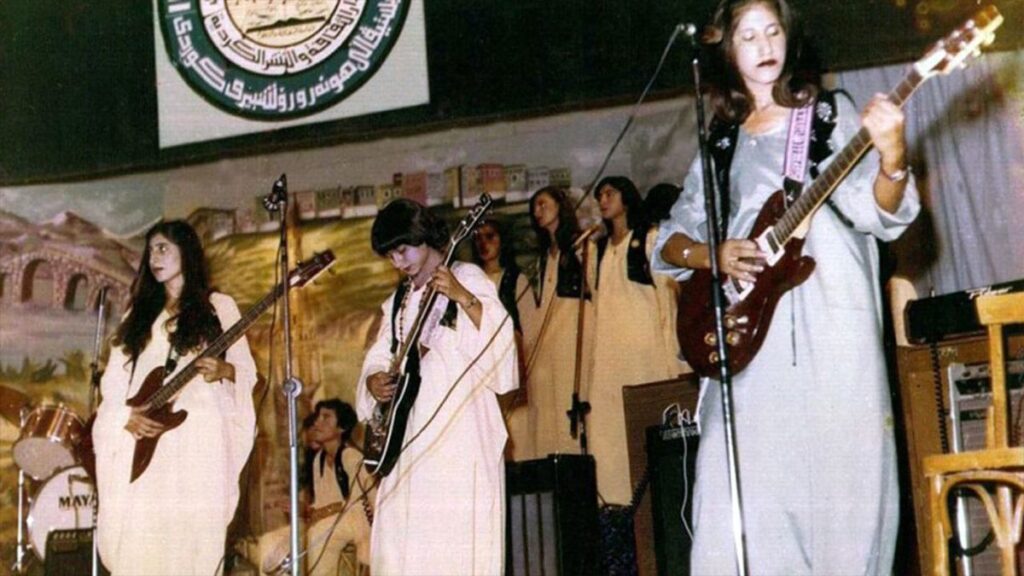
In a different medium and era, the all-female Kurdish rock band Khanzad, formed in Erbil in 1980, challenged both patriarchal norms and political pressure through music. As the first all-women Kurdish rock band in Kurdistan and Iraq, they embodied a bold form of cultural resistance.
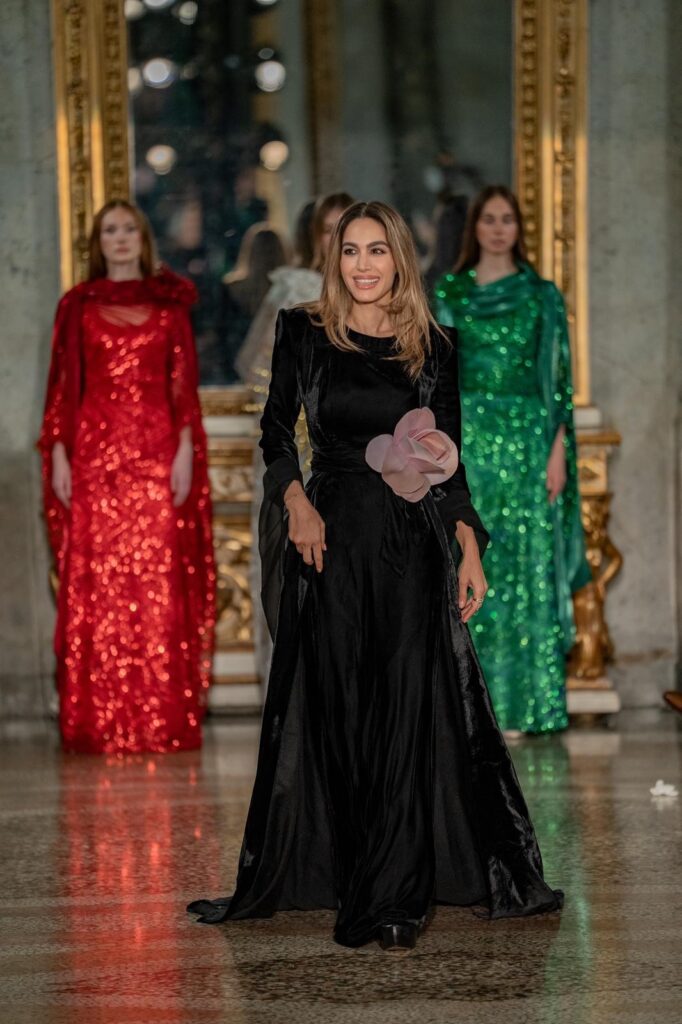
That legacy continues today through figures like Lara Dizeyee, whose heritage-inspired designs have brought Kurdish fashion to major international platforms, including Paris and Milan Fashion Week. Through her work, Kurdish dress is not presented as static folklore, but as living culture, refined, modern, and globally resonant.
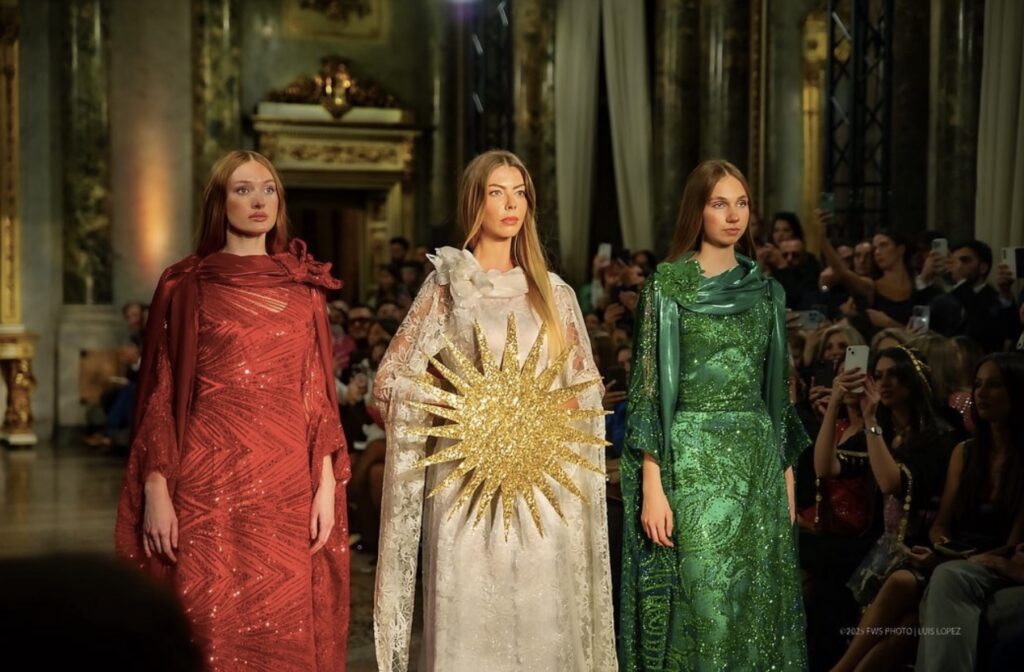
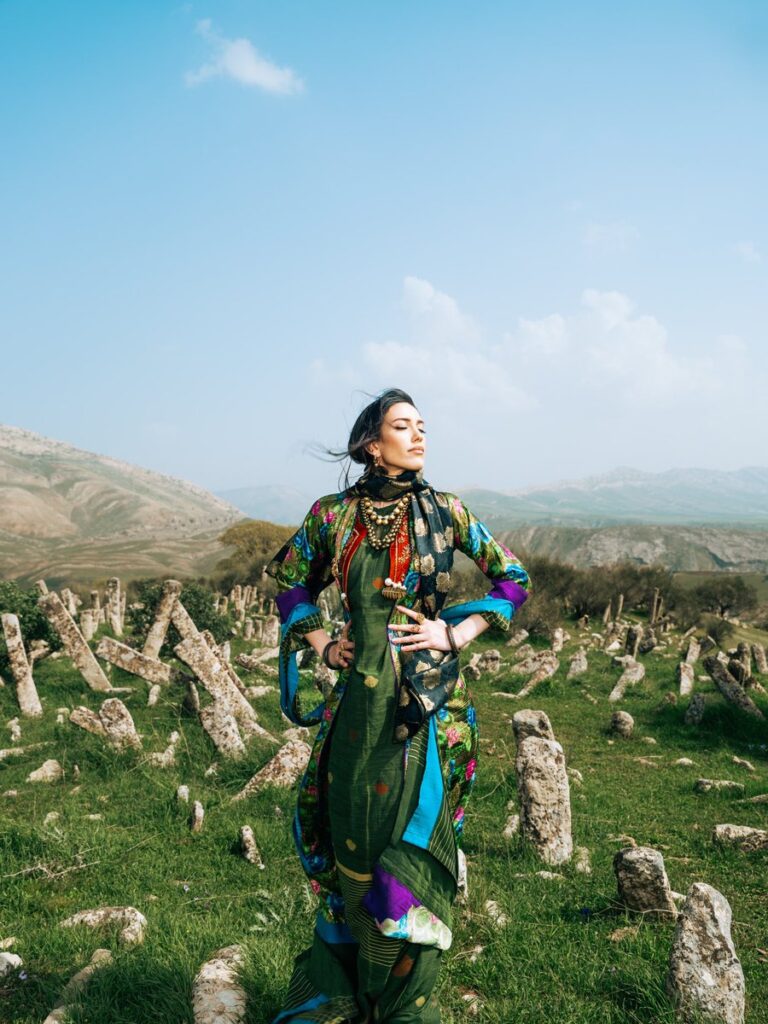
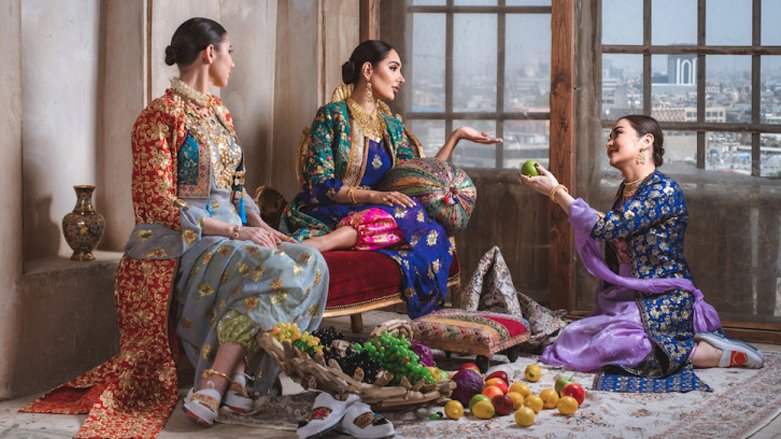
Together, these women show that Kurdish identity has also been defended and celebrated through creativity, performance, and cultural expression.
Courage in Struggle and Sacrifice
At moments of grave national struggle, Kurdish women have stood at the forefront of sacrifice and resistance.
Leyla Qasim, executed by the Ba’ath regime in 1974 at the age of 21, remains one of the most enduring symbols of Kurdish courage and political resistance. Her final request to wear traditional Kurdish dress before her execution helped cement her place in Kurdish memory as the “Bride of Kurdistan.” Her life continues to inspire generations of Kurds committed to dignity, freedom, and national rights.
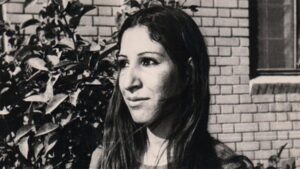
Margaret George Shello, an Assyrian Christian from the Barwari region, became the first widely recognized female Peshmerga fighter and later a symbol of both courage and Kurdish-Assyrian solidarity. Her story reflects not only women’s role in armed struggle, but also the shared sacrifices of the communities of Kurdistan.
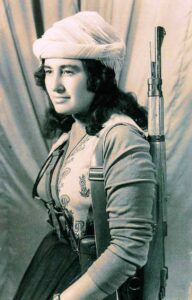
These women remind us that Kurdish history has been shaped not only by political declarations, but by individual acts of extraordinary bravery.
Women on the Frontlines and in Public Service
The role of Kurdish women in defending Kurdistan did not end in the past. It remains visible in the present.
Women have served in the ranks of the Peshmerga for decades, and their role became especially visible during the fight against ISIS. Their service has demonstrated that women are not passive observers of Kurdish history, but active defenders of it. Their participation has also opened broader conversations about equality, institutional reform, and long-term opportunity within the security sector.
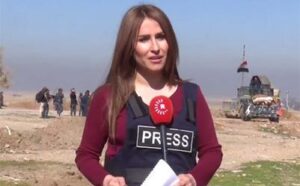
Kurdish women have likewise made important contributions in journalism and public life. Shifa Gardi, a Kurdish journalist killed in 2017 while covering the battle for Mosul, became a powerful symbol of courage in a profession still often dominated by men. Reporting from the front lines, she risked, and ultimately gave, her life to document one of the defining battles against ISIS. Her legacy remains part of the broader story of Kurdish women telling history as it unfolds.
Female Ministers and Parliamentarians Today
The legacy of these women continues in the institutions of the Kurdistan Region today.
Women currently serve in senior government roles in the Kurdistan Regional Government, including Kwestan Mohamad Abdulla Maarouf, Minister of Labour and Social Affairs; Begard Dlshad Shukralla, Minister of Agriculture and Water Resources; and Vala Fareed Ibrahim, Minister of State for Parliament Affairs.
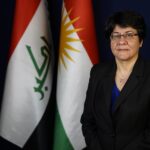
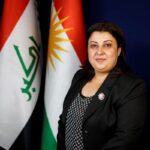
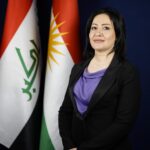
Women are also playing an increasingly significant role in legislative governance. In the 2024 Kurdistan Region parliamentary elections, women secured 32 of the 100 seats in the sixth term of the Kurdistan Parliament, surpassing the 30 percent constitutional quota and reinforcing a steady trajectory toward greater representation across the region’s political institutions.
Kurdish women are also contributing to national policymaking in Baghdad. Following the November 11, 2025 elections for Iraq’s sixth parliamentary term, 14 Kurdish women were elected to the Council of Representatives of Iraq, representing five governorates, Erbil, Duhok, Sulaymaniyah, Nineveh, and Kirkuk, across several Kurdish political movements.
Together, these developments reflect the growing presence of Kurdish women in democratic institutions at both the regional and federal levels.
Their service reflects continuity rather than novelty. Kurdish women have long shaped governance, and they continue to do so today through public office, policymaking, and national service.
A Legacy That Continues
During Women’s History Month, the stories of these women remind us that Kurdish women have led in many forms: through scholarship, service, art, resistance, and public leadership. They built schools, preserved memory, governed communities, defended the region, and carried Kurdish identity onto international stages.
Honoring them is not only an act of remembrance. It is an acknowledgment that the future of Kurdistan, like its history, continues to be shaped by women.