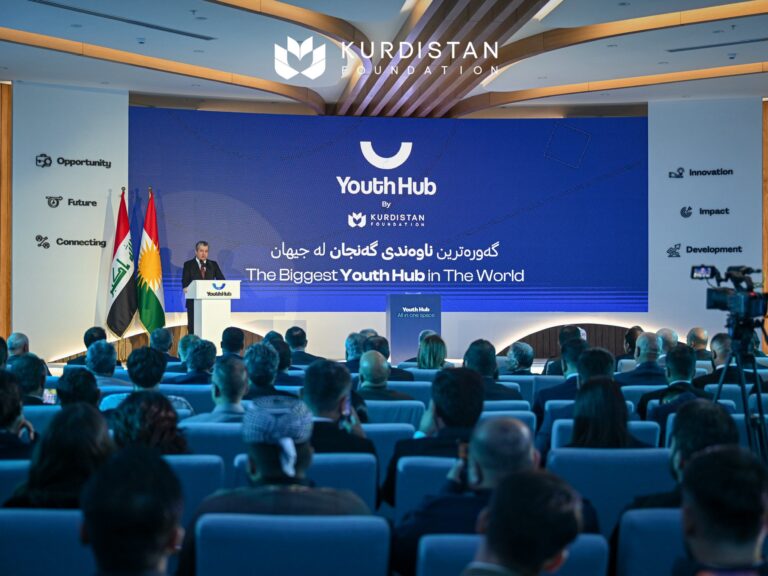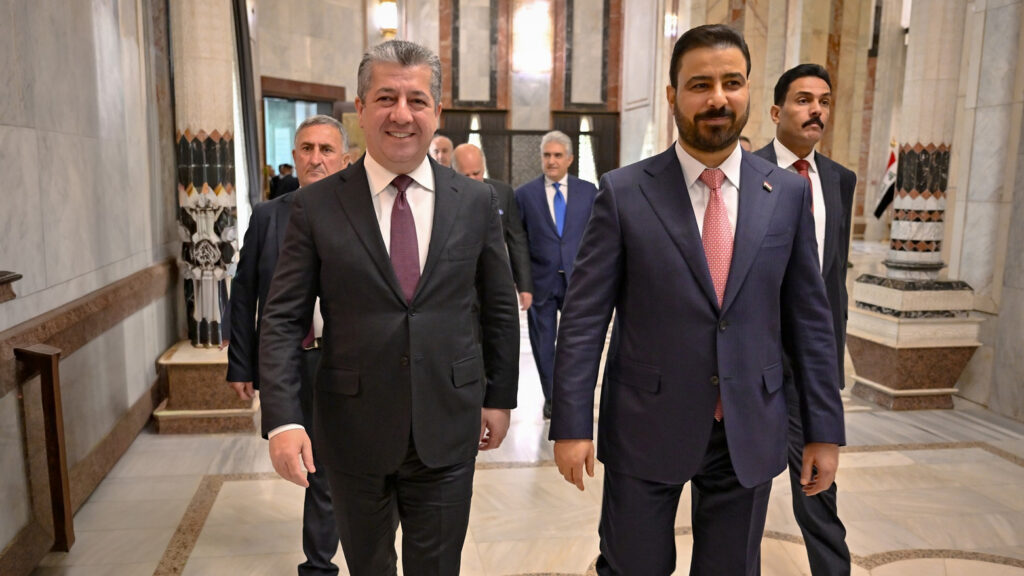

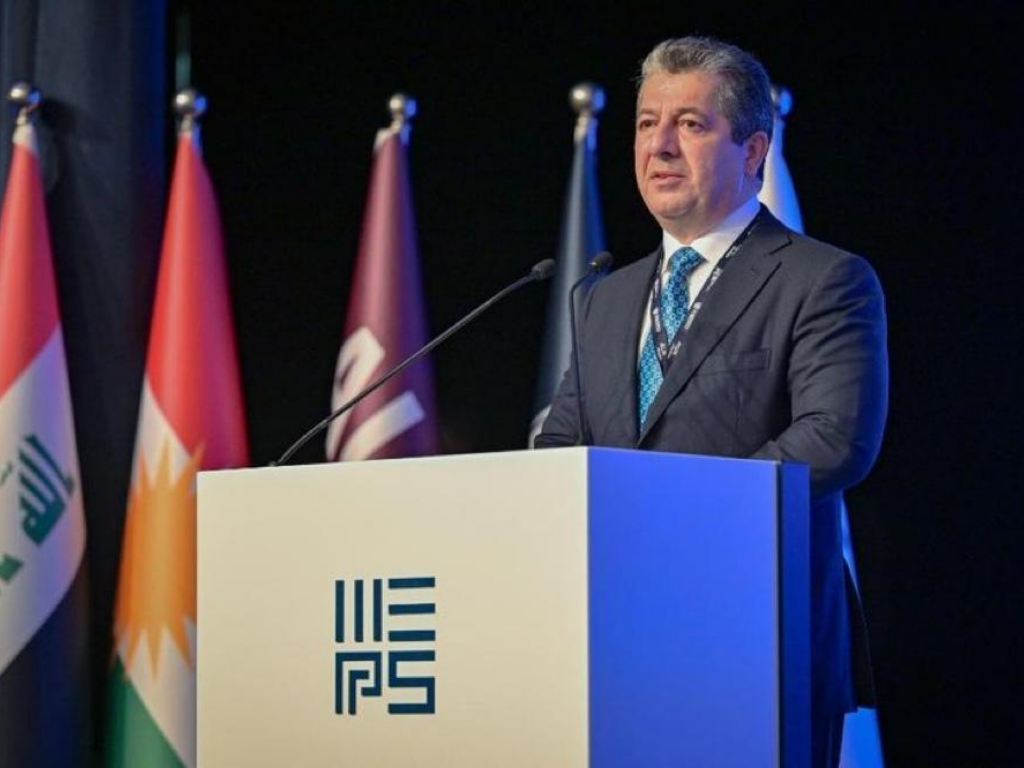
The sixth annual Middle East Peace and Security (MEPS) Forum took place on November 17–19, 2025, in Dohuk under the theme “Managed Chaos: The New Middle East?” Over the years, the Forum has grown into one of the region’s most important venues for dialogue and policy discussion. This year’s gathering brought together senior Iraqi, Kurdish, regional, and international leaders.
The timing added weight to the discussions, coming only days after Iraq’s parliamentary elections as political blocs begin negotiations over the next federal government. High-level participants included Iraqi Prime Minister Mohammed Shia al-Sudani, KDP President Masoud Barzani, KRI President Nechirvan Barzani, and KRG Prime Minister Masrour Barzani, and Syrian Democratic Forces (SDF) Commander Mazloum Abdi. They were joined by ministers, party leaders, diplomats, and representatives from leading international institutions such as Cambridge University, the Atlantic Council, Carnegie’s Crisis Response Council, and the London School of Economics.
Key Themes and Discussions
Sessions focused on the impact of Iraq’s recent elections and what early coalition talks could signal for the country’s political direction. Panels also examined shifting regional alignments, the influence of non-state actors, and the broader security environment across the Middle East. Economic resilience, energy security, climate pressures, and migration were recurring topics as speakers assessed the challenges facing regional governments.
High-Level Participation
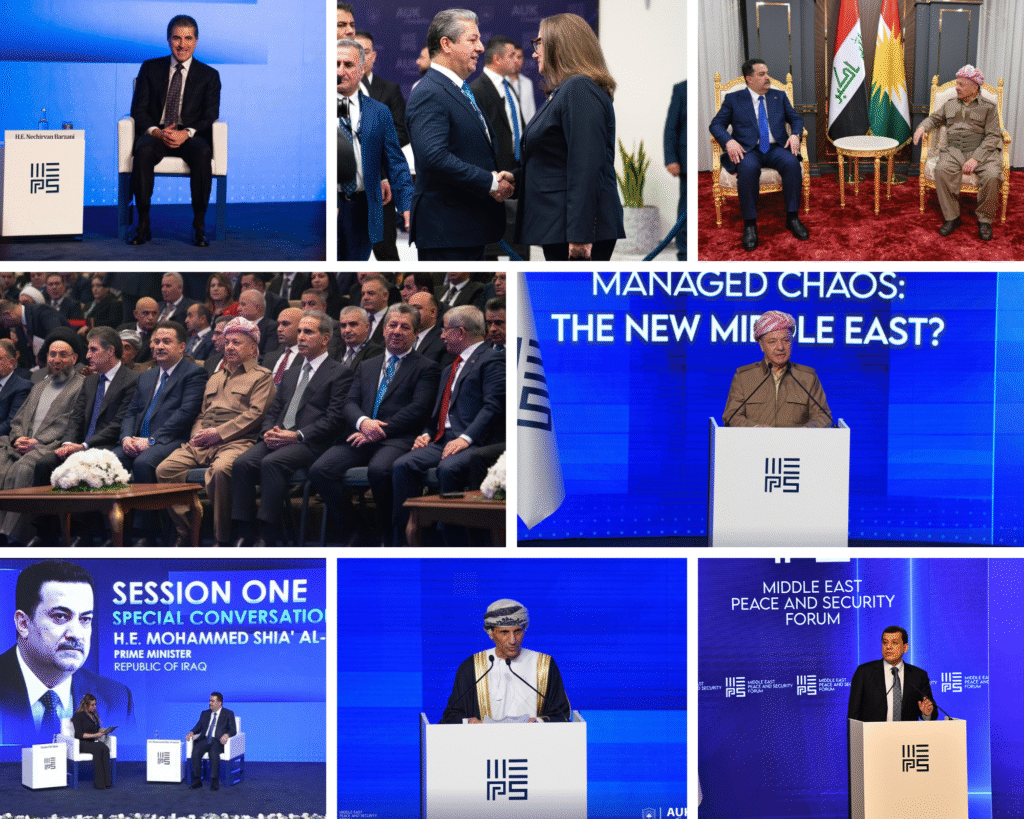
The Forum drew a wide range of senior figures from Iraq and the Kurdistan Region, alongside diplomats, analysts, and international partners. The presence of Iraq’s prime minister, Kurdish leadership, ministers, party heads, and regional actors such as SDF Commander Mazloum Abdi gave the discussions a broader regional dimension and encouraged direct engagement on shared security priorities.
In keynote remarks, Prime Minister H.E. Masrour Barzani congratulated all the citizens of Iraq, including the Kurdistan Region, on the successful elections, describing the result as a victory for all Iraqis. He emphasized the shared goal of finding solutions to the Middle East’s ongoing challenges. Senior officials framed this year’s discussions around conflict management, reconstruction, economic partnerships, constitutional stability, and efforts to navigate shifting regional dynamics following the past year’s developments.
Kurdistan’s Growing Role as a Diplomatic Hub
As Iraq enters a new phase of coalition-building and regional actors navigate complex geopolitical shifts, MEPS 2025 underscores the Kurdistan Region’s growing role as a neutral venue for dialogue and a partner in promoting stability, cooperation, and long-term development.
The participation of Commander Mazloum Abdi highlighted the Kurdistan Region’s steady role in fostering dialogue across borders, including efforts to support stability and de-escalation in Syria. The KRG has maintained channels of communication with various Syrian Kurdish actors and continues to promote a peaceful resolution to the development of the new Syrian state. This year’s Forum offered an opportunity to underline that role while also reinforcing the importance of cooperation between Erbil and Baghdad as Iraq prepares for a new federal government.
Regional and International Perspectives
International experts and institutions offered insights on the evolving geopolitical environment and how global power competition is affecting the Middle East. They stressed the value of predictable governance, long-term planning, and strong regional coordination. Many underscored the importance of continued engagement with both Iraq and the Kurdistan Region.
Looking Ahead
This year’s MEPS Forum underscored its role as a key platform for meaningful exchange at a critical moment for Iraq and the wider region. Participants called for continued dialogue as Iraq moves into post-election negotiations and as regional dynamics continue to shift. Organizers noted plans to expand next year’s program with additional tracks focused on economic development and climate resilience.