
Showcasing the Region’s Cultural and Agricultural Strength
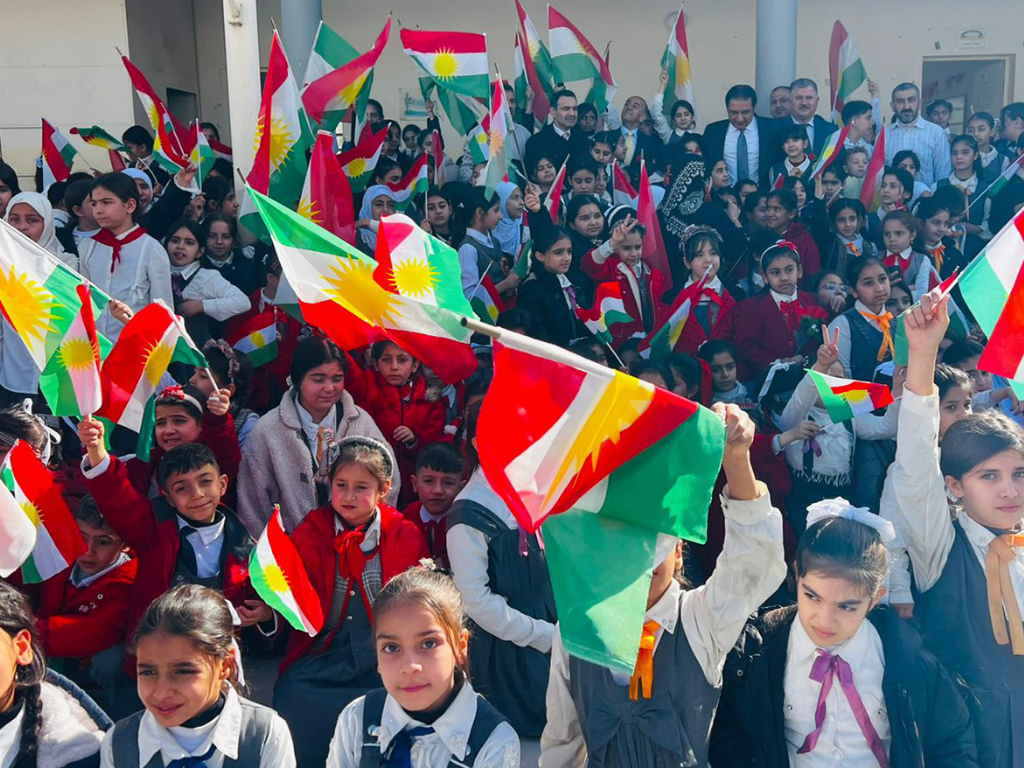
This year’s Halabja’s Pomegranate and Autumn Festival welcomed an
extraordinary 419,700 visitors, marking one of the largest turnouts in the event’s
history. The large turnout highlights the province’s growing appeal as a cultural
and agricultural destination. Held over three days, the festival generated an
estimated 1.7 billion Iraqi dinars in revenue, according to local officials—an
economic boost that reflects the continued success of Halabja’s farmers, artisans,
and tourism sector.
A Landmark Event for Tourism and Local Business
The head of Halabja’s Tourism Directorate noted that nearly half of all the visitors
also traveled to other tourist sites in the region, contributing to widespread
economic activity. Hotels and guesthouses were fully booked for more than a
week, an indication of both strong demand and the province’s rising profile as a
tourism hub. Attendance surpassed previous years by a wide margin; last year’s
festival brought in 285,000 people, and 270,000 the year before.
Showcasing Halabja’s Signature Crop
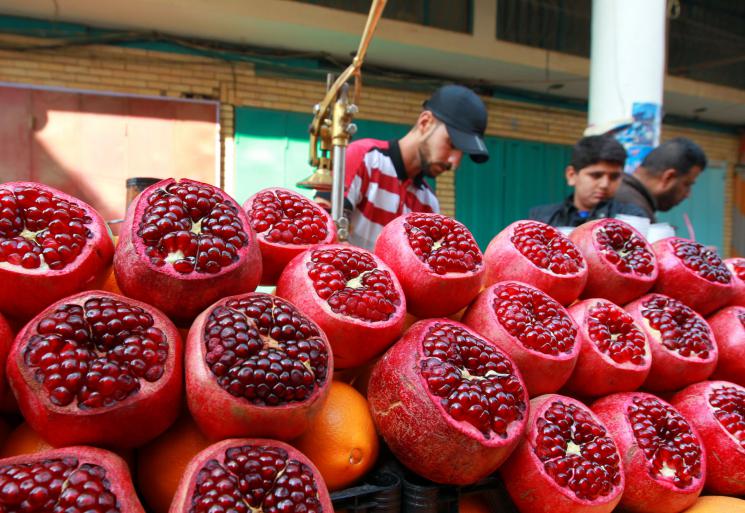
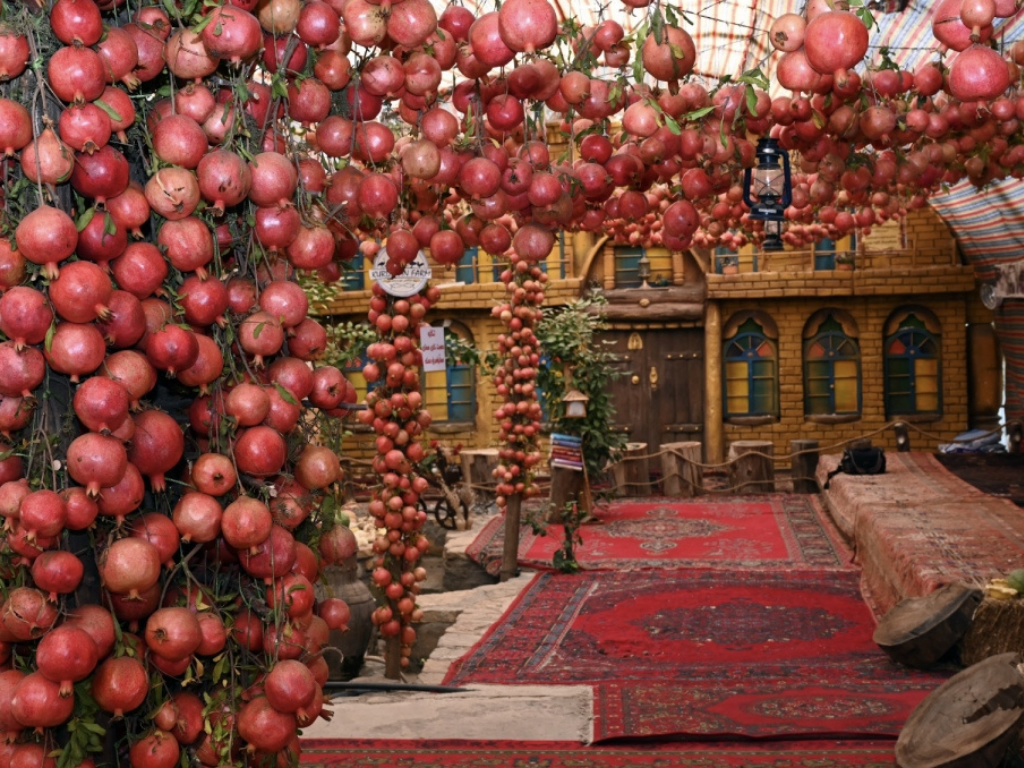
The centerpiece of the festival continues to be Halabja’s famed pomegranates,
celebrated for their quality, flavor, and cultural importance. With the Kurdistan
Region producing more than 80,000 tons of pomegranates annually, nearly
30,000 tons from Halabja alone, the fruit represents one of the province’s
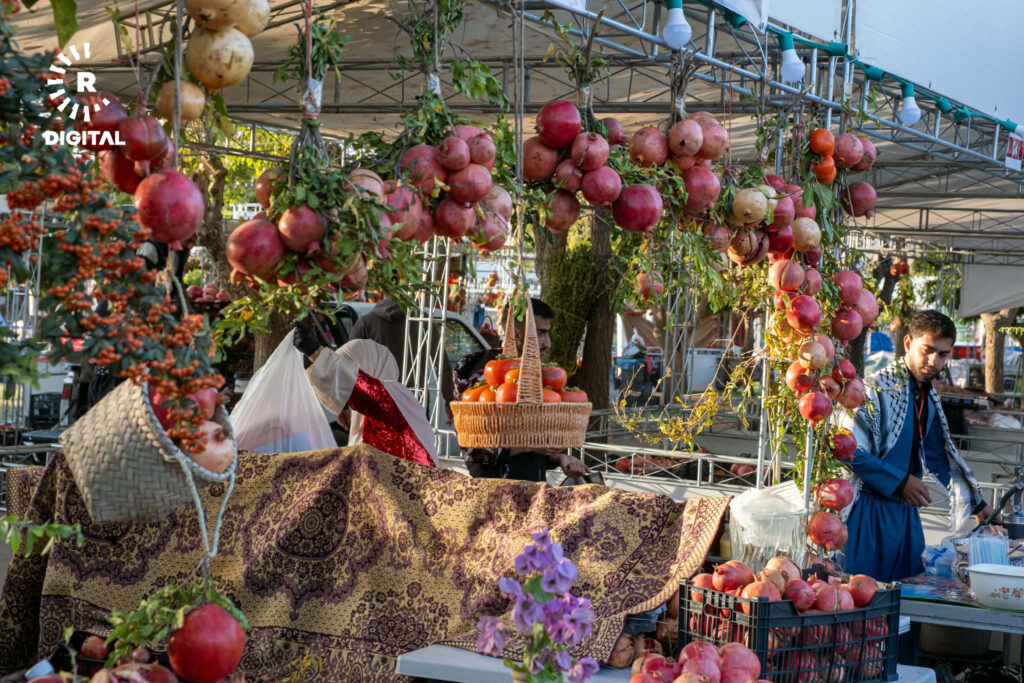
strongest agricultural products. This year’s festival brought together more than 250
farmers and producers, who offered fresh pomegranates, juices, jams, syrups, and
other specialty products.
In 2022, Kurdish pomegranates, including those from Halabja, reached Gulf
markets for the first time, representing one of the Kurdistan Regional
Government’s early achievements in its effort to diversify its economy. It also
marked the first export of an organic agricultural product from the region to Gulf
countries, demonstrating the strong potential of Kurdish farmers and producers in
competitive regional markets. The festival builds on this progress by linking
growers with traders, buyers, and new commercial partners, helping create a larger
space for sustainable, non-oil economic growth.
Cultural Heritage on Display
Alongside its agricultural offerings, the festival featured rich cultural
programming. More than 300 artisans from Halabja and neighboring districts
showcased traditional handicrafts, folklore pieces, and cultural heritage works.
Exhibitions highlighted the province’s artistic identity and provided an important
platform for local creators, supporting livelihoods while preserving traditional
craftsmanship.
Despite climate pressures and reduced rainfall this year, organizers noted that
product quality remains high, reflecting the resilience and skill of Halabja’s
farmers. The festival also plays an important role in boosting local economic
activity and drawing visitors from across Iraq and abroad.
KRG Support for Farmers and Market Expansion
Under the leadership of Prime Minister Masrour Barzani, the Kurdistan Regional
Government, including the Ministry of Agriculture and Halabja Governorate,
continue to invest in programs that support farmers through training, funding, and
improved market access. These efforts aim to increase production efficiency and
expand both domestic and international sales channels for agricultural products.