
Across Kurdistan, the wider region, and Europe, Kurdish artists and cultural figures are using fashion, visual art, music, and traditional craftsmanship to preserve heritage while introducing Kurdish culture to new audiences.
In Erbil, young Kurdish designer Lana Zana Piran recently debuted Dunadun, a fashion collection inspired by historic black-and-white photographs of Kurdish men and women. Drawing on clothing traditions from different parts of Kurdistan, the collection revives styles that have become less common in everyday life while highlighting the diversity of Kurdish dress.
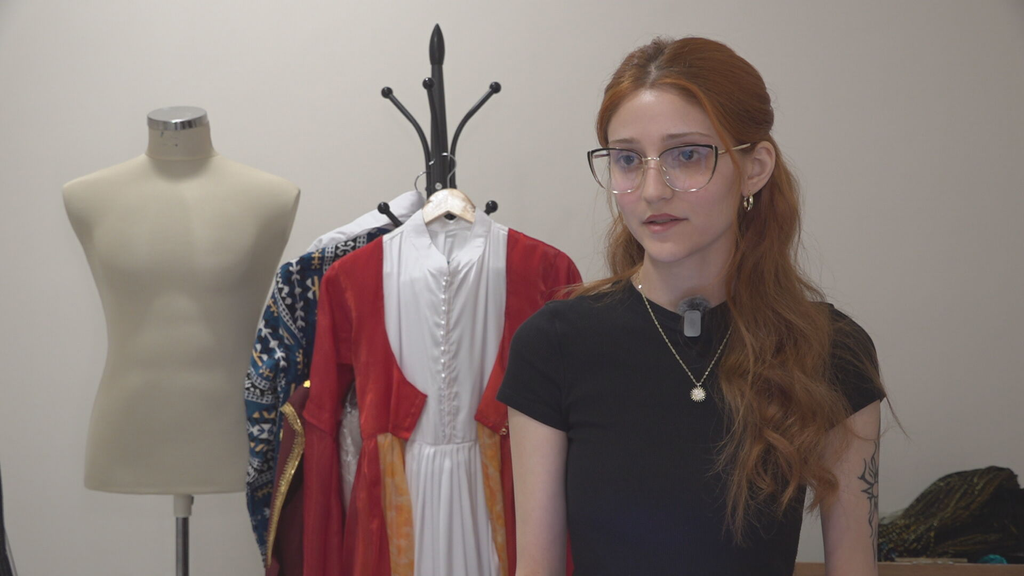
Piran, who is 20, spent approximately three years developing the collection. The name Dunadun, which she has said means “rebirth” in the Yarsani tradition, reflects her effort to bring older forms of Kurdish clothing back into public view. Rather than heavily modernizing traditional designs, her work focuses on preserving regional distinctions in fabric, embroidery, layering, headwear, and tailoring.
Kurdish heritage also received prominent attention this month at the Damascus International Fair, where a dedicated Kurdish pavilion participated for the first time in the event’s history.
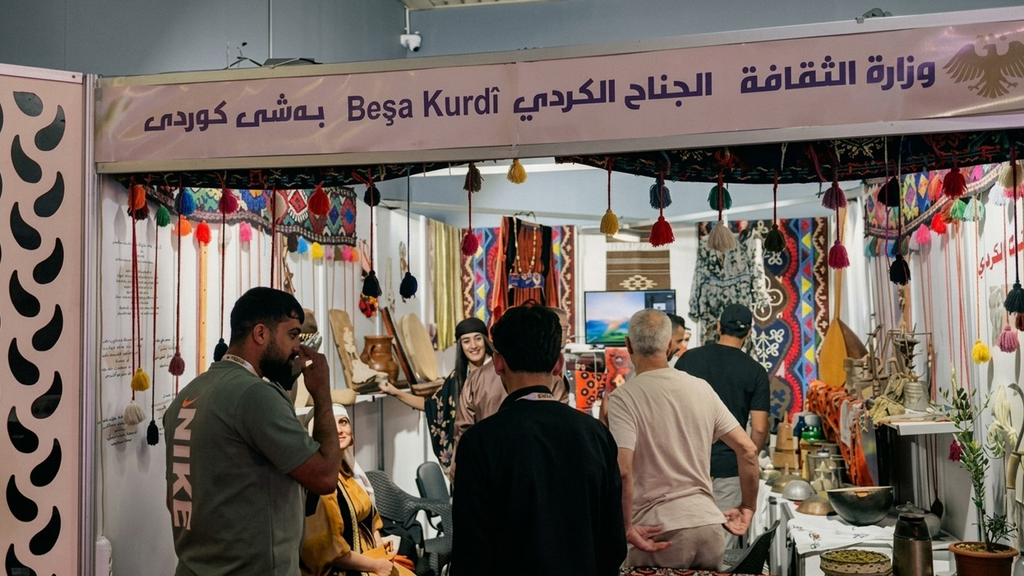
The pavilion showcased a wide range of Kurdish cultural traditions, including embroidered clothing, handmade carpets, copper crafts, antique musical instruments, historical documents, natural soap, and other traditional products. Visitors also attended Kurdish folkloric and musical performances, offering a broader view of Kurdish cultural life and customs.
Organizers described the pavilion as an opportunity to present Kurdish heritage as an integral part of the region’s cultural diversity while encouraging greater exchange and understanding between communities.
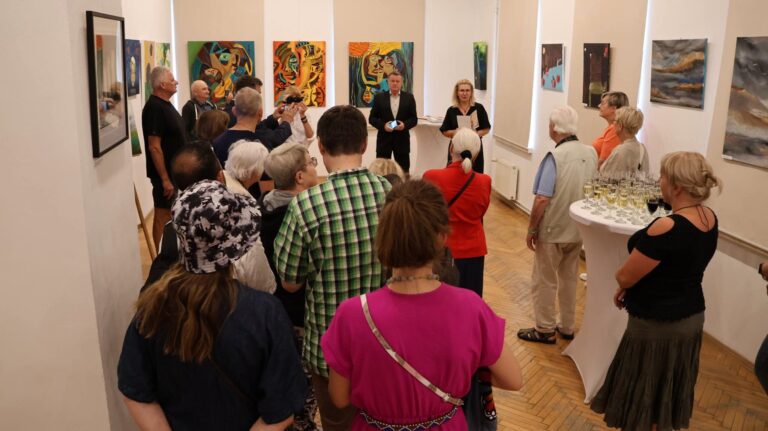
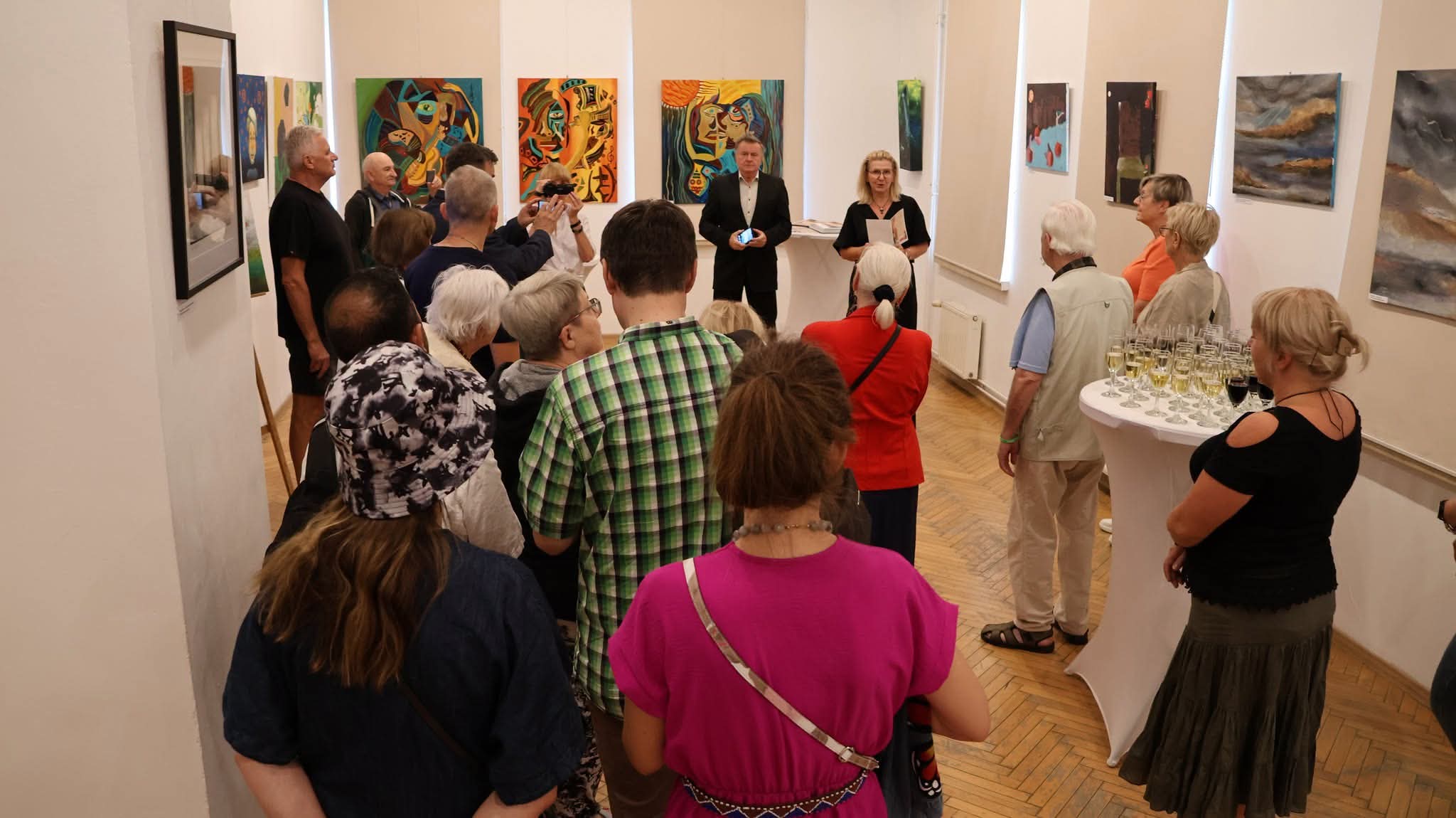
Kurdish artists in the diaspora are also using their work to explore questions of identity and belonging. In Poland, Kurdish visual artist Ashna Dawlat participated in the group exhibition Art Without Borders, alongside nearly 13 Kurdish artists based in Sweden and elsewhere.
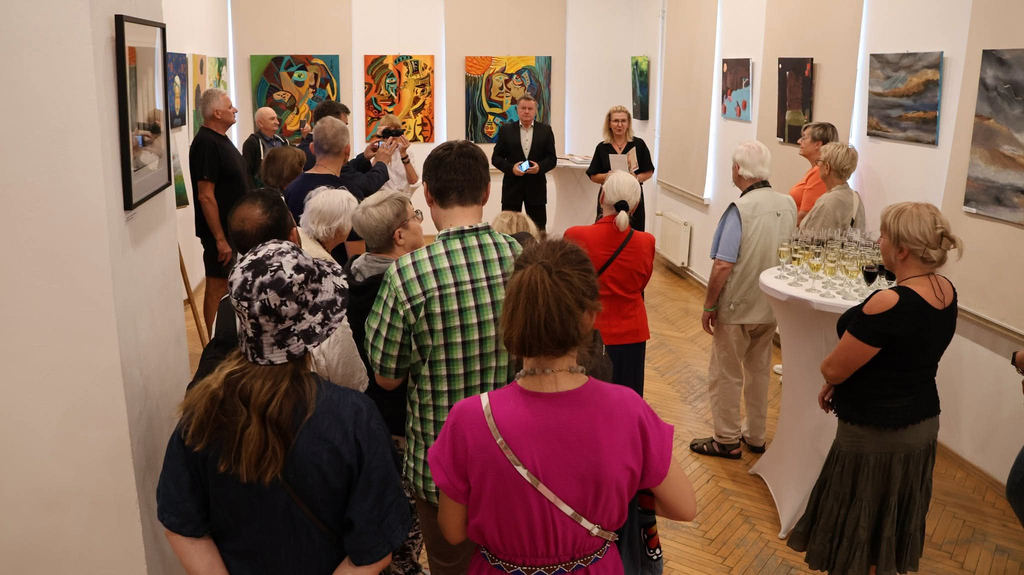
Dawlat’s abstract work examines migration, memory, homeland, and the emotional experience of living between cultures. Inspired by memories of Kurdistan and elements of traditional Kurdish architecture, her paintings incorporate images of homes, doors, patterns, and landscapes to explore the meaning of belonging after years abroad.
For Dawlat, art offers a way to connect personal experience with a broader Kurdish story. Her work reflects the experiences of many members of the Kurdish diaspora whose lives span multiple countries, languages, and cultural environments.
Together, these projects demonstrate the many ways Kurdish culture continues to evolve while remaining rooted in memory and tradition. From historic clothing reimagined on an Erbil runway, to traditional crafts and music displayed in Damascus, to paintings exploring migration and identity in Europe, Kurdish artists are ensuring that cultural heritage remains visible, dynamic, and connected to new generations.
Through fashion, visual art, music, and craftsmanship, Kurdish cultural expression continues to cross borders while preserving the histories and traditions that shape Kurdish identity.