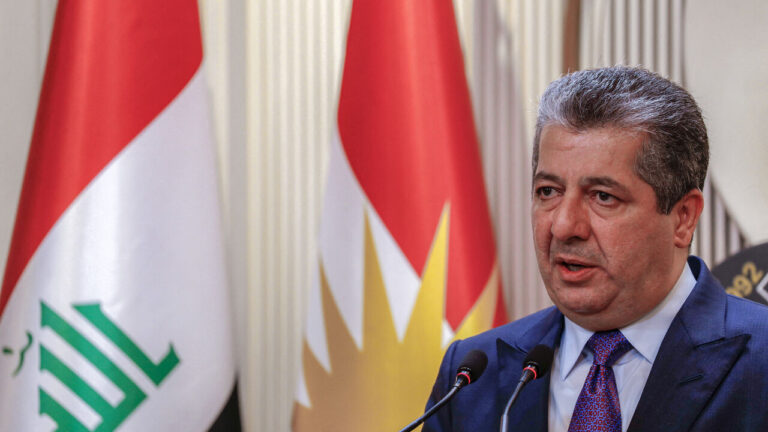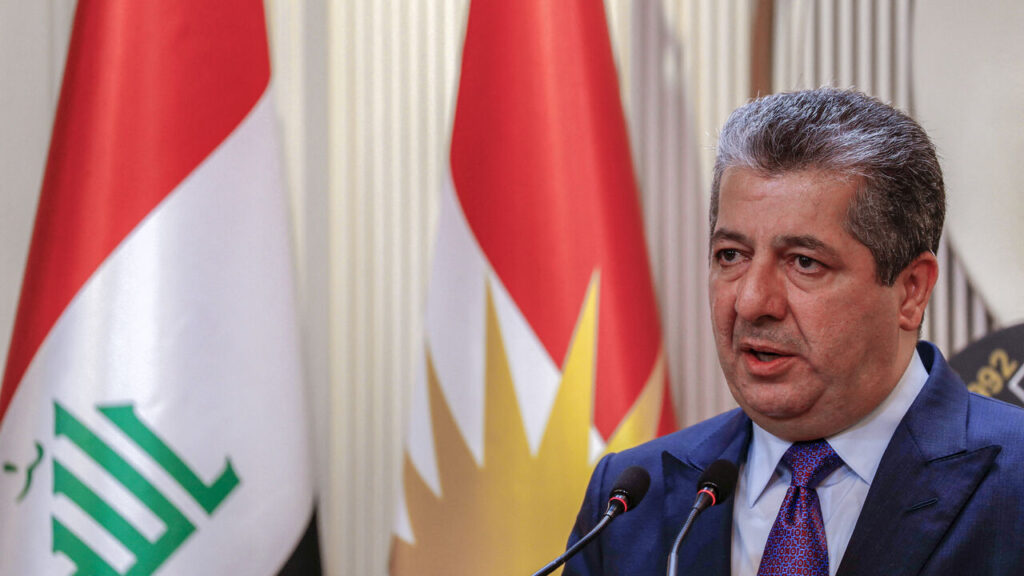

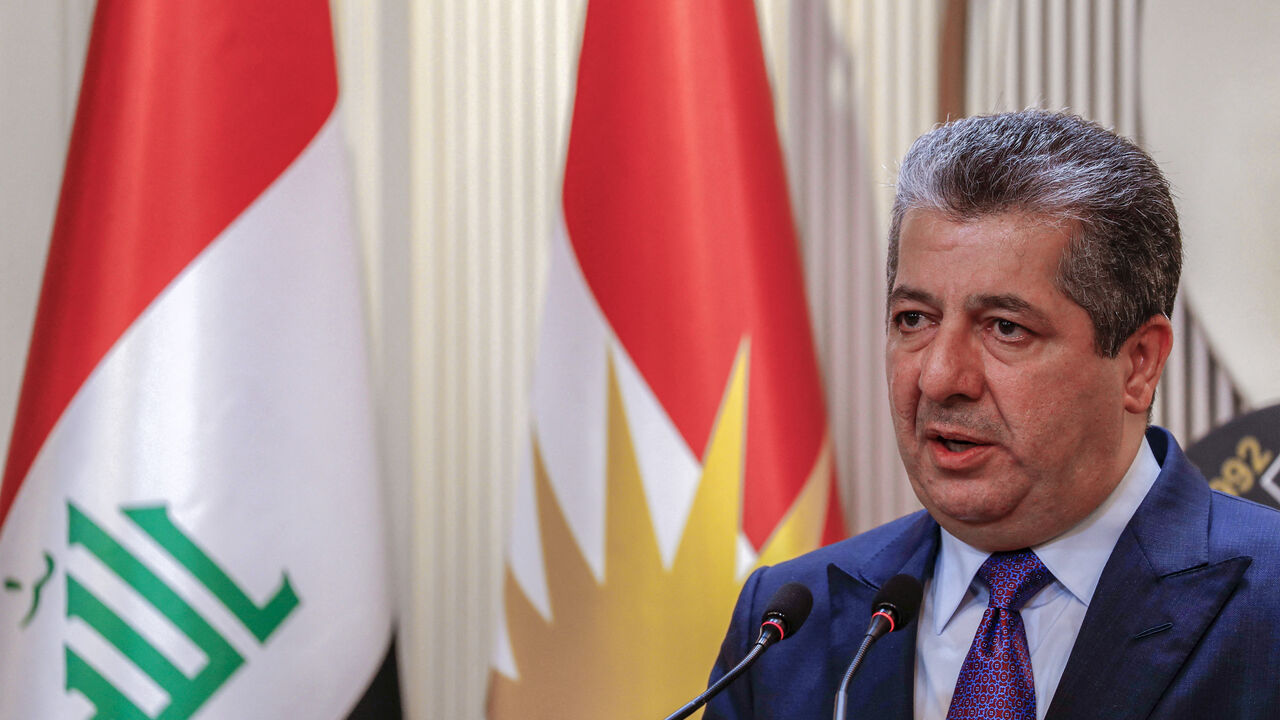
Kurdistan Region Prime Minister Masrour Barzani addressed the Kurdistan Region’s security, relations with the United States, economic development, and regional cooperation in an August 19 interview with Al-Monitor.
Against the backdrop of continued regional tensions and a changing U.S. security presence in Iraq, Prime Minister Barzani emphasized the importance of strengthening the Kurdistan Region’s defensive capabilities while deepening its broader political and economic partnership with the United States.
Strengthening Security and Defensive Capabilities
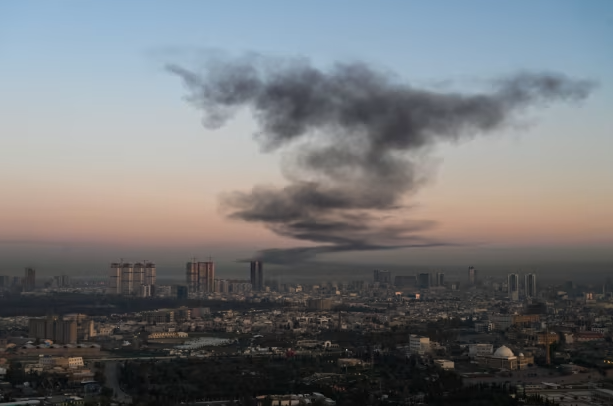
Prime Minister Barzani reiterated that the Kurdistan Region has not sought involvement in regional conflicts and remains committed to protecting its people and territory. He stressed the importance of ensuring that the Region has the capabilities necessary to defend its population, military forces, and critical civilian and economic infrastructure.
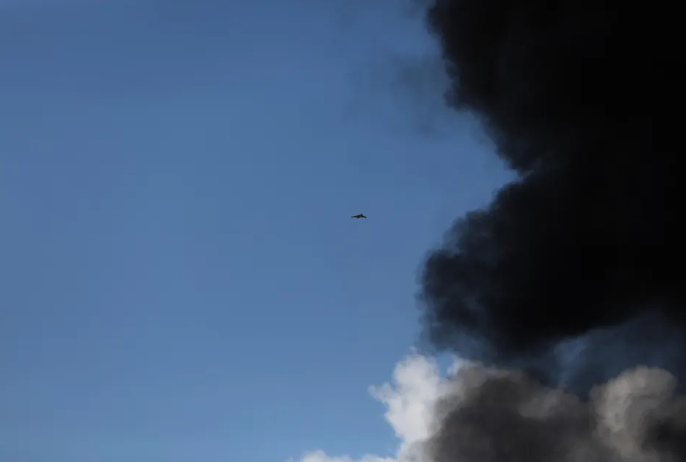
With changes anticipated in the U.S. military presence and air defense posture in Iraq, the Prime Minister emphasized the importance of avoiding security gaps and strengthening the Region’s capacity to respond to emerging threats. He highlighted the need for air defense, early-warning, and counter-drone capabilities and noted that discussions with the United States on these issues are ongoing.
A Broader U.S.-Kurdistan Partnership
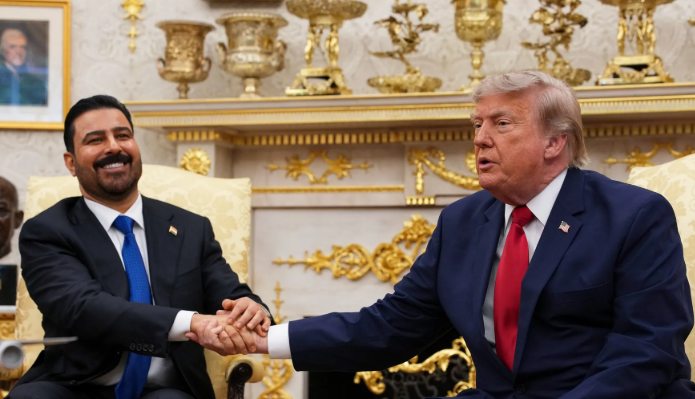
Prime Minister Barzani also emphasized that the U.S.-Kurdistan relationship should continue to evolve beyond traditional security cooperation, with greater emphasis on political engagement, trade, and investment.
He highlighted the growing interest of American companies in the Kurdistan Region, particularly in energy, agriculture, infrastructure, and technology. The Prime Minister stressed that economic cooperation can contribute to long-term stability by creating jobs, expanding trade, and strengthening connections among countries and communities across the region.
He also emphasized the importance of maintaining a secure and predictable environment for businesses and investors, noting that stability and economic development are closely interconnected.
Supporting a Stable and Sovereign Iraq
The Prime Minister expressed support for efforts by the federal government to strengthen state institutions, uphold the rule of law, combat corruption, and ensure that weapons and security forces remain under state authority.
He described the issue of armed groups operating outside government control as fundamentally an Iraqi matter that should be addressed through national dialogue and in accordance with Iraq’s interests and sovereignty. He also stressed the importance of avoiding further confrontation and ensuring that Iraq remains focused on its own security, stability, and development.
Regional Cooperation and Economic Integration
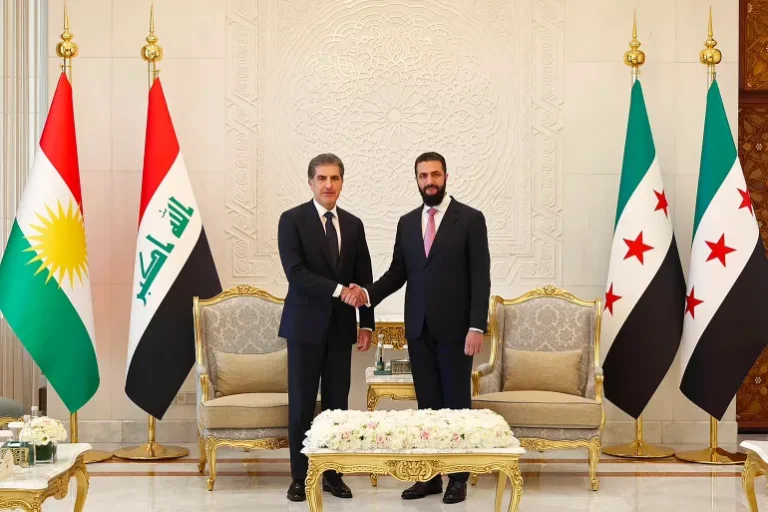
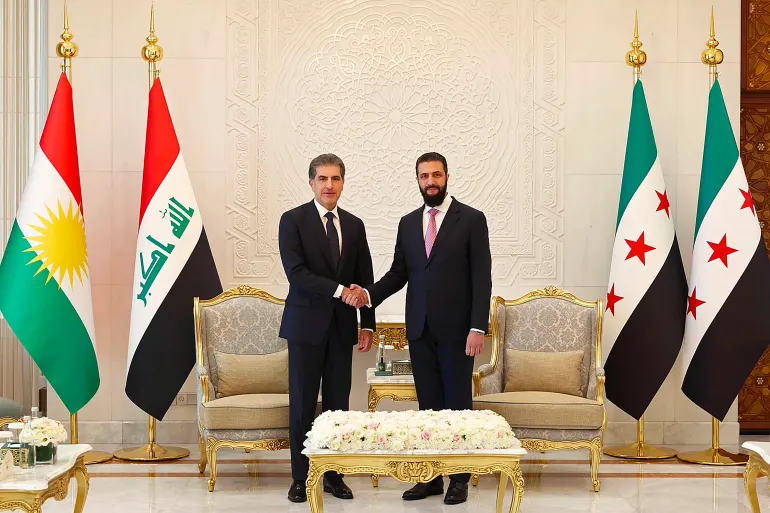
Prime Minister Barzani also discussed the Kurdistan Region’s relationships with Türkiye and Syria and its potential role in promoting greater regional economic cooperation.
He highlighted opportunities to expand trade, strengthen economic ties, and develop energy and transportation connections linking Iraq, the Kurdistan Region, Türkiye, and Syria. He emphasized the potential of economic cooperation to create shared interests and contribute to greater stability across the region.
The Prime Minister reaffirmed that American companies remain welcome in the Kurdistan Region and that stronger commercial ties can become an increasingly important pillar of the long-term U.S.-Kurdistan partnership.
Looking Ahead
Addressing the future of the Kurdistan Region, Prime Minister Barzani called for progress toward forming the next Kurdistan Regional Government and activating the Kurdistan Parliament following the 2024 parliamentary elections. He reiterated his commitment to working with political partners to establish an inclusive government focused on the interests of the people of the Region.
Looking ahead, Prime Minister Barzani emphasized that changes in the U.S. military presence in Iraq should not diminish the broader relationship between the Kurdistan Region and the United States. He called instead for continued cooperation across security, political, and economic areas, with a long-term focus on stability, partnership, and shared prosperity.