
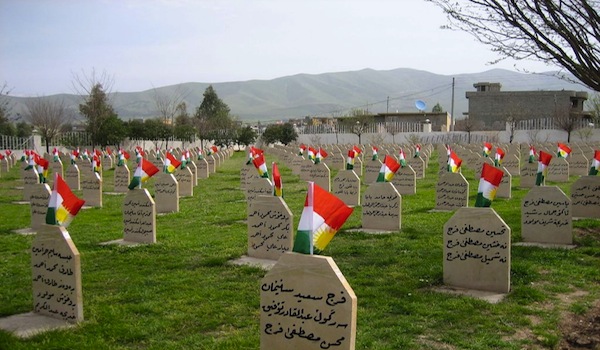
On March 16, 1988, the Kurdish city of Halabja in northern Iraq was subjected to one of the most devastating chemical weapons attacks ever carried out against a civilian population. Iraqi aircraft dropped chemical agents across residential neighborhoods, killing thousands within hours and injuring thousands more.
The attack occurred during the final phase of the Iran–Iraq War, but Halabja was not simply an incidental battlefield event. It became the most widely recognized atrocity of the broader Anfal campaign, a systematic military operation carried out by the Iraqi Ba’athist regime against Kurdish communities across Iraq.
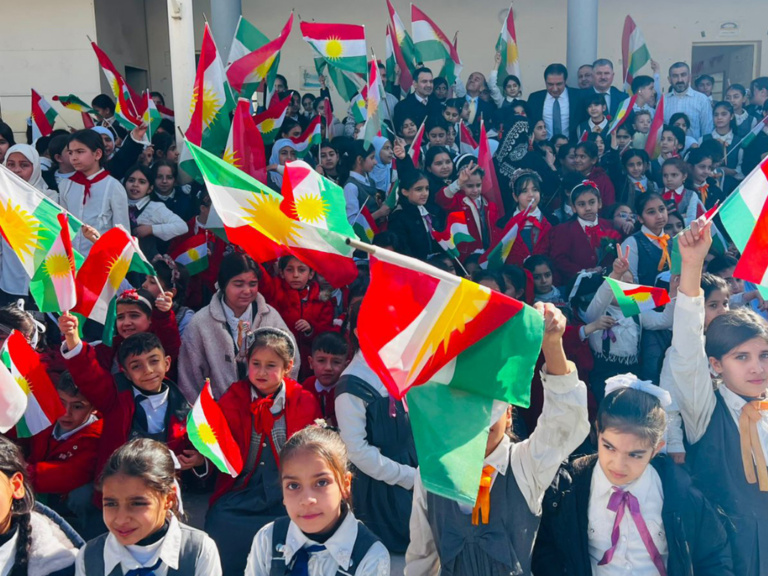
More than three decades later, Halabja remains a defining moment in modern Kurdish history — remembered as both a profound human tragedy and a symbol of Kurdish resilience and survival.
The Road to Halabja
The events leading to Halabja were shaped by a broader campaign of repression against Kurdish communities in northern Iraq.
In March 1987, Iraq’s Revolutionary Command Council issued Decision No. 160, granting Saddam Hussein’s cousin Ali Hassan al-Majid sweeping authority over northern Iraq, including the Kurdistan Region. As head of the Ba’ath Party’s Northern Bureau, al-Majid was given control over military, intelligence, and security institutions. This decree effectively militarized governance across the Kurdish region and laid the groundwork for the policies that followed.
Tensions escalated in May 1987, when residents of Halabja held peaceful demonstrations protesting the forced deportation of nearby Kurdish villages. Iraqi security forces opened fire on demonstrators, killing and injuring civilians, including women and children.
The regime responded with further repression. The Kani Ashqan neighborhood of Halabja was systematically destroyed between May 13 and May 20, 1987. Approximately 400 homes were demolished, residents were detained, and some reports indicate detainees were buried alive during mass arrests.
These actions foreshadowed the broader Anfal campaign, which escalated across Iraqi Kurdistan during 1987–1988. Villages were razed, civilians were forcibly displaced, and chemical weapons began appearing in smaller attacks across the region.
The Chemical Attack on Halabja
In mid-March 1988, Halabja became a focal point of fighting along the Iran–Iraq frontier. Iranian forces and Kurdish peshmerga had advanced into the area, placing Iraqi military positions under pressure.
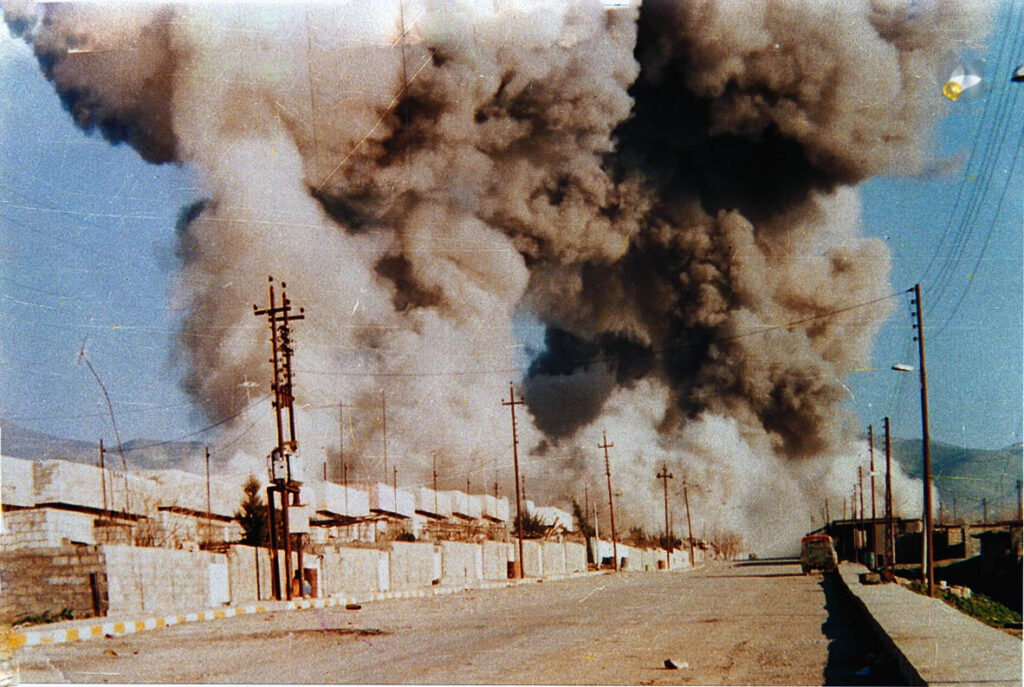
On the morning of March 16, 1988, Iraqi forces began conventional bombardment of the city using artillery and aircraft. By the afternoon, the attack escalated dramatically.
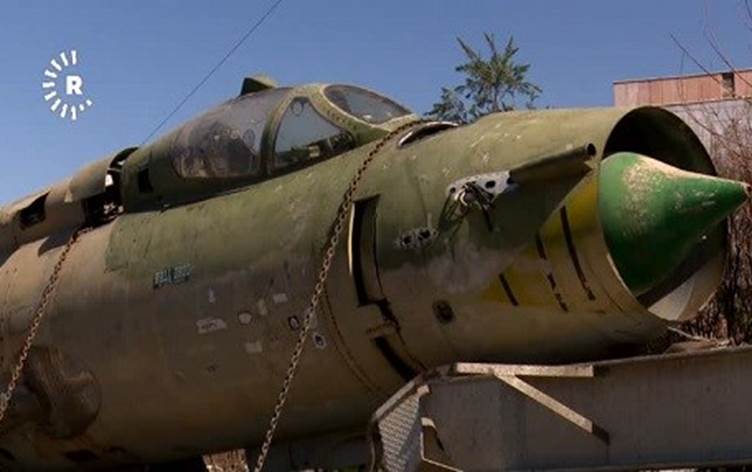
Iraqi aircraft released chemical weapons across civilian neighborhoods. Witnesses reported unusual odors followed by severe symptoms including blindness, respiratory distress, skin blistering, and neurological collapse.
Many residents had taken shelter in basements to escape the earlier bombardment. These enclosed spaces became deadly traps as heavier-than-air chemical agents accumulated. By evening, mass casualties were visible across streets, homes, and vehicles throughout the city.
Estimates indicate that 3,200–5,000 people were killed and 7,000–10,000 were injured within hours. Entire families were found together where they had attempted to shelter or flee. Survivors described scenes of widespread devastation, with animals collapsing in streets and birds falling from the sky.
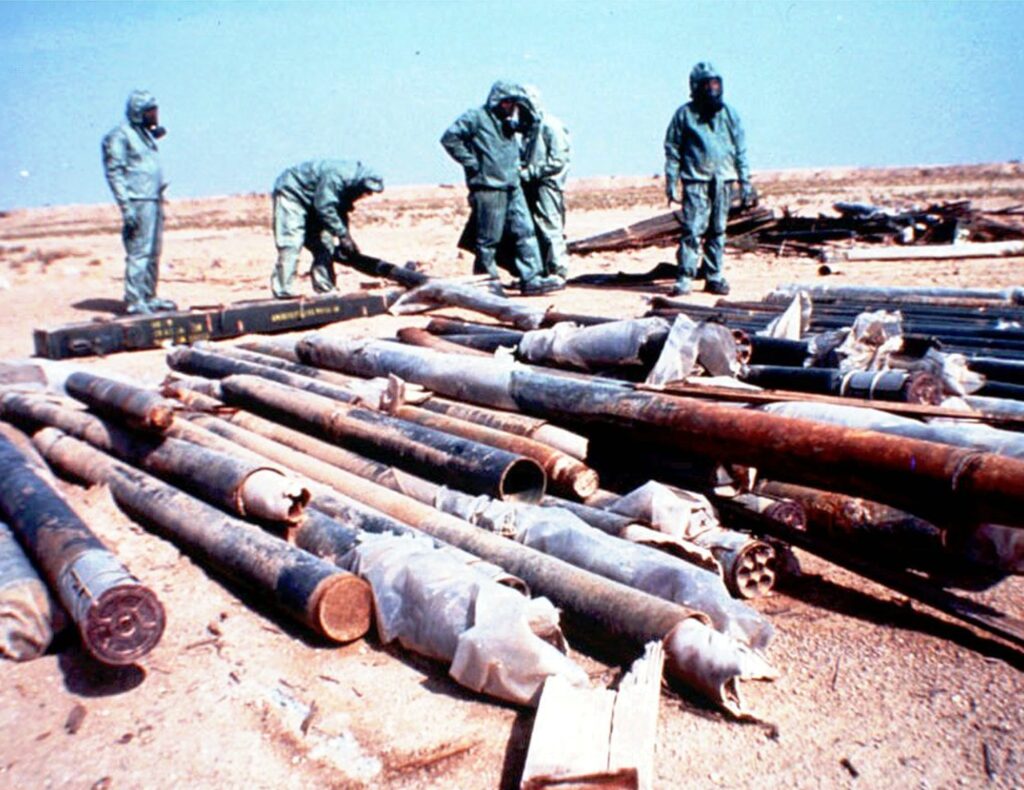
Medical investigations concluded that multiple chemical agents were used, including sulfur mustard (mustard gas) and at least one nerve agent. These substances caused overlapping symptoms such as blistering skin injuries, severe eye damage, respiratory failure, and neurological collapse, producing a deadly chemical environment across the city.
Aftermath and Lasting Consequences
The human impact of the Halabja attack did not end in 1988. Survivors continue to experience long-term physical and psychological consequences decades later.
Many suffer from chronic respiratory illness, cardiopulmonary disease, and long-term functional impairments. Studies have also documented higher rates of cancer, infertility, miscarriages, and congenital abnormalities among exposed populations. Psychological trauma, including post-traumatic stress disorder, depression, and anxiety, remains widespread among survivors and their families.
The international response to the attack at the time was limited and politically constrained. During the Cold War and the Iran–Iraq War, Iraq was viewed by several Western governments as a strategic counterweight to Iran. As a result, condemnation of the Iraqi regime was cautious and delayed.
Although United Nations investigators confirmed the use of chemical weapons, international responses largely treated the attack within the broader wartime context rather than confronting Iraq’s use of chemical weapons against its own civilian population. This muted reaction allowed the Anfal campaign to continue in the months that followed.
Justice, Memory, and Historical Significance
Following the 2003 invasion of Iraq, members of Saddam Hussein’s regime were brought before the Iraqi Special Tribunal. Saddam himself was executed in 2006 after being convicted for the Dujail massacre, before a full trial related to Halabja could be completed.
However, Ali Hassan al-Majid, widely known as “Chemical Ali,” was later convicted for crimes against humanity and genocide related to the Anfal campaign and the Halabja attack. He was executed in 2010.
That same year, Iraq’s Supreme Criminal Tribunal formally recognized the Halabja chemical attack as an act of genocide, marking a major legal milestone in acknowledging the crime.
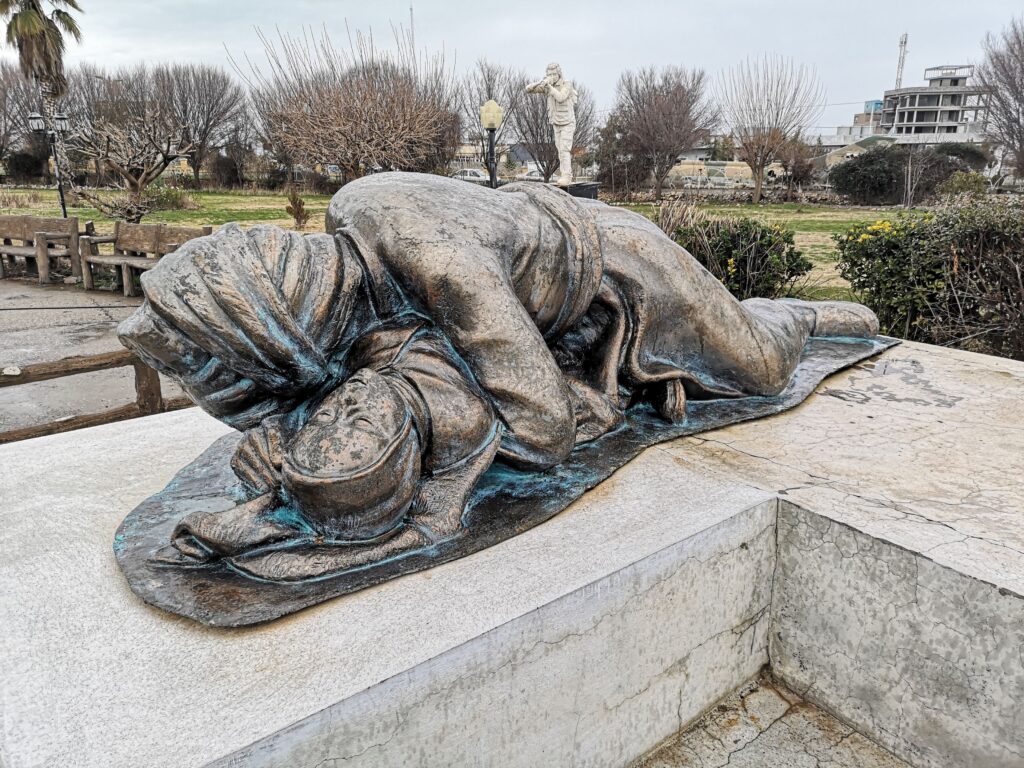
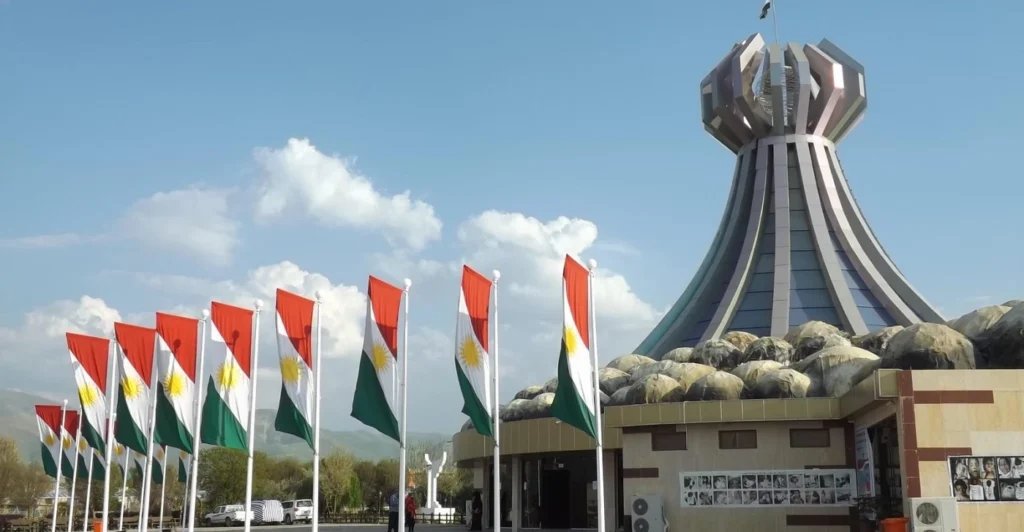
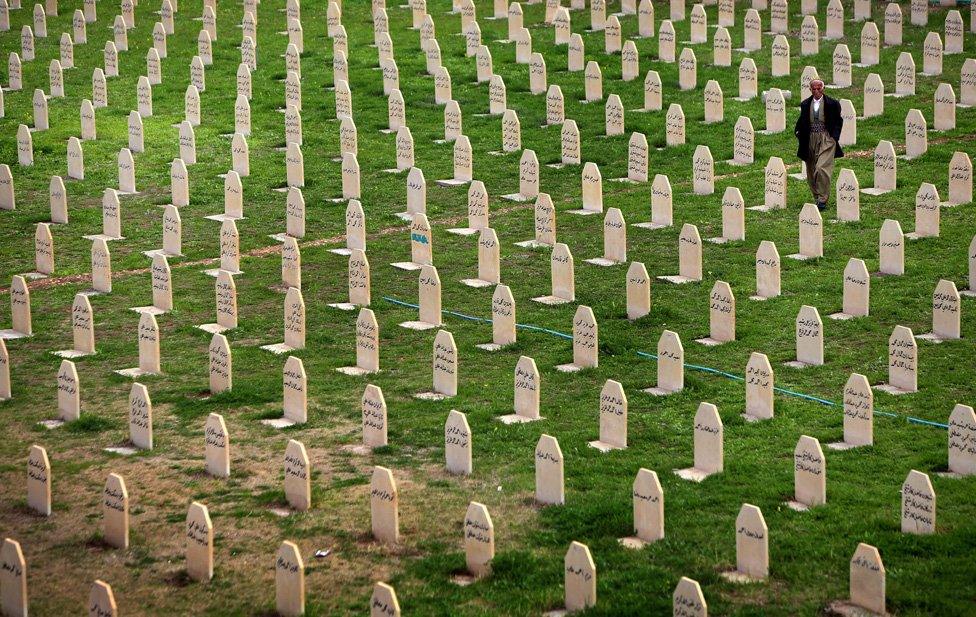
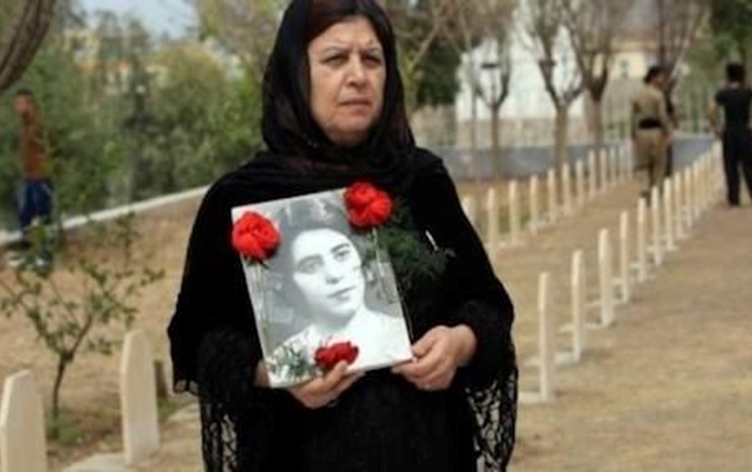
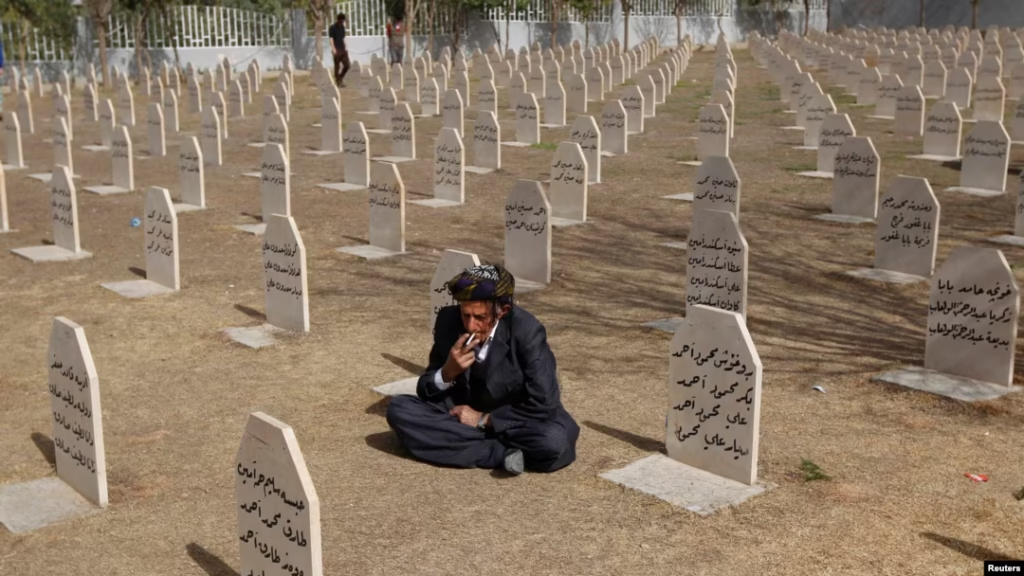
In the years since, Halabja has become both a reconstructed city and a memorial space. The Halabja Monument and Peace Museum commemorates the victims, while the city itself stands as a symbol of Kurdish survival.
Today, Halabja is widely recognized as the deadliest chemical weapons attack ever directed at a civilian population. It remains a central episode in the broader Anfal genocide, which targeted Kurdish communities through mass displacement, village destruction, and systematic violence.
For the Kurdish people, Halabja represents both immense loss and enduring resilience. For the international community, it stands as a powerful reminder of the dangers of delayed accountability and the importance of protecting civilians from weapons of mass destruction.
Remember Halabja.