
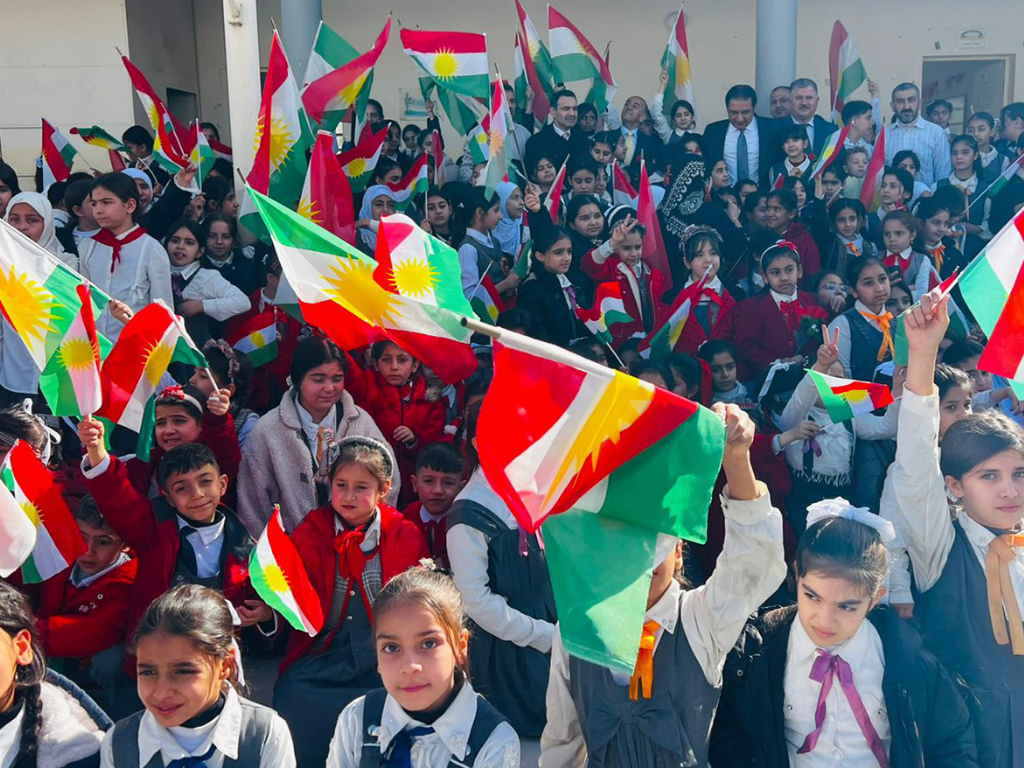
February in the Kurdistan Region has been marked by powerful expressions of cultural pride, linguistic heritage, and artistic resilience. From International Mother Language Day to international art exhibitions celebrating Kurdish women, the month highlighted the enduring strength of identity and creativity across Kurdistan and its diaspora.
International Mother Language Day: Preserving Identity Through Language
On February 21, the Kurdistan Region joined the global community in observing International Mother Language Day, recognized by UNESCO to promote linguistic and cultural diversity.
Leaders across the political spectrum reaffirmed that the Kurdish language remains a cornerstone of identity, unity, and coexistence.
Kurdistan Democratic Party President, H.E. Masoud Barzani described protecting the mother language as a national duty, foundational to authenticity, awareness, and solidarity.
Kurdistan Region President H.E. Nechirvan Barzani described the Region as a “cradle of diversity,” emphasizing that preserving the mother tongue means safeguarding Kurdistan’s rich identity and history. He reiterated support not only for Kurdish, but also for Turkmen, Syriac, Armenian, and other languages spoken across the Region.
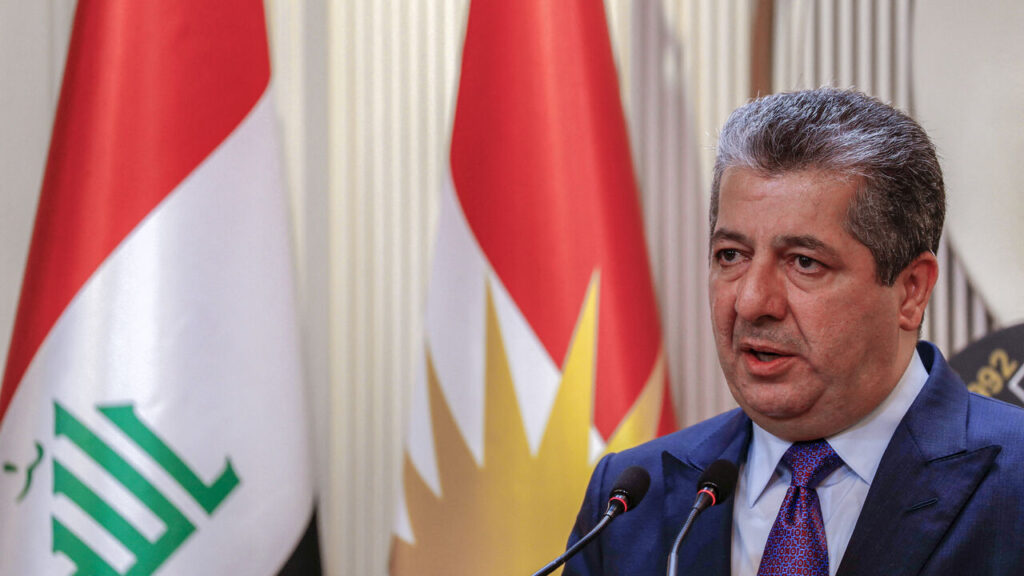
Prime Minister H.E. Masrour Barzani noted that the Kurdistan Region remains a place where communities are free to speak and learn in their mother tongue.
For Kurdish communities across the region and the diaspora, language continues to serve as both inheritance and affirmation.
Cultural Expression and Women’s Resilience
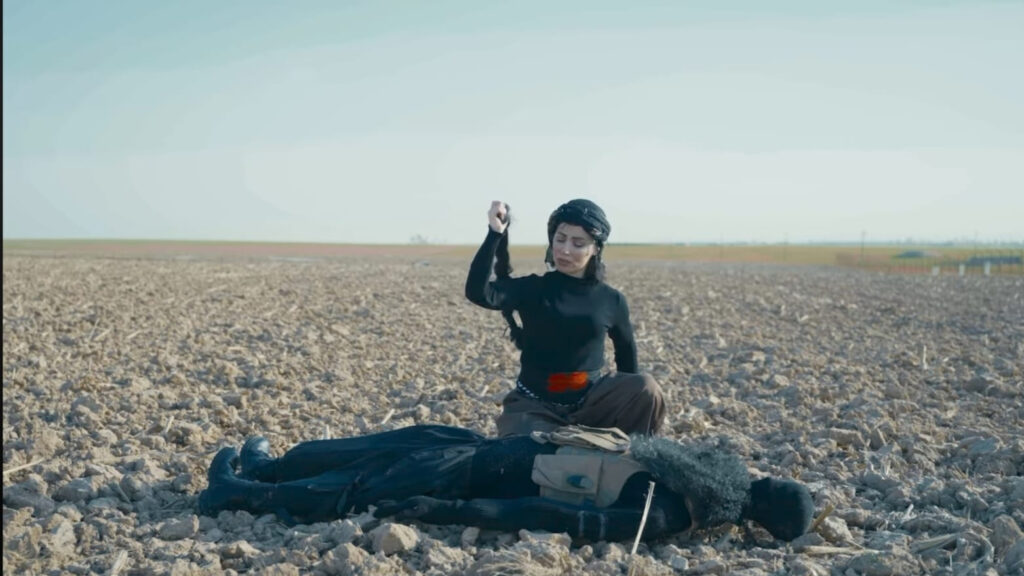
February also witnessed renewed artistic focus on Kurdish women’s resilience and cultural symbolism.
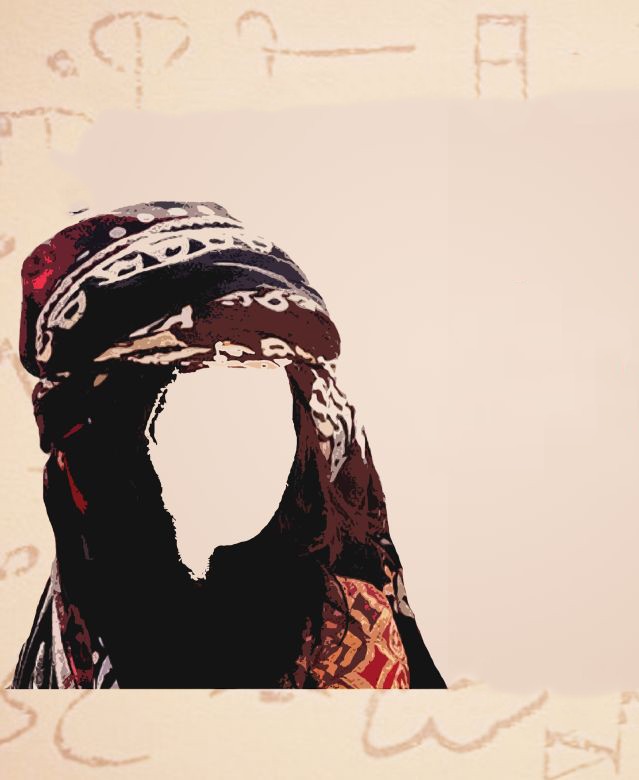
The braid, kezi in Kurdish, has long represented dignity, continuity, and identity. In recent weeks, artists and cultural figures across the Region have reinterpreted this symbol as a celebration of women’s strength and endurance, reinforcing the role of cultural expression in moments of regional tension.
Through visual art, installations, and public engagement, Kurdish women’s voices and stories have been elevated across platforms, transforming tradition into contemporary cultural affirmation.
Kurdish Art on the International Stage: “Natural Region” in Germany
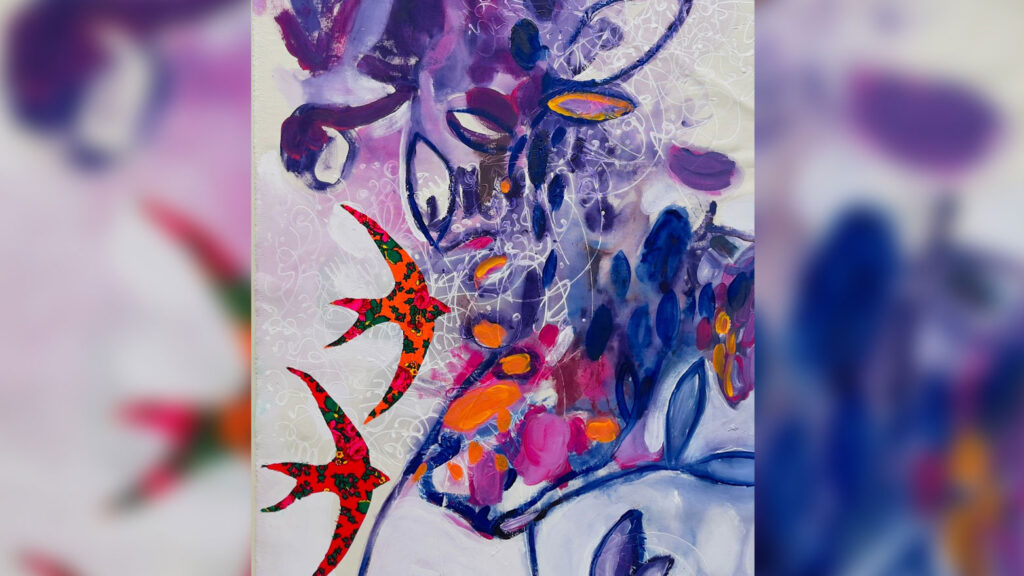
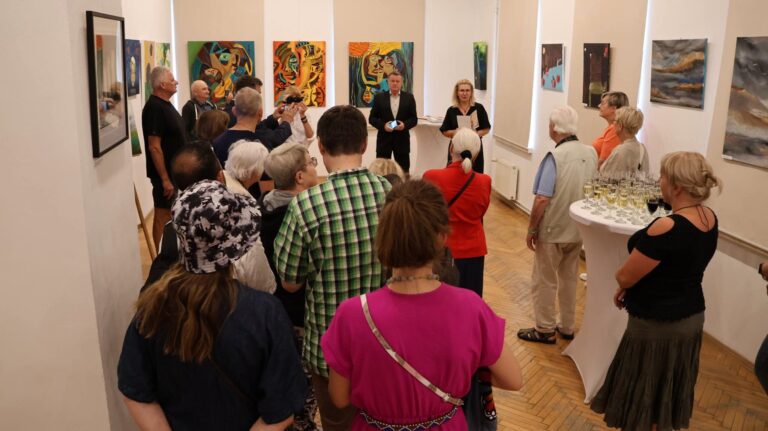
Extending February’s cultural momentum beyond the Region, Kurdish artist Bahadin is set to open a month-long exhibition titled Natural Region in Germersheim, Germany on February 28.
The exhibition centers on the beauty and resilience of Kurdish women, expressed through vibrant butterfly motifs symbolizing freedom and transformation. The works feature bilingual contributions in Kurdish and German, bridging homeland and diaspora through shared artistic language.
Describing the exhibition, Bahadin called it an artistic tribute to Kurdish women across generations. The butterfly, colorful yet searching for open skies, represents freedom, dignity, and the enduring pursuit of belonging.
Originally from Slemani and now based in Germany, Bahadin’s work blends symbolism, expressive color, and personal narrative with broader themes of identity and resilience.
A Month of Cultural Continuity
From classrooms celebrating mother tongues to galleries abroad showcasing Kurdish art, February has underscored the cultural vitality of the Kurdistan Region and its global community.
Language, art, and women’s resilience emerged as defining themes, reminders that identity is preserved not only through policy, but through expression, creativity, and collective memory.
As February draws to a close, the Kurdistan Region continues to affirm that safeguarding language and celebrating culture remain central to unity, dignity, and a shared future.