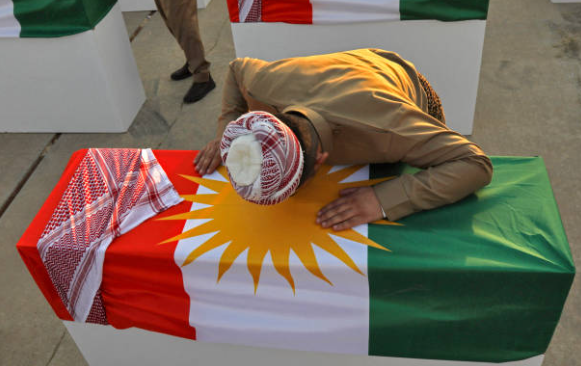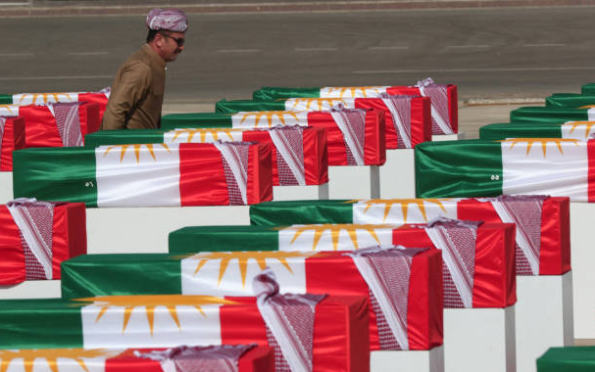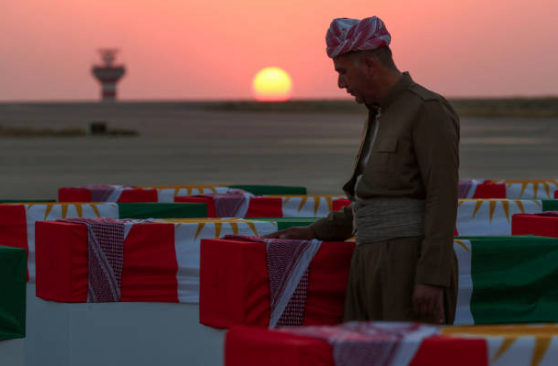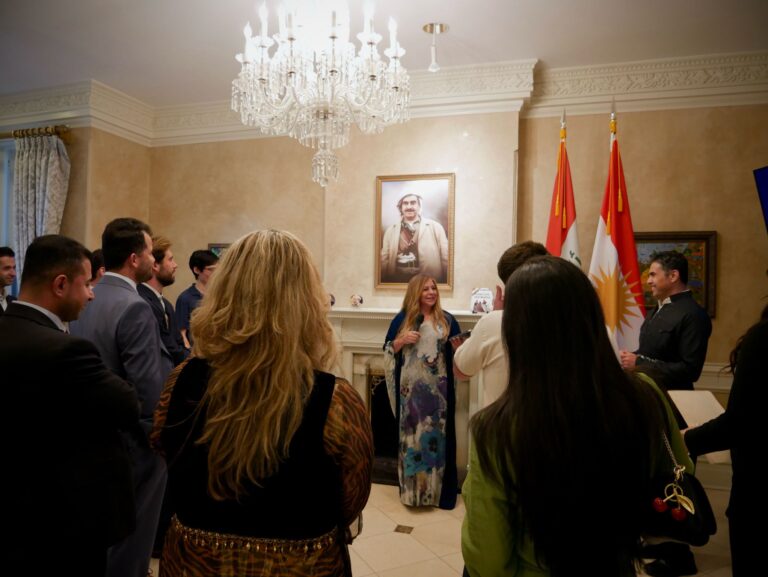

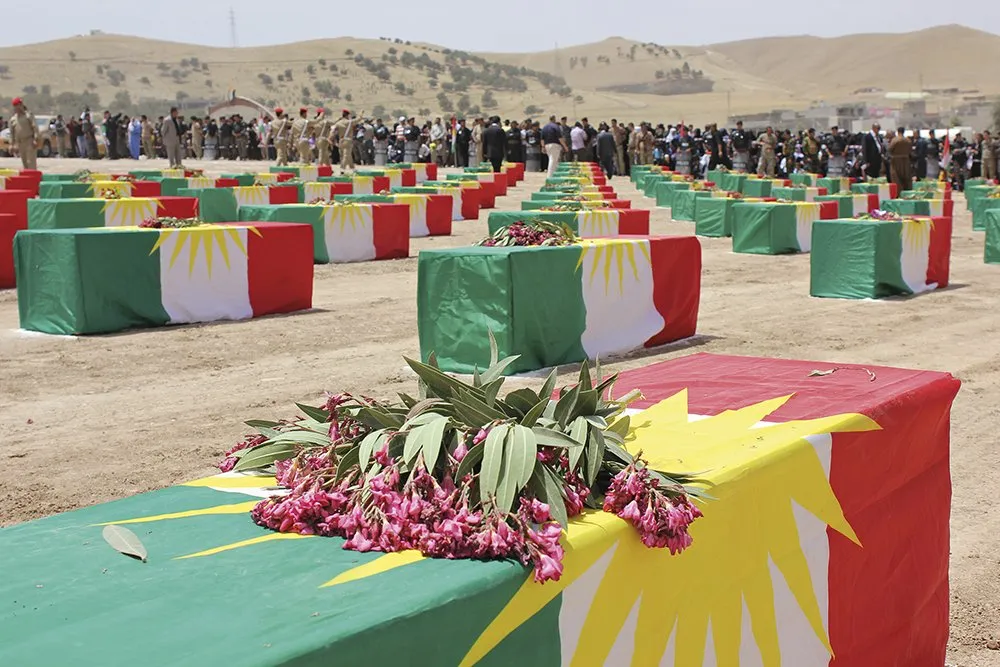
On April 14, the Kurdistan Regional Government Representation in the United States commemorates the victims of the Anfal Genocide, one of the most devastating chapters in modern Kurdish history. This year marks the 38th anniversary of the systematic campaign carried out by the former Iraqi regime against the Kurdish people between 1987 and 1988.
What Was the Anfal Campaign?
The Anfal campaign was a coordinated military operation conducted by the former Iraqi regime during the final stages of the Iran-Iraq War. Carried out between February and September 1988, it targeted Kurdish populations across northern Iraq through a series of organized military phases.
While presented as a counterinsurgency effort, the campaign extended far beyond military objectives. Entire civilian populations were deliberately targeted, and Kurdish communities were systematically dismantled through a combination of ground offensives, aerial bombardment, chemical attacks, and forced displacement.
The Eight Phases of Anfal
The Anfal campaign unfolded in eight distinct phases, each targeting different regions and communities:
- First Phase (February 1988):
Focused on the Sargallu and Bargallu areas in the Dukan region. This phase marked the beginning of coordinated military assaults, including artillery strikes and the early use of chemical weapons. - Second Phase (March–April 1988):
Expanded into the Qaradagh region. Villages were attacked, populations displaced, and further chemical weapons were deployed. - Third Phase (April 1988):
Targeted the Garmian region, including Kalar, Kifri, and surrounding areas. Large numbers of civilians were detained, separated, and disappeared during this phase. - Fourth Phase (May 1988):
Extended into areas along the Lesser Zab River, including parts of Erbil and Kirkuk provinces. Widespread arrests and executions were reported. - Fifth Phase (May–June 1988):
Focused on mountainous regions such as Rawanduz and Shaqlawa. Sustained military offensives and chemical attacks were used to depopulate these areas. - Sixth Phase (June–July 1988):
Continued operations in similar northern regions, with intensified efforts to eliminate remaining communities and resistance. - Seventh Phase (July–August 1988):
Further assaults targeted remaining Kurdish strongholds, with increased use of coordinated ground and aerial attacks. - Eighth Phase (August–September 1988):
The final and most extensive phase, focusing on the Badinan region in northern Iraq. Tens of thousands of civilians were detained, with many men executed and others transferred to camps.
Together, these phases formed a systematic campaign that resulted in the widespread destruction of Kurdish life across northern Iraq.
What Happened During Anfal?
The consequences of the Anfal campaign were catastrophic. More than 182,000 Kurds, many of them women, children, and the elderly, were killed or disappeared. Over 4,000 villages were destroyed, leaving entire regions depopulated and permanently altered.
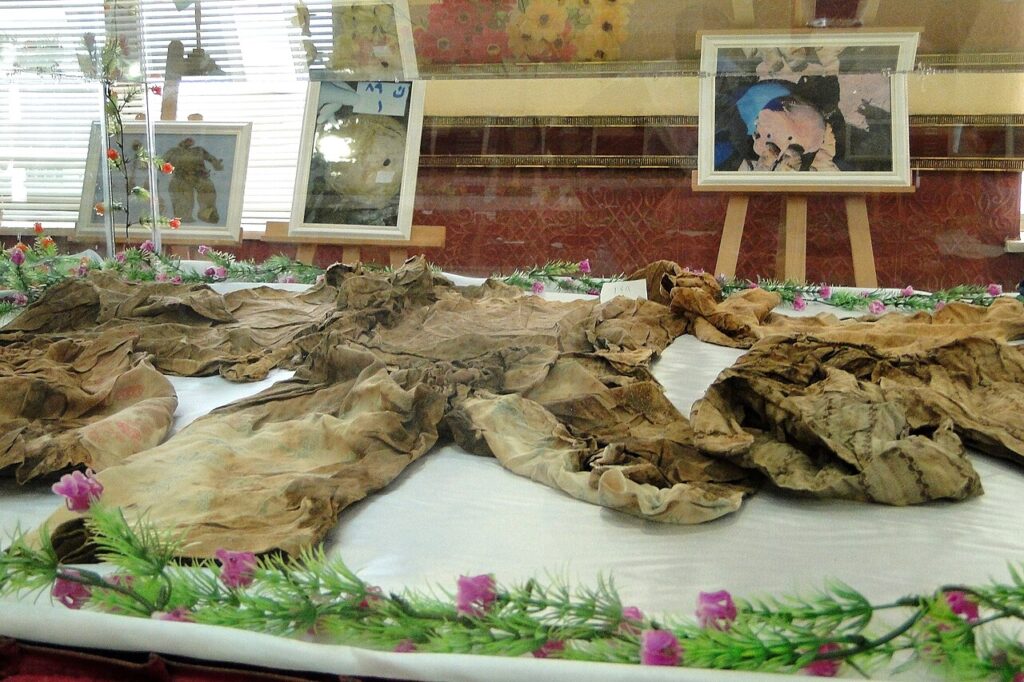
Civilians were subjected to chemical weapons attacks, most notably in Halabja, where thousands lost their lives in a single day. Survivors were often forcibly relocated to detention camps, where families were separated and many were never reunited.
These actions were not isolated incidents, but part of a broader strategy to dismantle Kurdish society and erase its presence in targeted regions.
A Campaign of Genocide
The scale, coordination, and intent behind the Anfal campaign have led many scholars, institutions, and governments to recognize it as genocide.
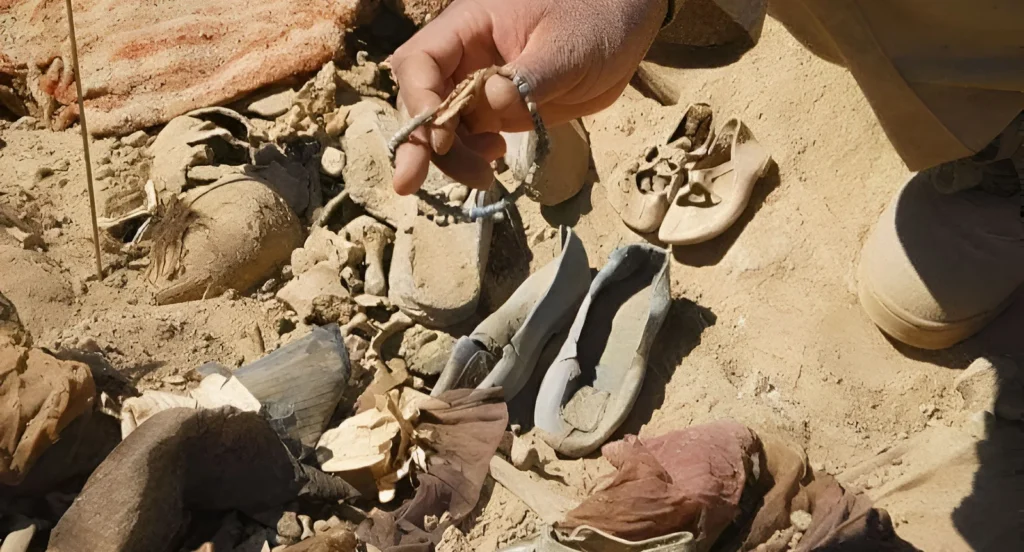
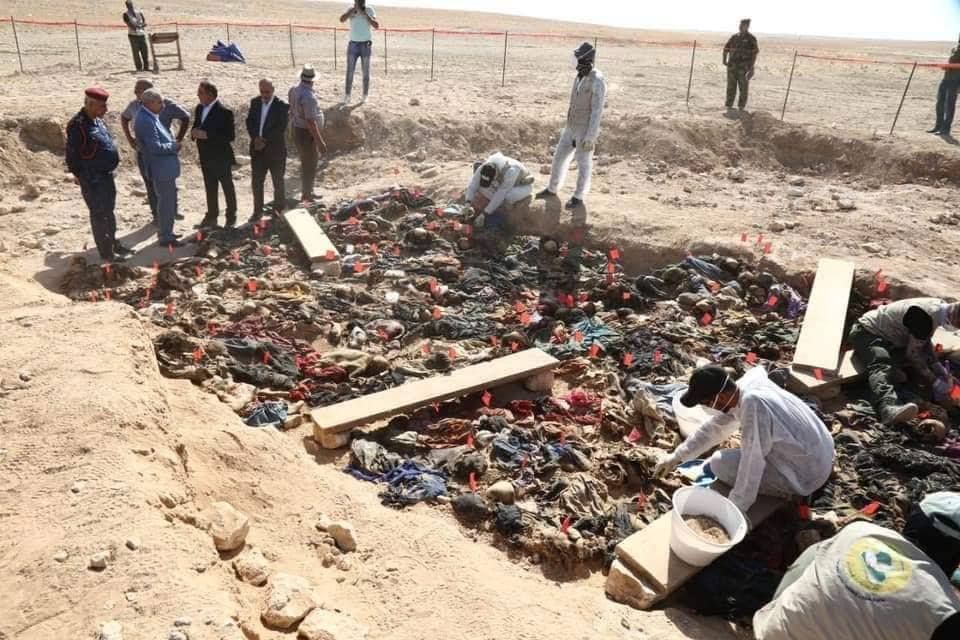
Beyond the immediate loss of life, the campaign sought to eliminate identity, culture, and belonging. Entire generations were lost, and thousands of victims remain in unmarked mass graves. For many families, the search for truth and closure continues to this day.
Recognition and Ongoing Challenges
Since 2007, April 14 has been designated in the Kurdistan Region as a day of remembrance for the victims of Anfal.
While the campaign has been recognized as genocide, significant challenges remain. Many families are still seeking the remains of their loved ones, calling for the identification of mass graves and dignified reburials. Survivors continue to require long-term support, including access to healthcare, education, and social services.
These ongoing efforts reflect the enduring impact of the Anfal campaign and the importance of continued recognition and accountability.
A Day of Remembrance and Responsibility
April 14 is not only a day to remember those who were lost, but also a reminder of the importance of justice, accountability, and recognition.
The legacy of Anfal is one of profound loss, but also of resilience. Survivors and their families continue to preserve memory, seek justice, and contribute to the future of the Kurdistan Region and Iraq.
As we mark this anniversary, we honor the victims and stand with those who continue to carry its legacy. We reaffirm the need to ensure that such atrocities are never repeated and that the dignity and rights of all communities are protected.
The memory of Anfal must not fade, it must continue to guide efforts toward justice, recognition, and lasting peace.