
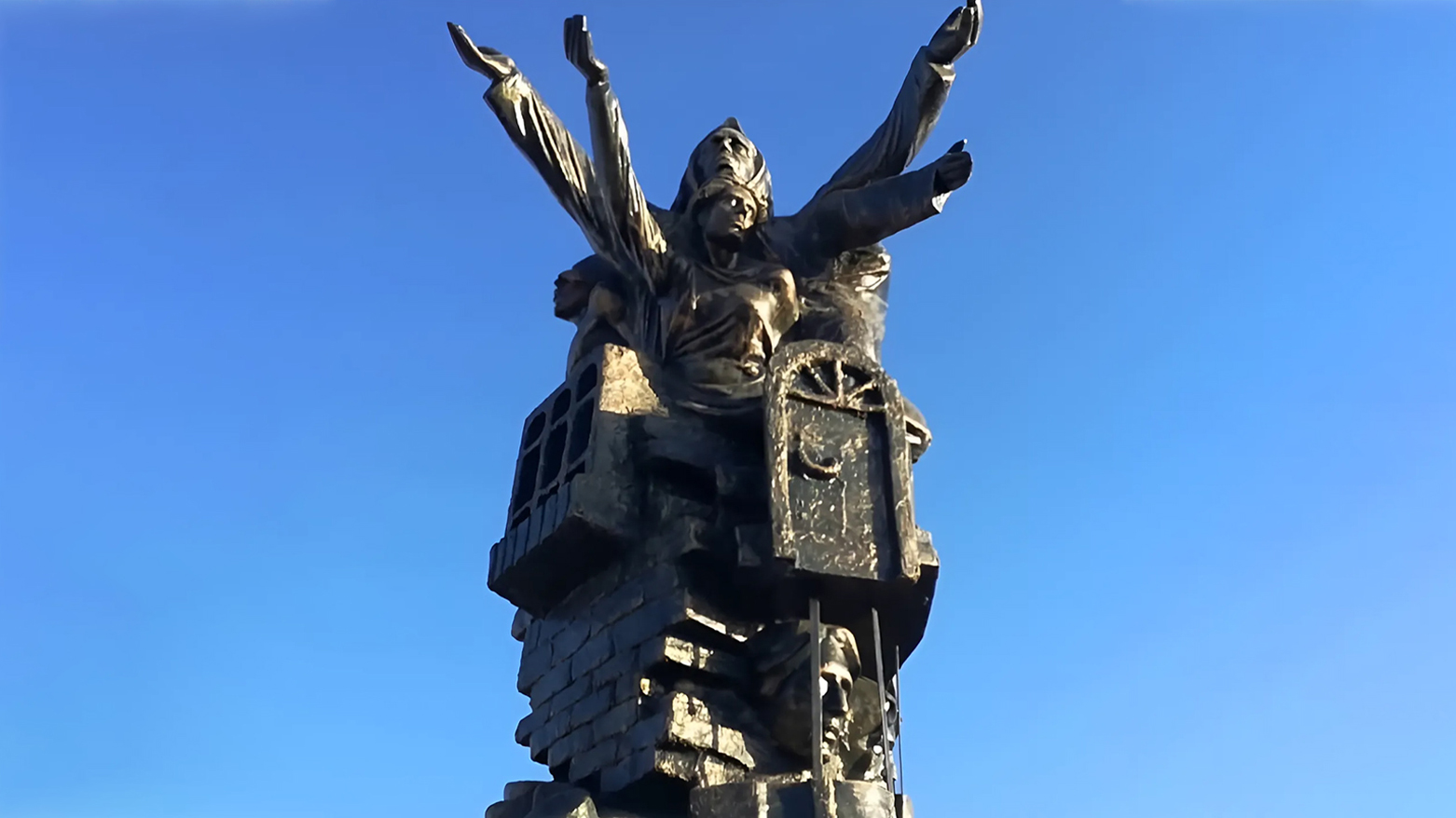
On April 4, the Kurdistan Regional Government Representation in the United States commemorates the victims of the Feyli Kurdish genocide, one of the most devastating and often overlooked tragedies in modern Iraqi history. This year marks the 46th anniversary of the systematic persecution carried out by the former Iraqi regime against the Feyli Kurdish community.
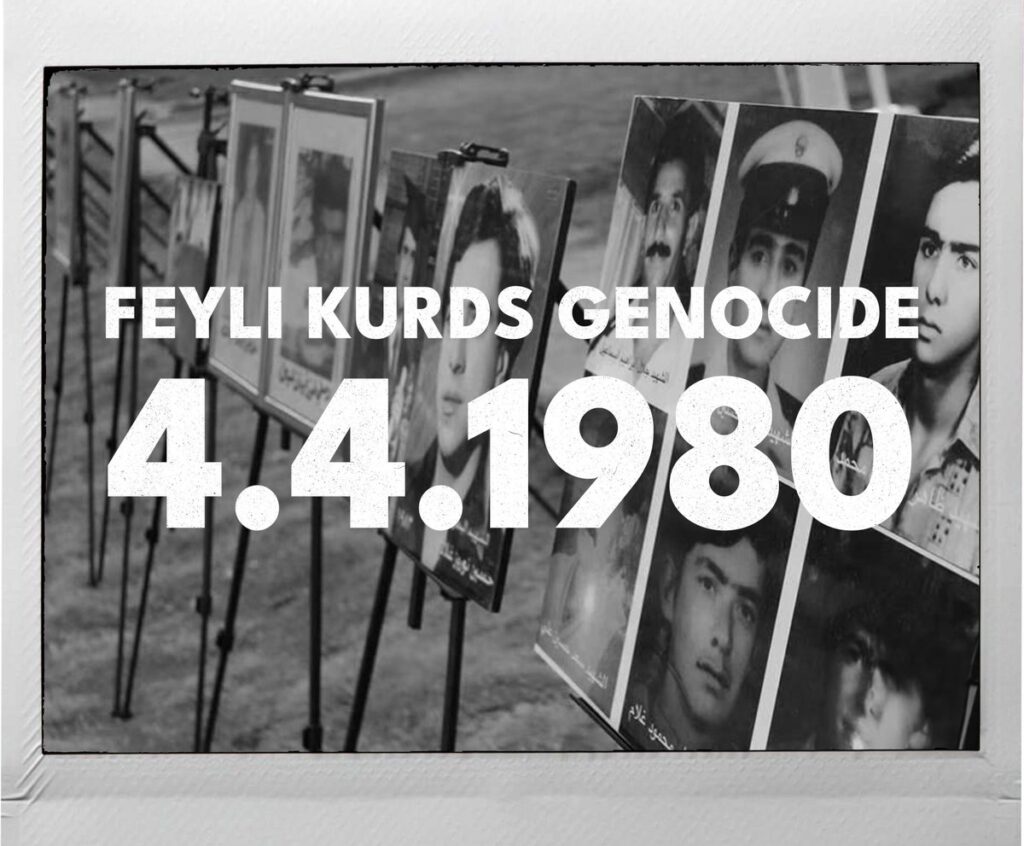
Who Are the Feyli Kurds?
The Feyli Kurds are a distinct Kurdish community, historically concentrated in eastern Iraq, particularly in Baghdad, Khanaqin, Mandali, and surrounding areas along the Iraq-Iran border. Most Feyli Kurds are Shiite Muslims, which set them apart from the majority of Kurds, who are predominantly Sunni.
For generations, Feyli Kurds played an important role in Iraq’s economic, cultural, and political life. Many were prominent merchants, professionals, and active participants in national movements. Despite this deep-rooted presence, they were repeatedly targeted due to a combination of their ethnic identity (Kurdish), religious affiliation (Shiite), and political associations.
What Was Decree No. 666?
A turning point came in 1980, when the Iraqi regime issued Decree No. 666.
This decree allowed the government to strip Iraqi citizenship from individuals deemed to be of “foreign origin.” In practice, it was used to target the Feyli Kurds, falsely labeling them as Iranians, even if their families had lived in Iraq for generations.
Once their citizenship was revoked, Feyli Kurds were no longer legally recognized as Iraqis. This made them vulnerable to expulsion, detention, and the confiscation of their homes, businesses, and personal property.
What Happened to the Feyli Kurds?
Following the decree, the regime launched a widespread campaign of persecution:
- Mass deportations: Between 300,000 and 500,000 Feyli Kurds were forcibly expelled to Iran. Many were taken from their homes, schools, and workplaces with no warning and allowed to bring nothing but the clothes they were wearing.
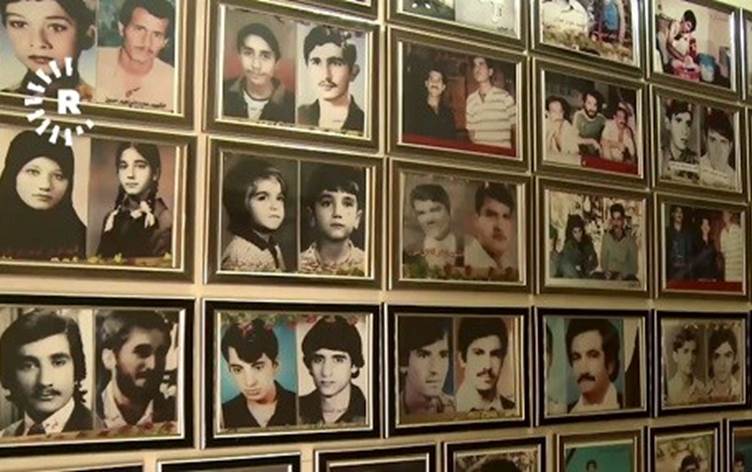
- Family separation and detention: Thousands of men and boys were detained. Many were never seen again.
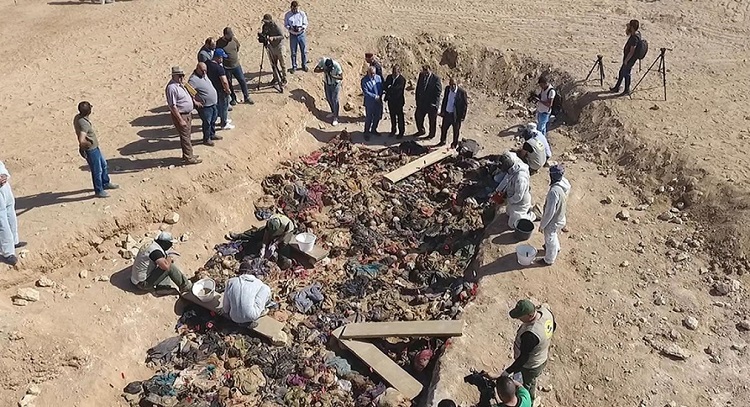
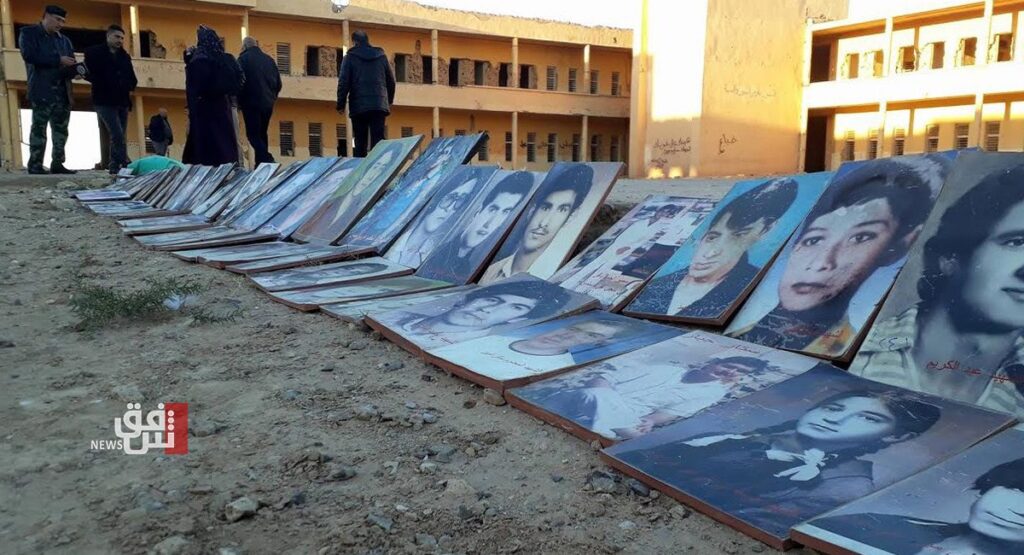
- Disappearances and executions: At least 25,000 Feyli Kurds are believed to have disappeared, with their fate still unknown.
- Confiscation of property: Homes, businesses, and assets were seized, leaving families with nothing.
These actions were part of a broader effort to erase the identity and presence of the Feyli Kurdish community in Iraq.
Recognition and Ongoing Challenges
In 2011, the Iraqi Parliament officially recognized these crimes as genocide, acknowledging the scale and intent of the atrocities committed.
However, more than four decades later, the consequences of this campaign are still felt. Many Feyli Kurds continue to face difficulties in:
- Restoring their citizenship
- Reclaiming confiscated property
- Accessing basic rights and services
For some, displacement and statelessness have persisted across generations, reflecting how the effects of genocide can continue long after the violence itself has ended .
A Day of Remembrance and Responsibility
April 4 is not only a day to remember those who were lost, it is a reminder of the importance of justice, accountability, and recognition.
The story of the Feyli Kurds is one of profound suffering, but also of resilience. Despite decades of displacement and marginalization, the community continues to preserve its identity and contribute to the future of Iraq and the Kurdistan Region.
As we mark this anniversary, we honor the victims and stand with the survivors and their families. We reaffirm the need to ensure that such atrocities are never repeated, and that the rights and dignity of all communities are fully protected.
The memory of the Feyli Kurds must not fade, it must guide continued efforts toward justice and lasting reconciliation.