
Kurdish Heritage Month stands as a powerful recognition of resilience, cultural continuity, and identity. Observed throughout March, it offers an opportunity to honor the rich history and enduring contributions of the Kurdish people, while reflecting on a past shaped by hardship and a future increasingly defined by dialogue and possibility.
As organizations such as the New York Kurdish Cultural Center mark the fifth annual Kurdish Heritage Month, there is growing momentum to formally recognize March as Kurdish Heritage Month and March 21 as Newroz, the Kurdish New Year. Such recognition not only celebrates cultural diversity but affirms the importance of preserving and uplifting Kurdish heritage within the United States and beyond.
A Month of Memory and Meaning
March holds deep historical significance for the Kurdish people. It is a month marked by both celebration and remembrance, where moments of cultural pride exist alongside some of the most painful chapters in Kurdish history.
From the 1970 Iraqi-Kurdish Autonomy Agreement to the 1991 uprising against Saddam Hussein’s regime, March represents key turning points in the Kurdish struggle for recognition and self-determination. At the same time, it is inseparable from tragedy, including the Halabja chemical attack and the broader Anfal Campaign, which remain among the darkest moments in modern Kurdish history.
As noted in research by the Washington Kurdish Institute, March has long been remembered as a “bloody month,” reflecting cycles of violence, displacement, and cultural erasure faced by Kurdish communities over generations . Yet it is precisely this history that underscores the importance of remembrance, and the resilience that defines Kurdish identity today.
Newroz: Renewal, Identity, and Continuity
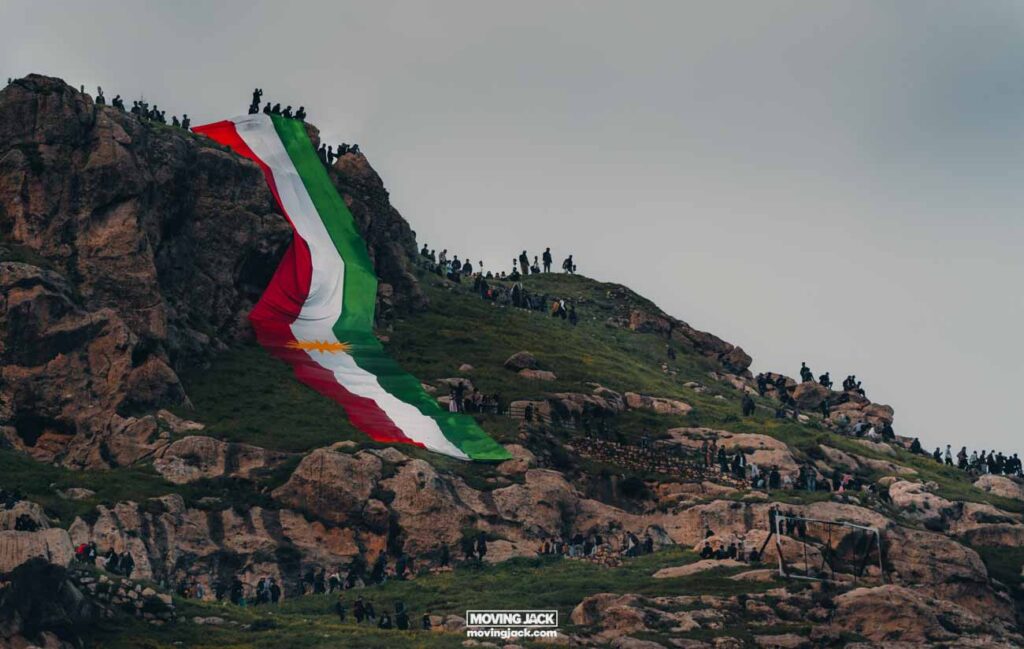
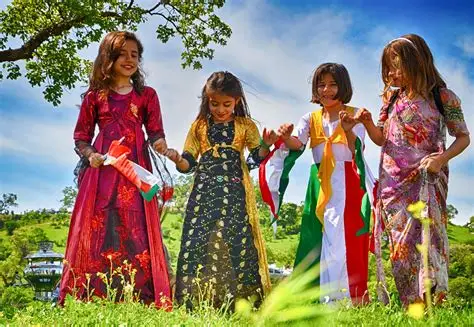
At the heart of Kurdish Heritage Month is Newroz, celebrated annually on March 21. Meaning “new day,” Newroz marks the arrival of spring and symbolizes renewal, resistance, and hope.
For Kurds, Newroz is more than a seasonal celebration. It is a reaffirmation of identity, expressed through music, dance, storytelling, and communal gathering. Across the Kurdistan Region and the global diaspora, Newroz continues to serve as a unifying moment that bridges generations and geographies.
A Living Heritage
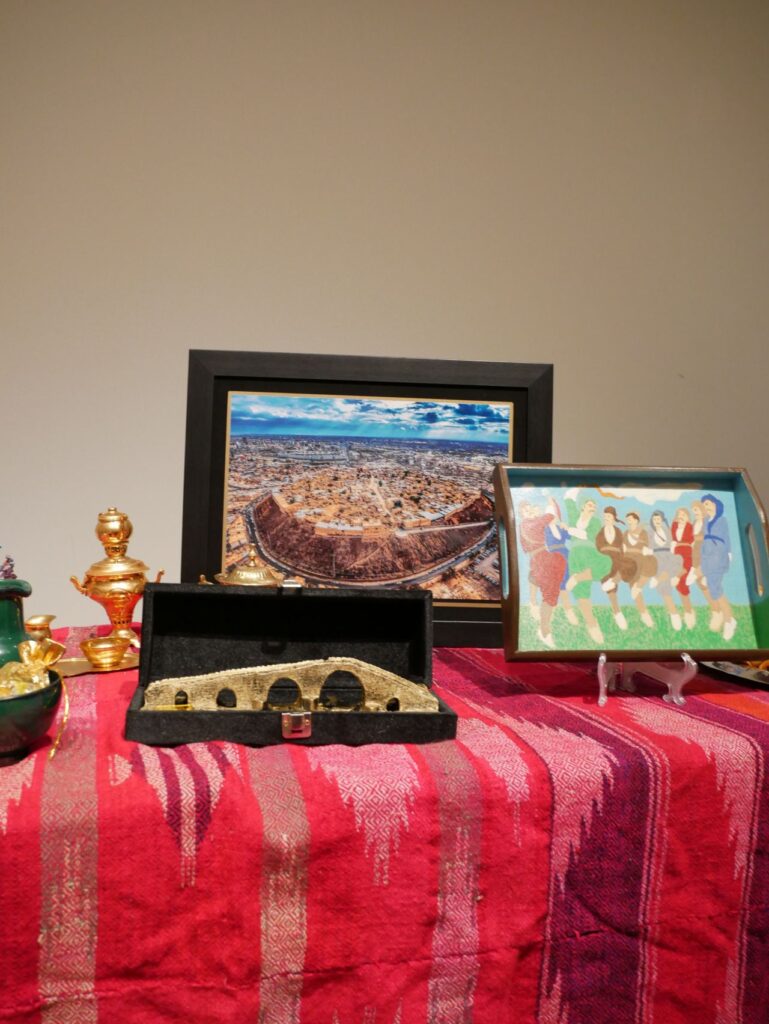
Kurdish Heritage Month is not only about looking back—it is about recognizing a living, evolving culture. From literature and music to craftsmanship, community leadership, and diaspora engagement, Kurdish contributions continue to shape cultural and civic life around the world.
It is also a reminder that heritage is not static. It is carried forward by communities, strengthened through recognition, and sustained through dialogue and inclusion.
Looking Ahead
As Kurdish Heritage Month gains broader recognition, it offers an opportunity for policymakers, institutions, and communities to engage more deeply with Kurdish history and culture.
In a time of regional uncertainty and global transformation, the Kurdish experience, marked by resilience, adaptability, and a persistent pursuit of dignity, offers important lessons. Recognition of Kurdish Heritage Month is not only symbolic; it is a meaningful step toward acknowledging a people whose history and contributions continue to shape the present and the future.